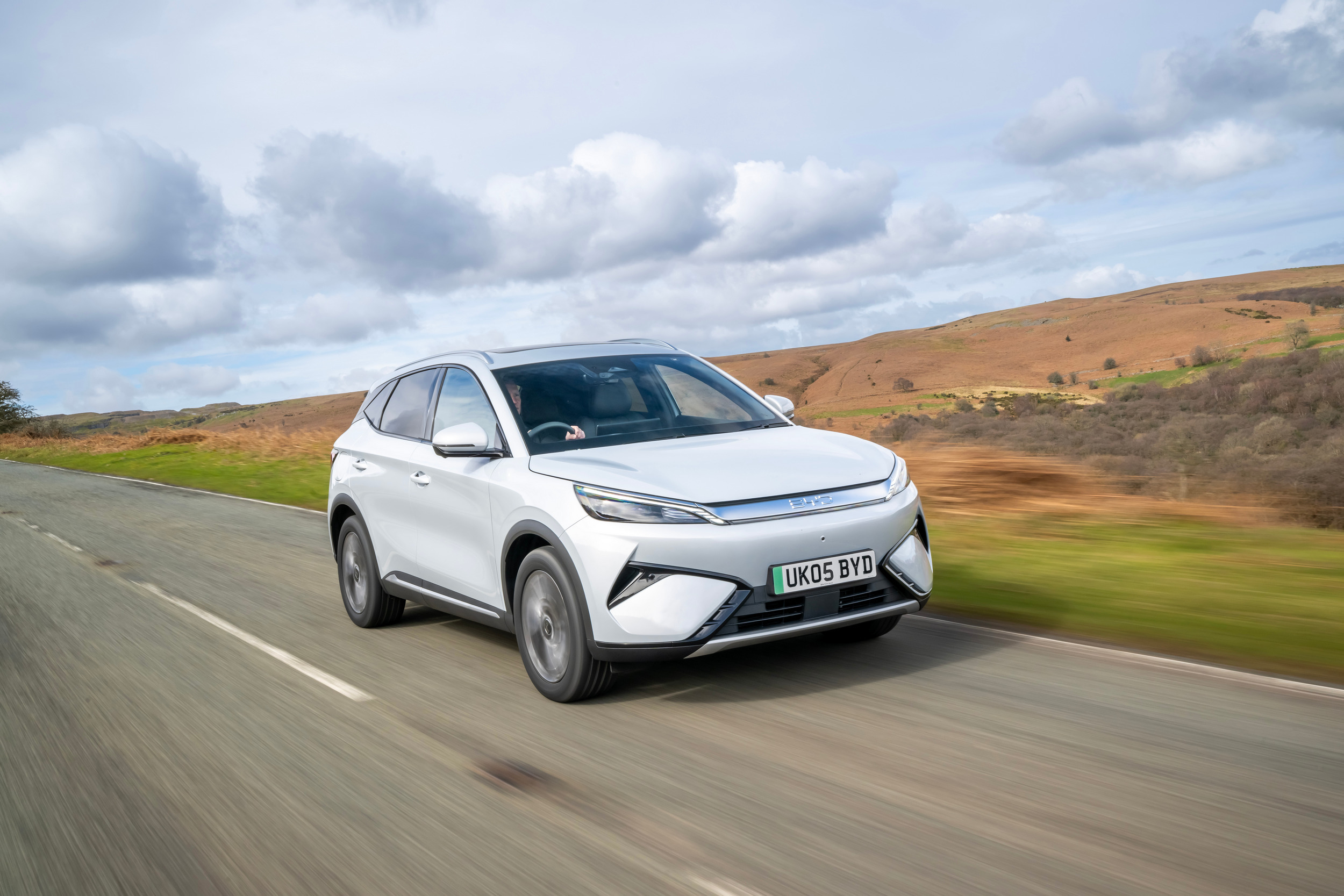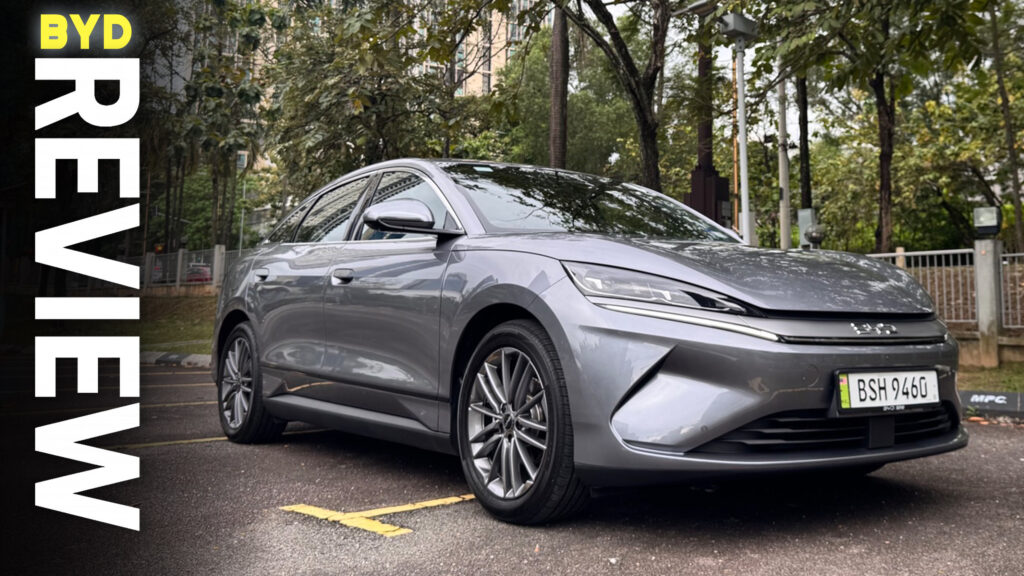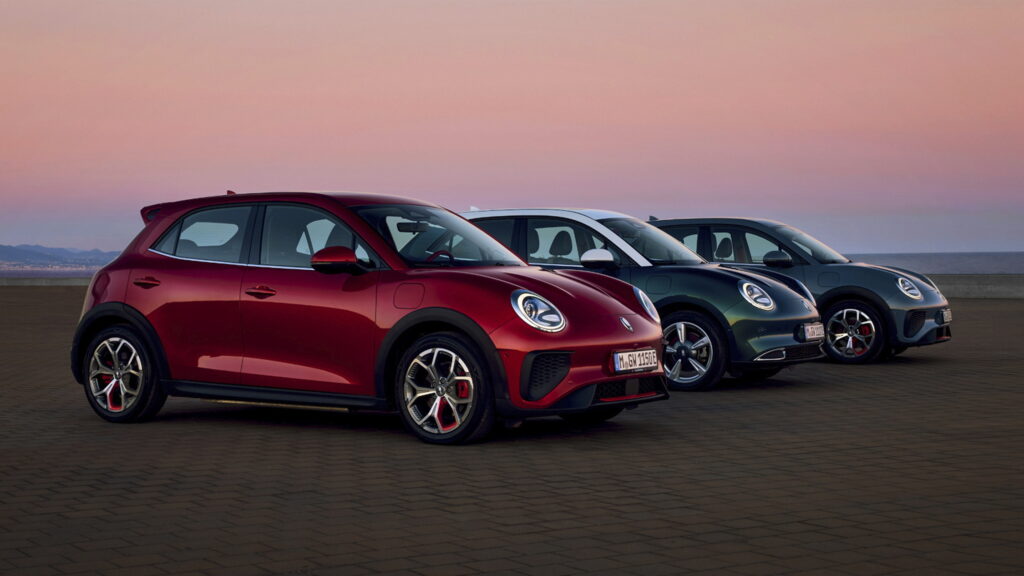










- Chinese automakers are introducing new models at an insane rate.
- Last month, at least eight vehicles were introduced in a single day.
- 542 new models were reportedly released between January and May.
There are a dizzying number of Chinese automakers and they’re in a mad dash to release new products. The numbers are truly staggering and executives seem to know the pace isn’t sustainable.
According to Nikkei Asia, BYD Executive Vice President He Zhiqi took to social media last month to say 542 models were released between January and May. That’s an average of 3.6 per day, but sometimes even that number is eclipsed.
More: America Plans 159 New Cars By 2030, China Just Launched 650 In Six Months
Once such example was July 16, which has become known as “Crazy Thursday.” At least eight automakers unveiled new vehicles that day as companies are flooding the market with new product to keep sales up.
While exports of Chinese-made vehicles are exploding, there’s been a slump domestically. Overall sales are down 21% and sales of new energy vehicles fell 13%, thanks in part to revamped tax incentives.
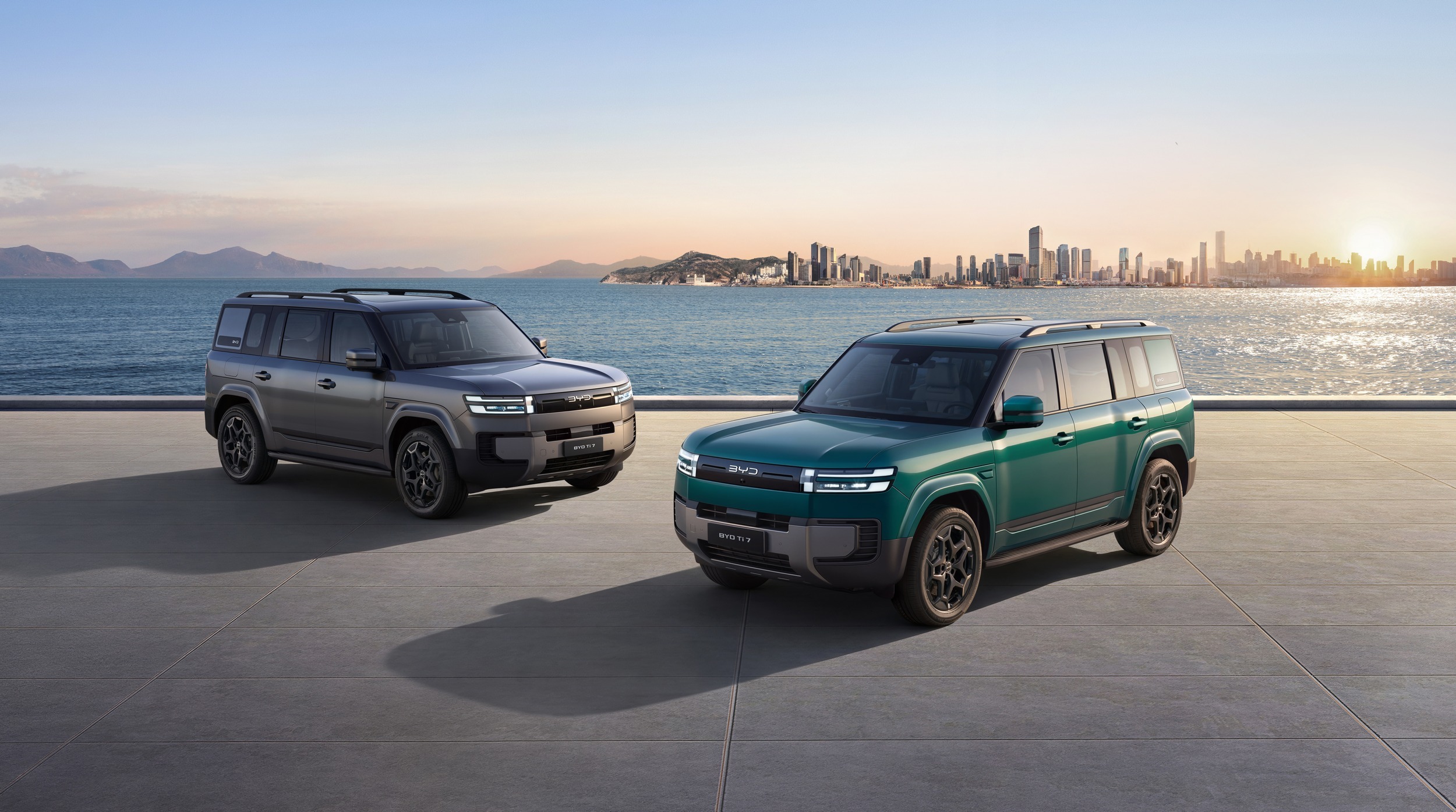
Automakers are feeling the pinch and Zhiqi said things are “brutal.” As he explained, automakers can spend years and ¥1 billion ($149 million) to develop a new vehicle. When it finally arrives, there’s an initial rush of excitement and sales, but this “doesn’t last even three months” as so many new vehicles are being introduced.
The publication says BYD sales have dropped 16% through the first six months of the year and this is the first time the company has posted a first half decline in six years. They’re not the only Chinese automaker struggling as Seres Group is expecting to post a net loss, while Great Wall’s first-half net profit could tumble by around 60%.
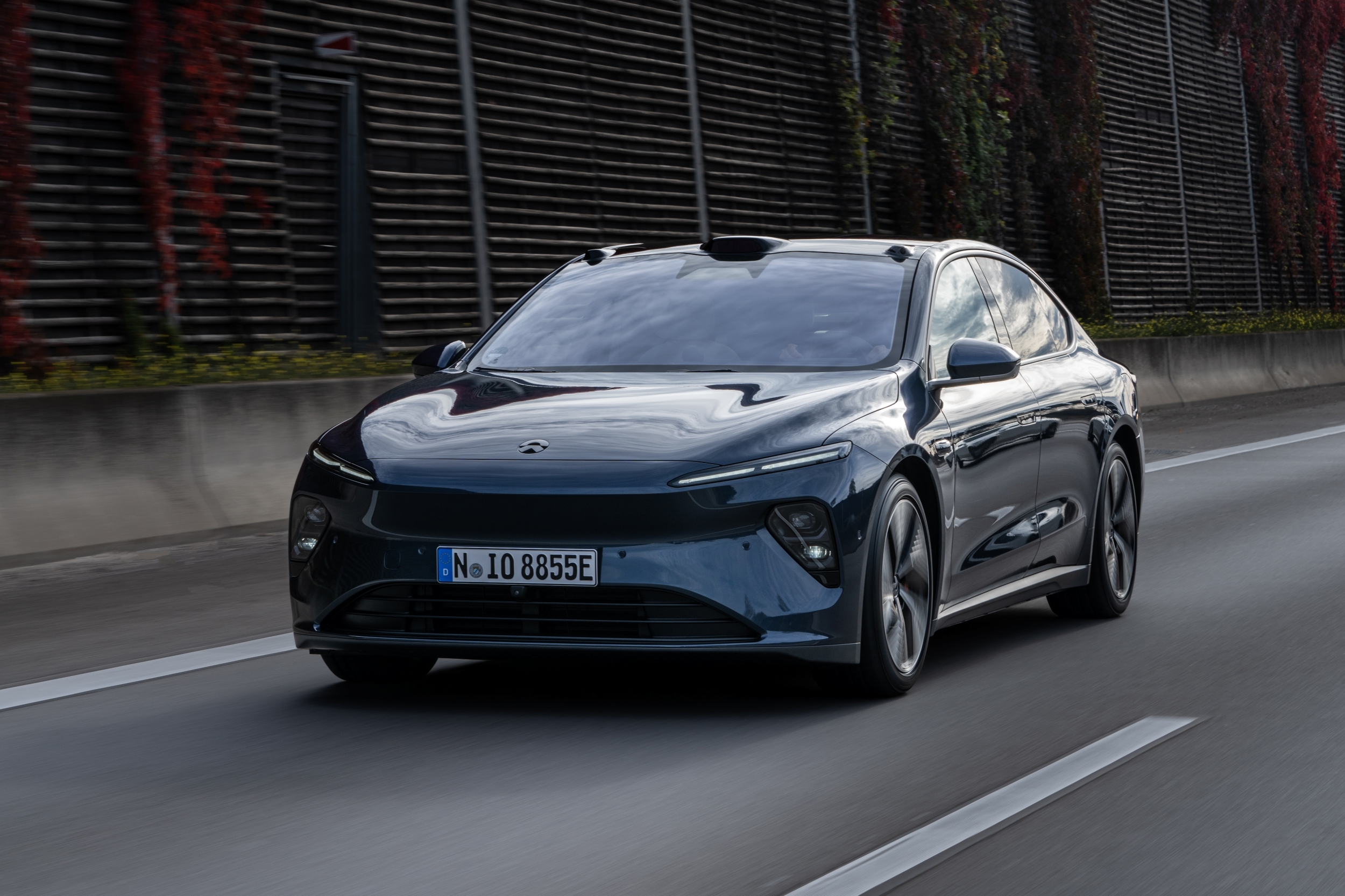
Part of the problem seems to be a desire to chase growth at all costs. Some automakers, like Nio, seem to be acknowledging that circumstances are changing and the Chinese automotive landscape is becoming more mature. As CEO William Li recently noted, “many households already own one vehicle,” so the “automotive market must shift from the traditional era of increasing volume to one that considers growth based on the premise of existing vehicle ownership.”
That likely means smaller, but more consistent sales as well as a reduced pace of new vehicle introductions. However, with intense competition, some companies likely won’t want to be left in the dust.