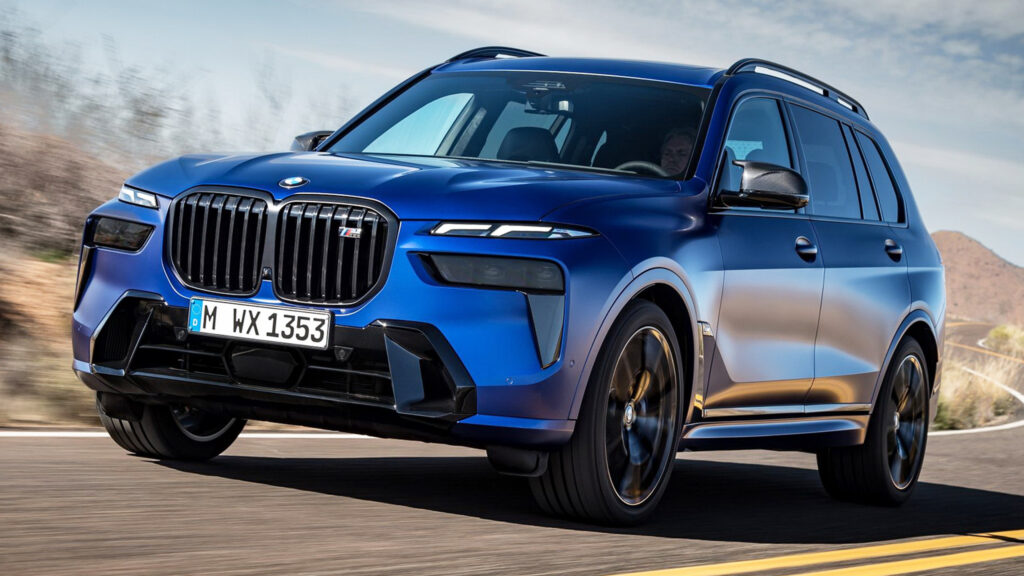



- BMW sales increased 3.4% in the third quarter.
- The 3 Series surged 46%, while X5 sales jumped 22%.
- Both the X4 and iX suffered staggering 96% declines.
BMW had a pretty solid third quarter in the United States. Sales increased 3.4% to 100,210 vehicles, while year-to-date deliveries are up 4.3% to 287,154 units. Nothing particularly shocking in those figures. Dig into the individual models, though, and boy oh boy are some very different stories playing out underneath that relatively modest gain.
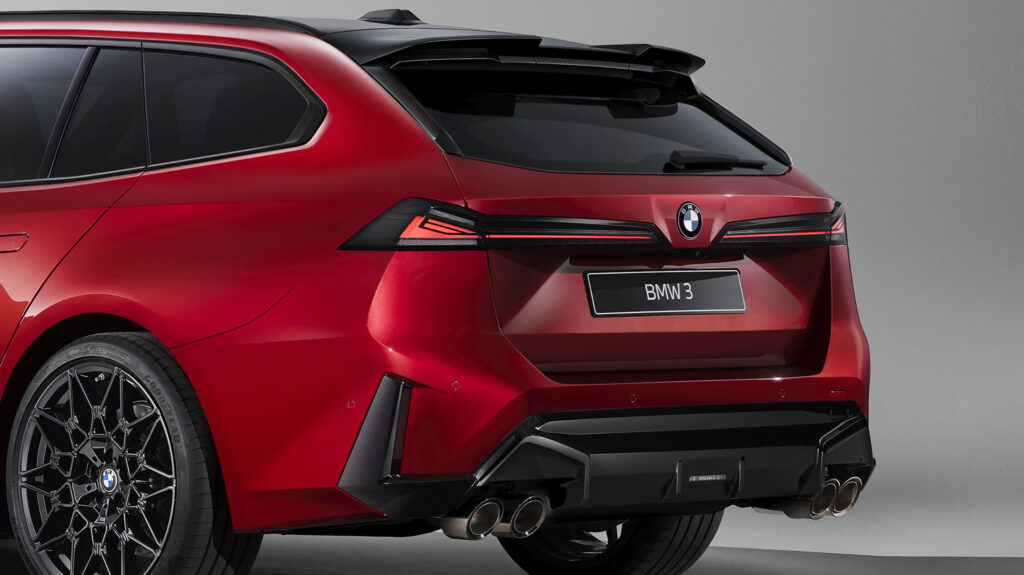
Perhaps most notably, Americans apparently haven’t received the memo that sedans are dead. BMW sold 11,256 examples of the 3 Series during the third quarter, a whopping 46.4% increase from the 7,689 cars it moved a year ago. Perhaps there’s hope for good driving dynamics to become important across more of the industry soon.
More: One More Special BMW M2 Is Rumored Before 2029
This doesn’t seem to be a quarterly fluke, either. Through September, 3 Series sales are up 37.3% to 29,987 units. By comparison, the 4 Series was essentially flat during Q3 and is down 24.4% for the year, while 5 Series sales dropped 20.6% during the quarter. Overall, BMW passenger-car sales actually increased 3.8% during Q3, although they’re still down 0.4% through the first nine months of the year.
The X5 Is Quietly Becoming A Monster
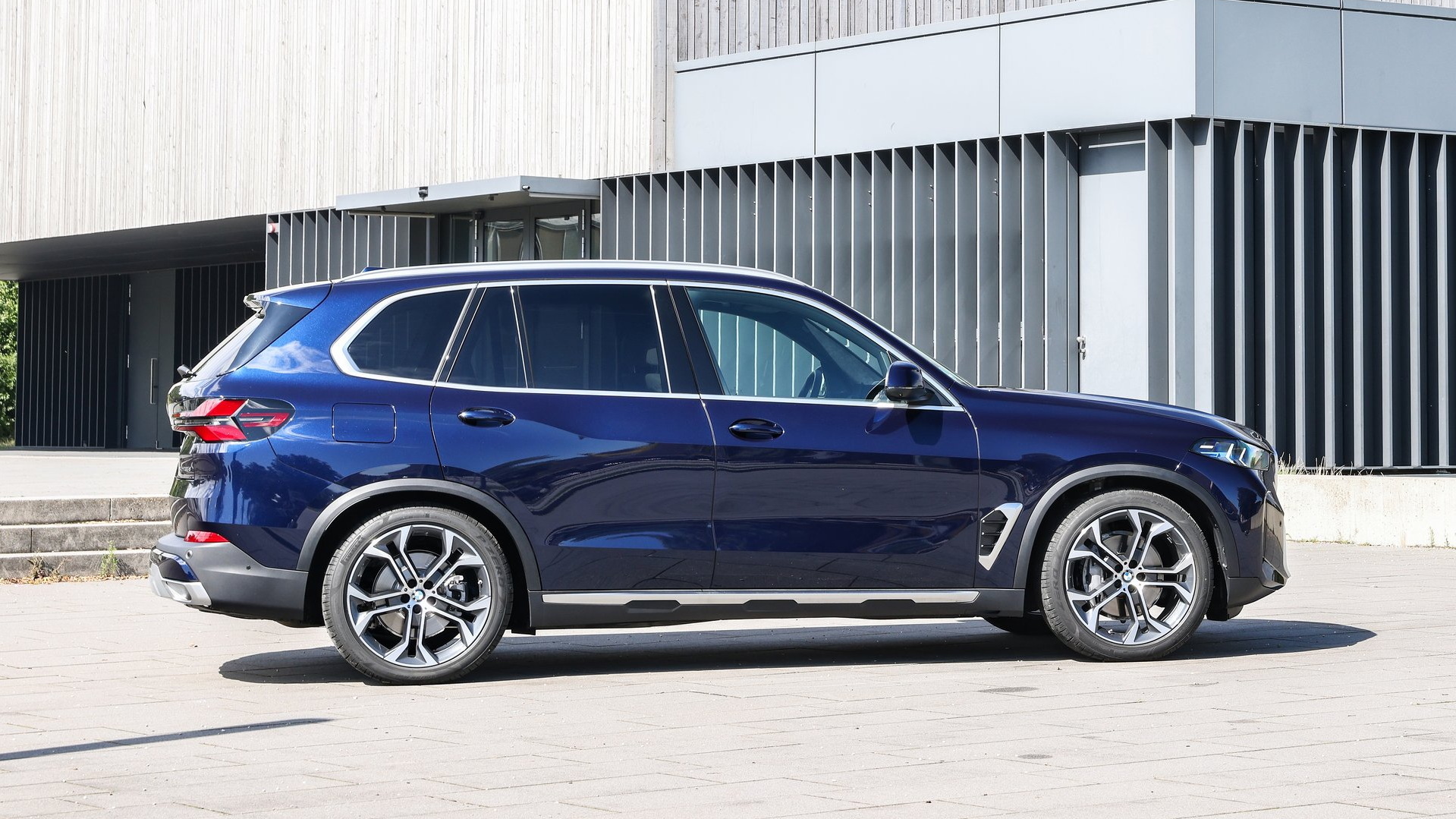
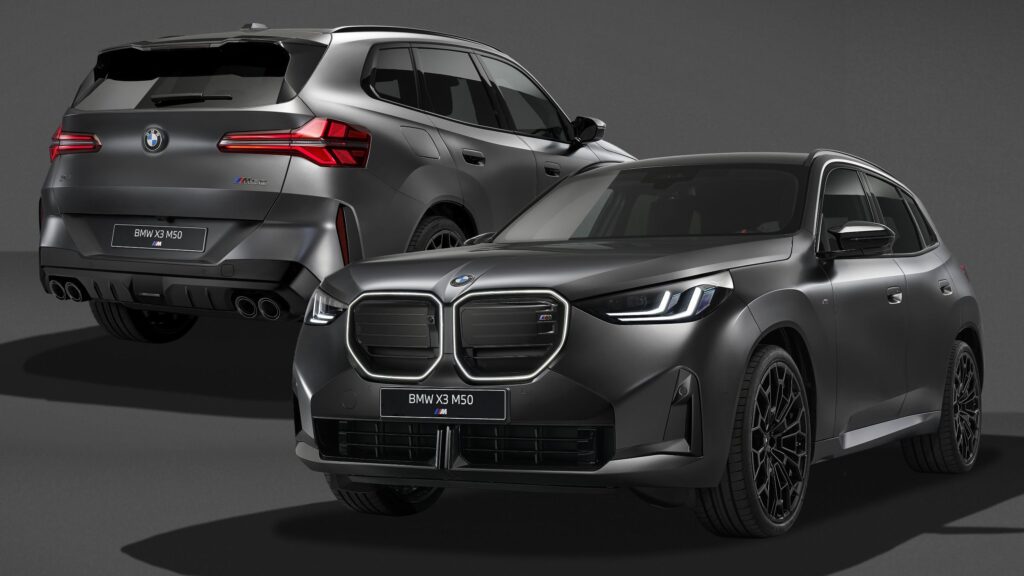
Of course, SUVs continue doing plenty of the heavy lifting. The X3 climbed 7% to 22,457 sales during Q3 and is up 20.2% year-to-date. Somehow, the X5 did even better. BMW moved 22,213 X5s during the quarter, an increase of 21.5%. Through September, it’s actually BMW’s best-selling model, with 63,767 deliveries compared with 60,128 for the X3.
For a little perspective, BMW sold more X5s during Q3 than the 2 Series, 5 Series, 7 Series, 8 Series, and Z4 combined. And it wasn’t alone in growing. X6 sales jumped 20.2%, while the smaller X2 climbed 29.1%. Then we get to the other end of the spreadsheet.
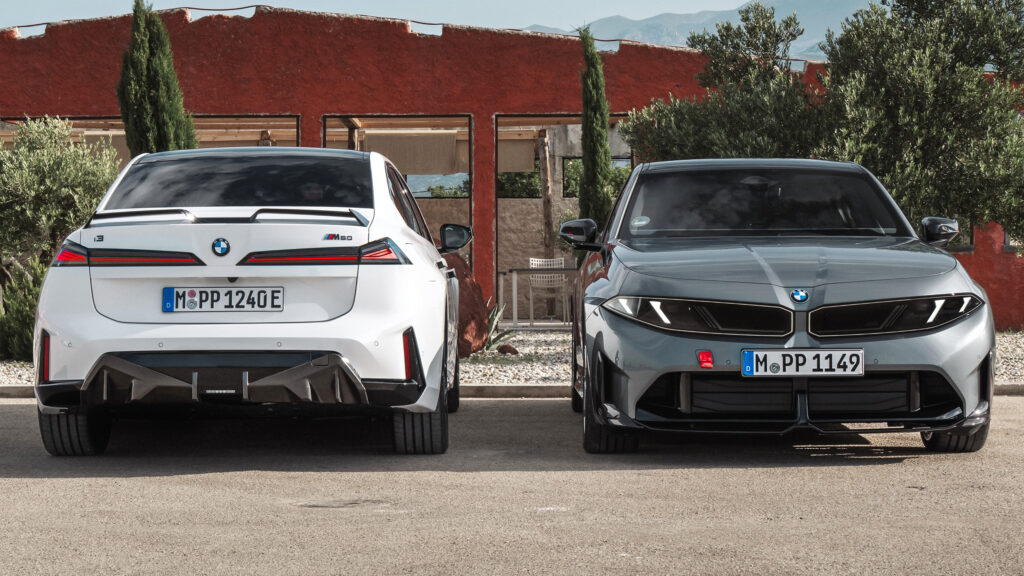
X4 sales cratered from 1,826 vehicles last year to just 72 this quarter, a 96.1% decline. Amazingly, the iX posted the exact same percentage drop, falling from 3,136 sales to only 121. There is some important context here. BMW specifically blamed its broader 24.9% decline in electrified-vehicle sales on “current market conditions and a planned model changeover.” The company is now beginning deliveries of newer EVs, including the iX3 and i7. Plug-in hybrids, meanwhile, went the opposite direction and climbed 23.2% during Q3.
Mini Didn’t Get The Good News
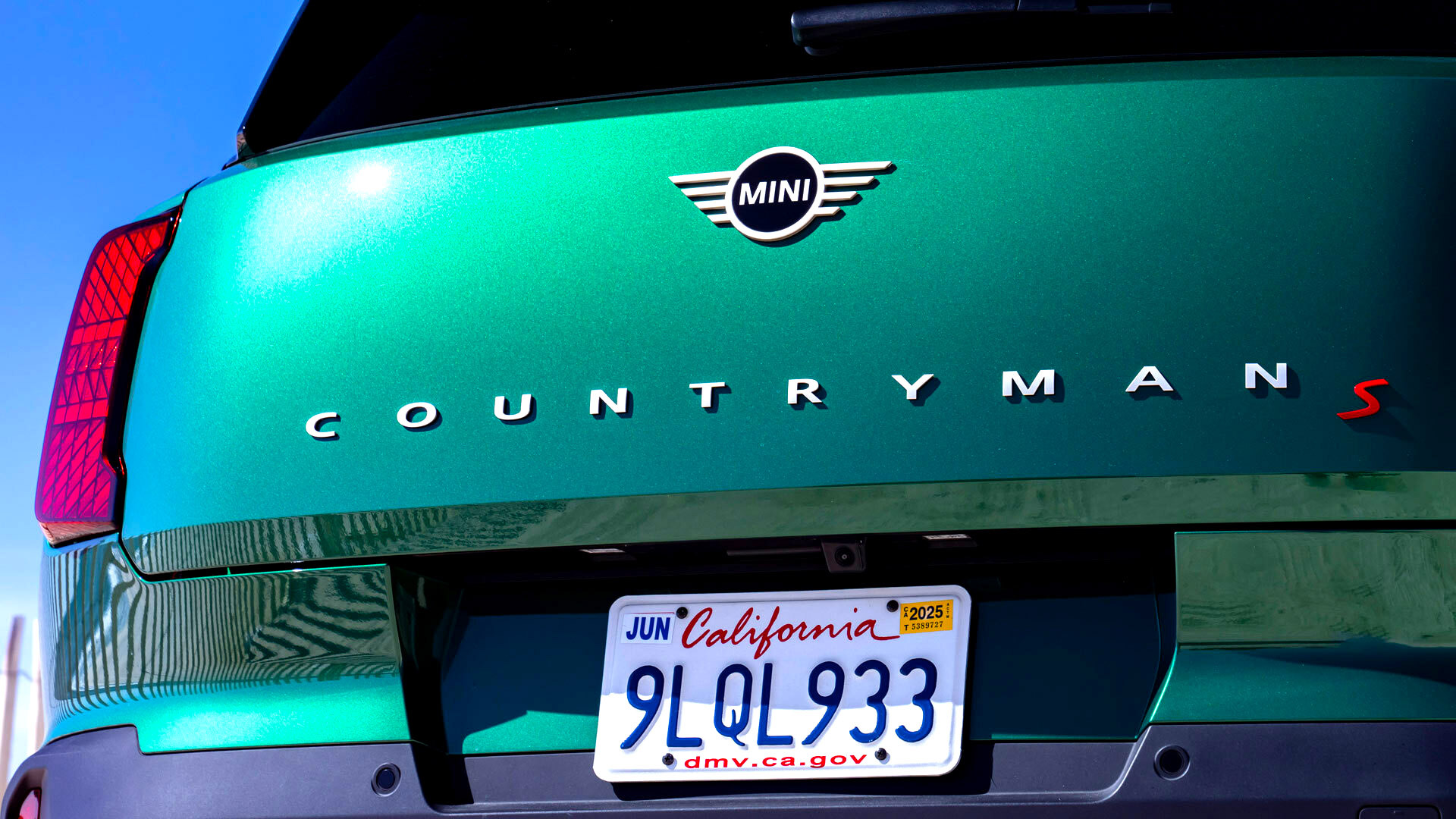
Things weren’t quite as rosy across the Mini showroom. Sales fell 10.2% to 6,531 vehicles during Q3 and are down 7.4% for the year. The Countryman took the biggest hit among current volume models, dropping 28.1% to 2,390 units.
There is, however, one wonderfully strange exception. Mini Cooper Convertible sales jumped 29.8% during the quarter and are up 41% this year. Apparently, when everything else feels uncertain, the answer is to have a little more fun. Color us shocked.
Taken together, BMW and Mini sold 106,741 vehicles during the quarter, up 2.5%. That’s hardly an earth-shattering result. But between a 3 Series enjoying a 46% surge, an X5 outselling huge chunks of BMW’s car lineup combined, and two SUVs simultaneously collapsing 96%, the number hiding all of that drama is just 3.4%.