- A new study says the average price of new cars in America will rise by $1,760.
- GM and Ford estimate massive financial losses from the 25% auto tariff this year.
- Things could get better if the current tariff is dropped, perhaps to as low as 7.5%.
If you’re in the market for a new car in the US, you will have to pay more thanks to the new tariffs. The impacts of the tariffs are already being felt across many consumer goods, as well as in the automotive industry, despite a surprisingly large number of carmakers sticking to their prices and keeping them steady, at least for now.
Also: Trump’s Tariffs Just Made Mitsubishi SUVs More Expensive
According to a new study from AlixPartners, car brands are expected to pass on about 80% of the tariffs to consumers. That’s an extra $1,760 per car on average. This won’t just increase prices, but is expected to contribute to a decline in car sales across the United States, with potentially as many as 1 million fewer cars sold over the next three years.
GM and Ford feel the burn
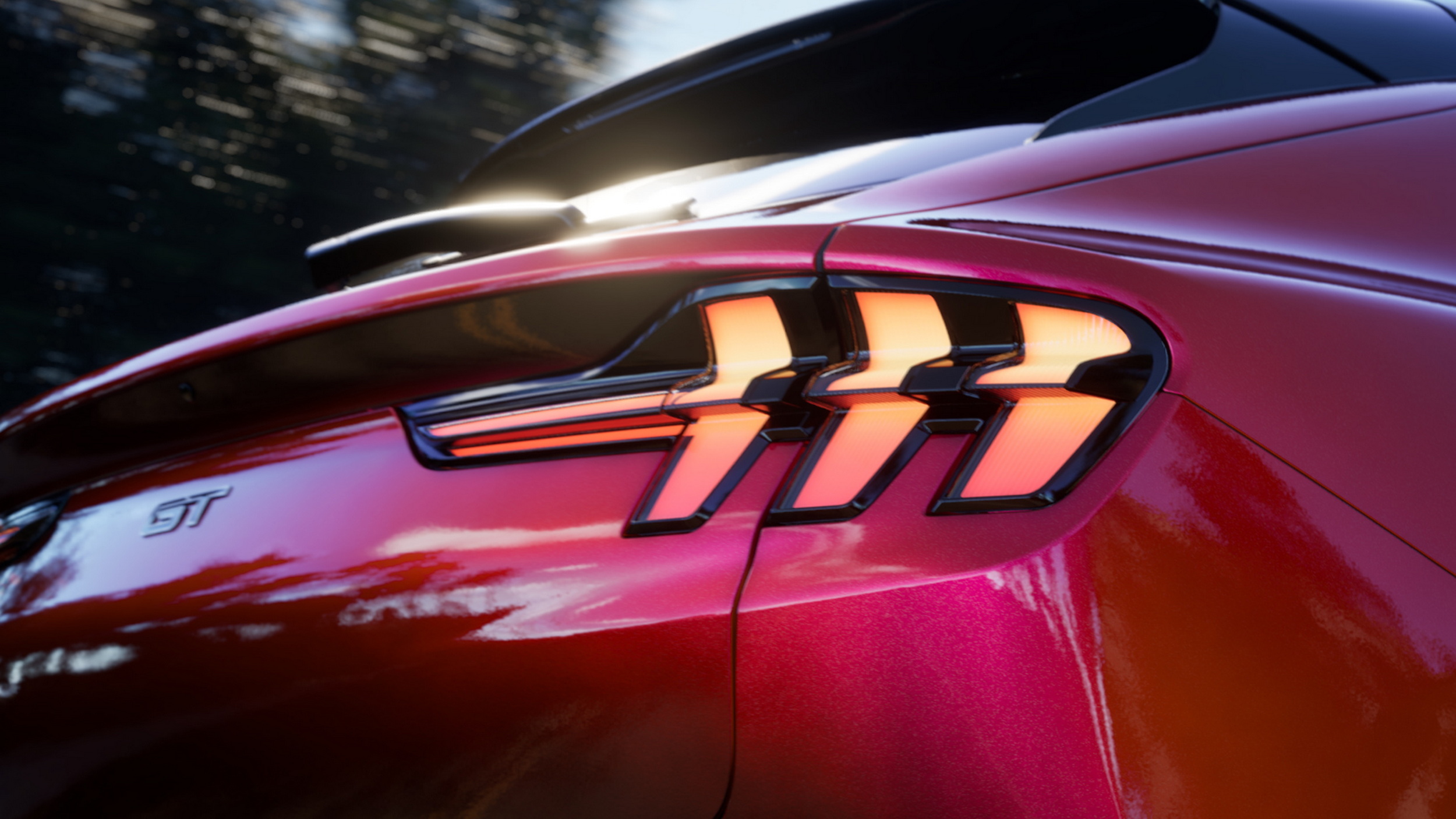
GM has said it expects to take a $5 billion hit from the tariffs this year, while Ford estimates a $2.5 billion impact. It will respond by making price adjustments and has already confirmed it will increase prices of Mexican-made vehicles by up to $2,000, including for the Maverick, Bronco Sport, and Mustang Mach-E.
AlixPartners suggests that we might see some relief down the road. Speaking with Bloomberg, the consultancy firm said it predicts the current 25% auto tariff could fall to as low as 7.5% as the United States secures new international trade deals. Additionally, tariffs on car parts could be reduced to 5% and may even be lower for cars that comply with the US-Mexico-Canada trade agreement (USMCA).
According to Mark Wakefield, the global auto market lead for AlixPartners, “The tariff wall is not likely to last forever.”
The Impact On EVs
While the tariffs may not be a permanent fixture, they’re likely to have lasting effects on consumer behavior, particularly when it comes to electric vehicles. The Trump administration’s impending removal of EV tax subsidies could also play a major role in shifting buyer preferences.
AlixPartners now predicts EVs will make up just 17% of US auto sales by 2030, down significantly from their previous estimate of 31%. In contrast, traditional internal combustion engine vehicles could account for around 50% of sales, and hybrids may make up 27%. Plug-in hybrids are expected to hold a mere 6% of the market. In other words, EVs might start looking like a bit of a niche market, unless there’s some major policy shift.