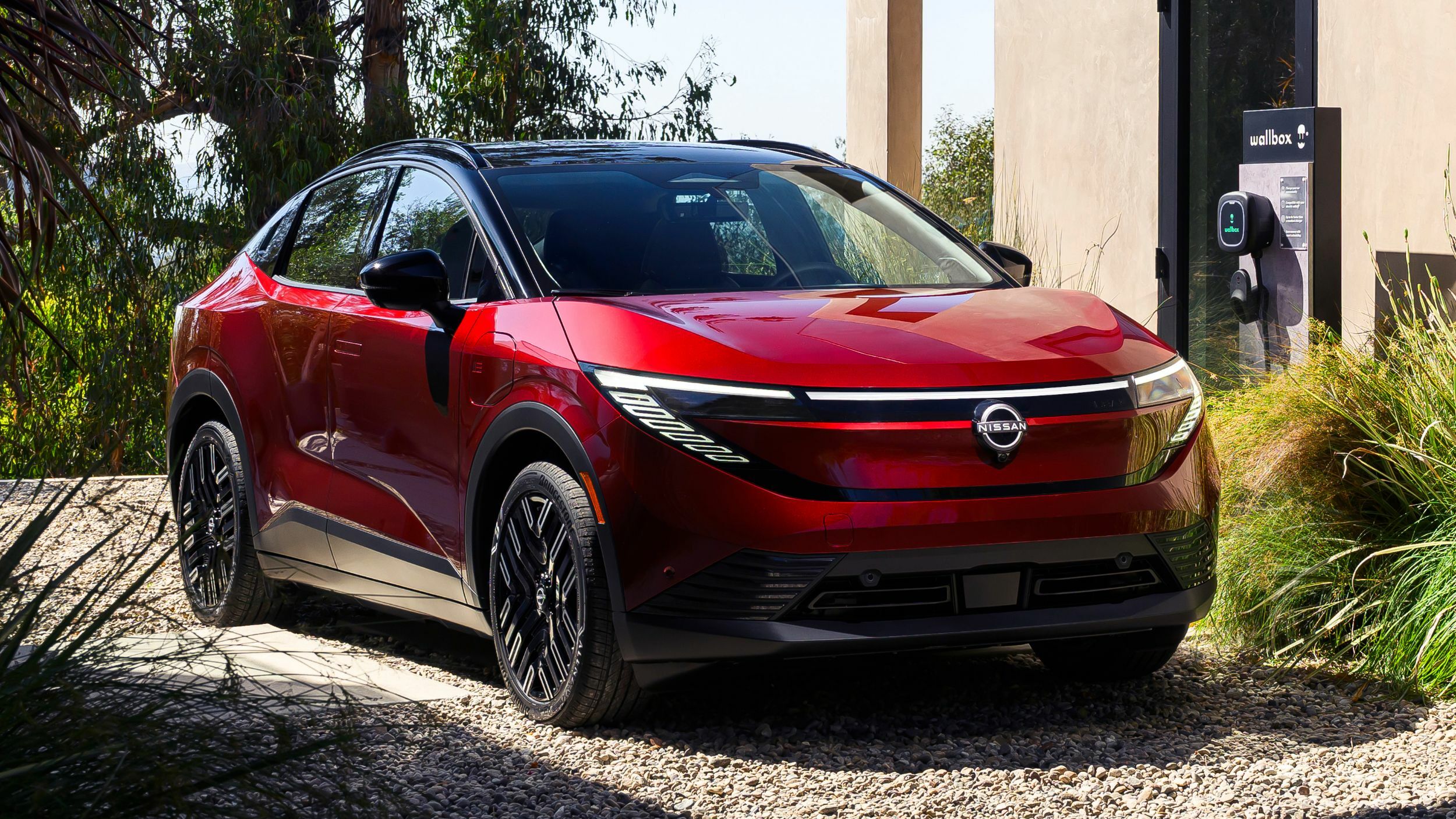









- The 2026 Nissan Leaf starts under $30,000 in the US but costs more in Canada.
- Cold-climate features included as standard equipment it more expensive.
- Despite higher pricing, the Leaf remains one of Canada’s most affordable EVs.
Shoppers weighing the cost of going electric may notice a curious difference between the US and Canadian markets. Nissan has confirmed US pricing for the new Leaf, which still holds its spot among the most affordable EVs available at just under US$30,000. North of the border, however, the same car carries a steeper price tag, leaving dealers, executives, and analysts to explain the gap.
The automaker has not yet shared pricing for the base Leaf S in Canada, so comparisons focus on higher trims. At current exchange rates, the S+ comes in about US$2,600 higher in Canada, the SV+ is roughly US$500 more, while the range-topping Platinum+ is actually US$800 less expensive than in the US.
More: Nissan Says We Made A Mistake With New Leaf’s Taillights
*Prices exclude destination and handling fees.
Looking Back at the First Leaf
When we compare the 2026 MY to the original Leaf from the 2011 MY, without accounting for inflation, the starting price in the US market is actually lower today (US$ 29,990 versus 32,780), something that was mentioned as a notable achievement by Nissan. However, in Canada the model has gotten more expensive than its grandfather (CA$ 44,998 versus 38,395). So what explains the difference between the two markets?
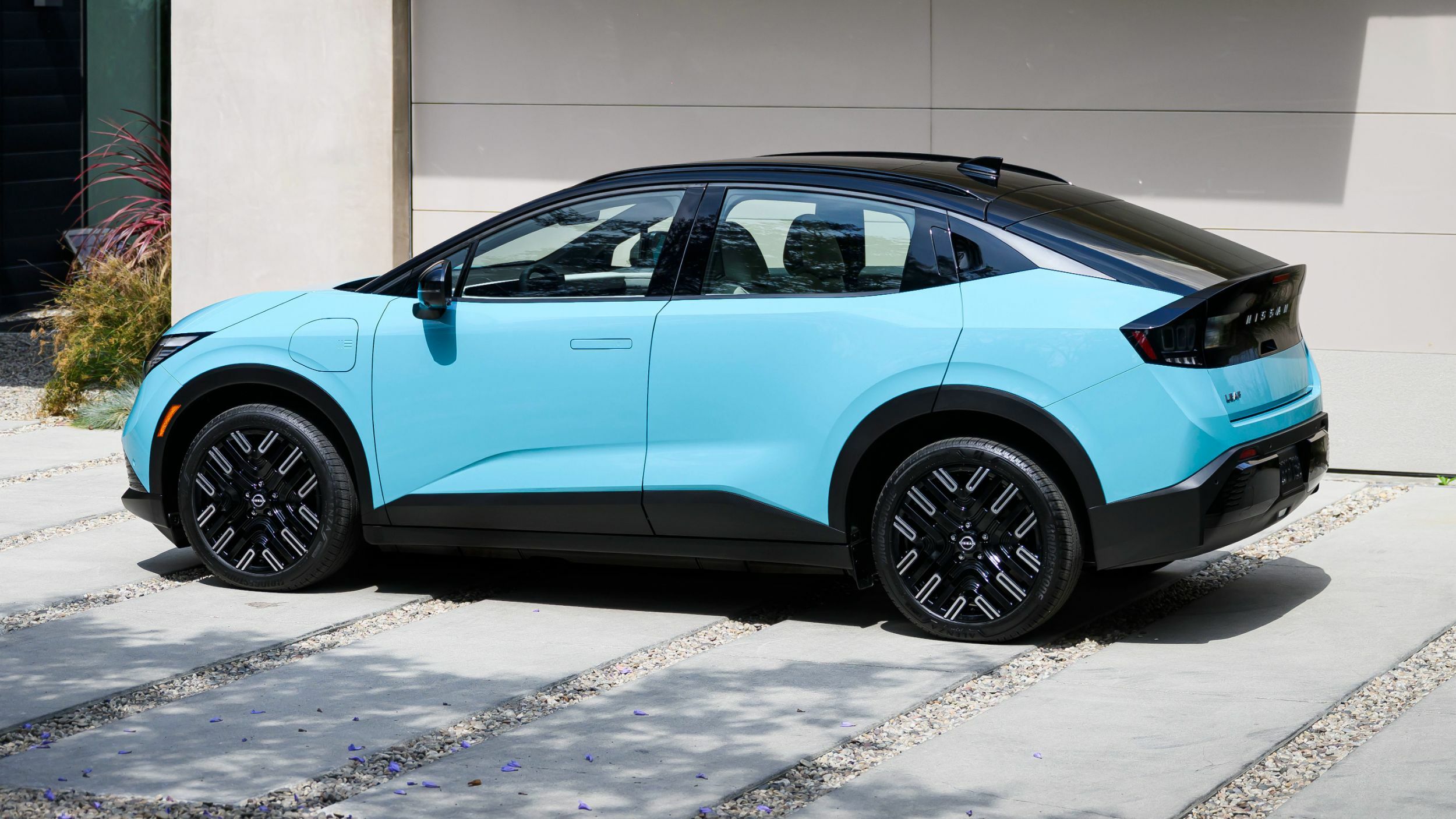
So what explains the diverging trends? Nissan Canada spokesman Didier Marsaud told Auto News: “Vehicle pricing is determined by a number of factors, including vehicle specifications, market competitiveness, and more, hence why Canadian and U.S. pricing may not be exactly the same.”
Extra Features for Cold Climates
One major factor is equipment. The Canadian-spec Leaf S+ includes heated front seats, heated mirrors, a heat pump, a battery heater, and LED turn signals as standard features, none of which are included on the equivalent US model. These additions are practical for colder regions and arguably add value for Canadian buyers.
More: Nissan’s New Leaf Could Be In Trouble Before It Even Hits The Road
Robert Karwel, analyst at J.D. Power Canada, echoed this point. He noted that differences in packaging and market dynamics often lead to Canadian models being less stripped-down than their US counterparts. “This is not an uncommon position to take in Canada, where models are more likely to be equipped not as strict ‘price leaders’ but in a way that reflects what most Canadians will actually buy.”
Despite the higher sticker price, Karwel pointed out that the Leaf still lands as one of the most affordable EVs “at transaction price” in Canada. Its cost undercuts several direct competitors, including the Chevy Equinox EV at CA$48,433, the Kia Niro EV at CA$48,620, and the Hyundai Kona Electric at CA$49,279.
Steve Chipman, CEO of Birchwood Automotive Group, which operates 24 dealerships across Canada, acknowledged that cross-border TV ads showing US prices might cause confusion. Still, he hopes buyers recognize the realities of regional pricing. “This is Canada and this is the pricing,” he said.