











- New study shows rising demand for combustion-powered vehicles.
- Fewer shoppers are considering battery-electric options today.
- Interest in hybrid models is slipping alongside EV enthusiasm.
The auto industry’s pivot to electric vehicles was never expected to be seamless, but a recent shift in buyer sentiment suggests the transition may be hitting more resistance than anticipated. According to a new study, a growing number of car shoppers are once again leaning toward combustion engines, reversing some of the momentum EVs had built in recent years.
A report from professional services firm EY indicates that EV adoption is slowing worldwide, in part due to shifting policies like those recently enacted in the United States.
Read: Ford’s CEO Applauds Trump’s CAFE Rollback, Says They Were Forced Into EVs
Among consumers planning to buy a new or used vehicle within the next 24 months, about half now say they intend to purchase one powered by a combustion engine. That marks a 13 percent jump from the previous year, a sharp turn in consumer preference.
Declining Appetite for Electrics and Hybrids
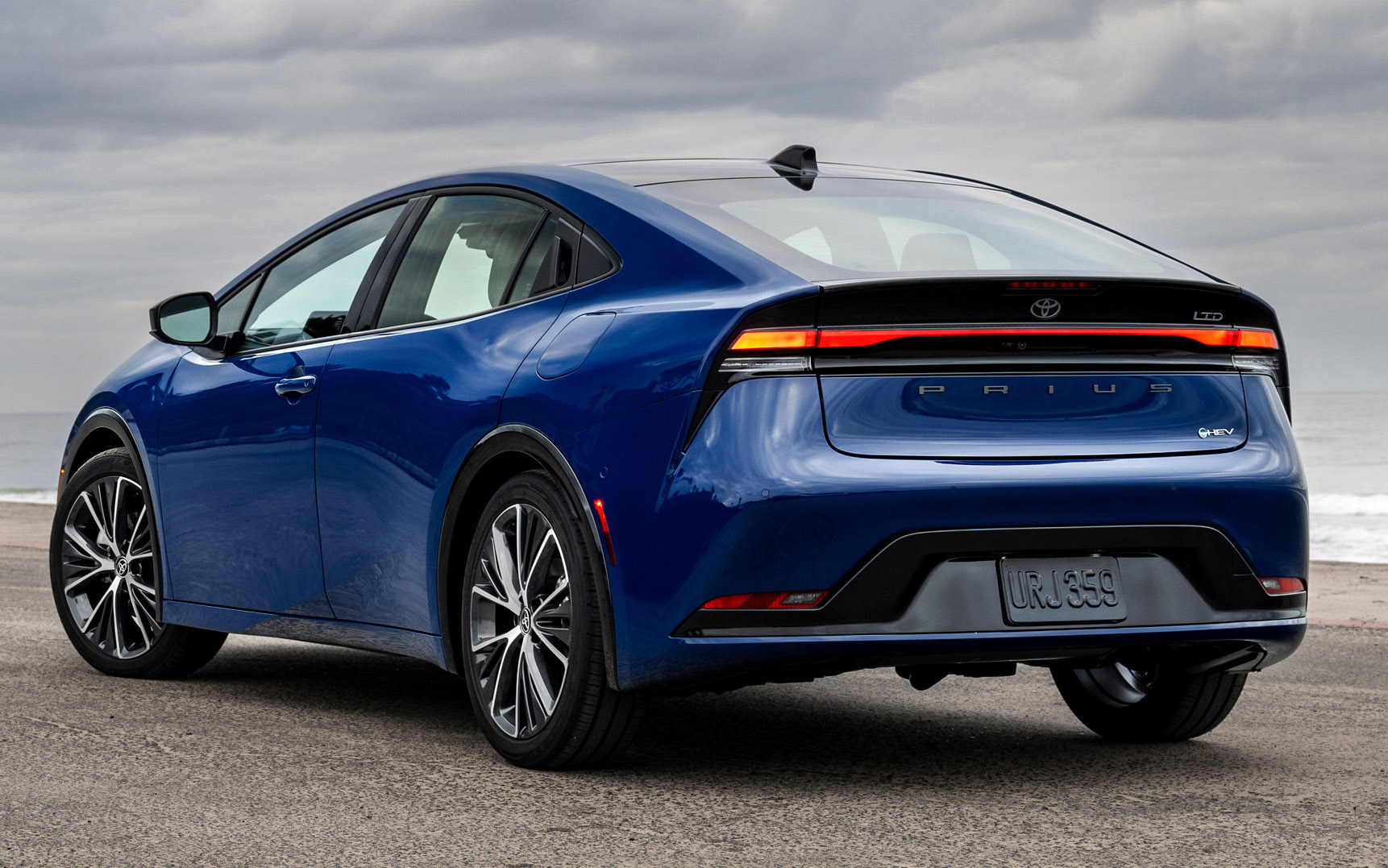
That’s not the only surprising conclusion from this study. EY’s report also notes that the preference among new and used car buyers to buy a battery-electric vehicle has dropped by 10 percent, landing at just 14 percent overall.
The picture for hybrid models isn’t much brighter. Interest in those models has dipped by 5 percent, now sitting at 16 percent. And among those still considering an EV, more than a third, or 36 percent, say they’re either rethinking their decision entirely or planning to delay their purchase, citing geopolitical developments as a major factor.
It’s possible that this trend could continue. Less than a year into President Trump’s second term, several policy changes have already been implemented that are more favorable to internal combustion engine vehicles. These measures are expected to influence both consumer behavior and manufacturer output in the coming years.
Policy Reversals Take Hold
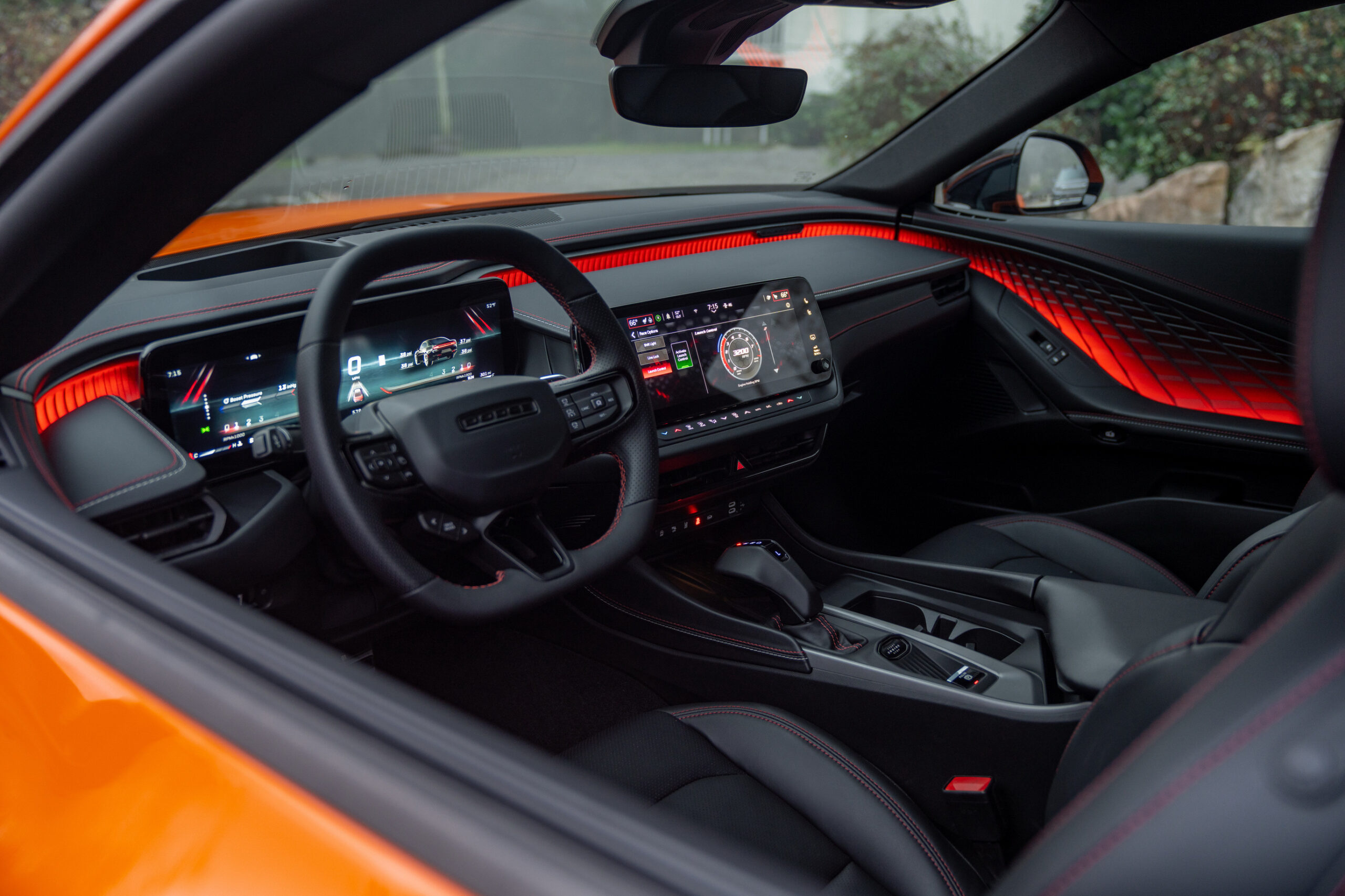
Earlier this month, he officially rolled back CAFE standards, opening the door for car manufacturers to build more combustion models. Automakers argue this aligns with actual consumer demand, claiming Americans still largely prefer these vehicles over their electric counterparts.
Europe is seeing a similar recalibration. Two years ago, the European Union announced plans to effectively ban the sale of new combustion vehicles by 2035.
However, this ban appears increasingly likely to be relaxed, opening the door for hybrid models, and combustion-engine cars using e-fuels to be sold beyond 2035. This will no doubt have a significant impact on EV sales throughout the region.
