









- Audi US factory talks stall as tariffs drain cash reserves and incentives fall short.
- Tennessee and South Carolina both keen, but costs and unions complicate matters.
- Without US production Audi keeps bleeding money on imported SUVs and tariffs.
Audi really wants to overtake its premium rivals in America, but right now it’s idling in a jam and making no progress. That’s according to the VW Group CEO who says plans to build Audis in the US for the first time aren’t progressing.
Tariffs introduced under President Trump are hammering brands that import cars, and Audi is especially exposed. Unlike BMW, which builds its popular SUVs in Spartanburg, Audi produces most of its American lineup in Mexico and Europe. Those vehicles now carry hefty duties that Audi has largely been eating instead of passing on to buyers, and a US factory bring major relief.
Related: Audi’s Making A Defender Rival Out Of The Scout In America
But VW Group boss Oliver Blume told Germany’s Handelsblatt that we’re still some way off seeing a US-born Audi, in part because the tariffs are draining its financial strength.
“With unchanged tariff burdens, a large additional investment is not financially feasible,” the VW boss said.
Talks, But No deals
It’s not like Audi hasn’t made efforts to set up shop in the US, where sister brand VW already has a Tennessee plant, and newly-formed Scout Motors, another VW company, has one under construction in South Carolina.
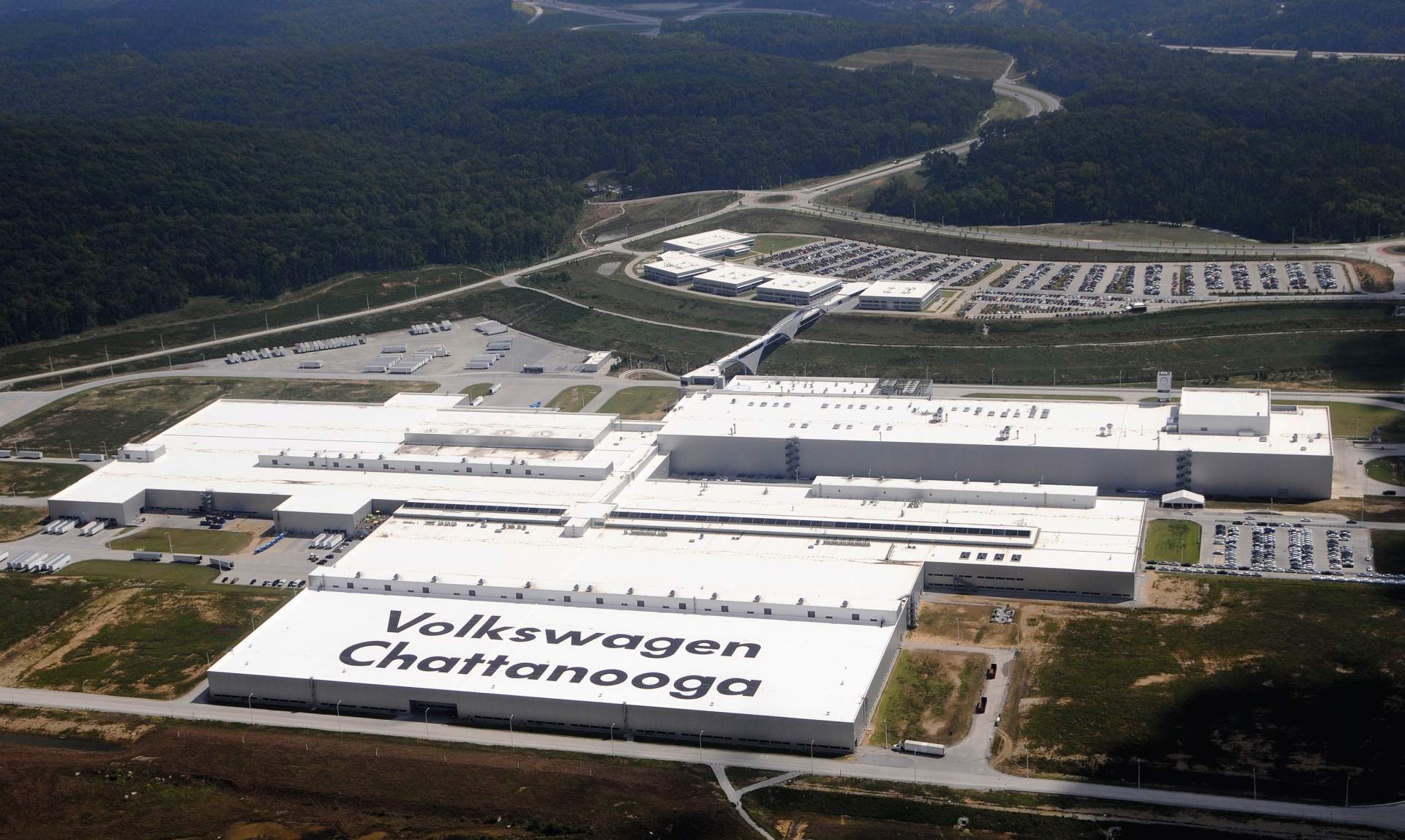
Chattanooga in Tennessee is pitching an expansion of VW’s existing factory where it builds the ID.4 (seen below) and Atlas, which could be cheaper and quicker than starting from scratch. South Carolina is also waving incentives, helped by the group already building a Scout plant there.
However, Audi wants the US government to help out by offering subsidies, which it believes is a fair suggestion given it’ll be creating jobs, and Trump’s team isn’t playing ball.

“The president is aware of our investment plans and our strategy,” Blume told Handelsblatt. “However, our discussions with the Commerce Secretary and the president have not yet yielded the results we need for a further decision.”
More Roadblocks
It’s not just about land and logistics, though. Labor costs are rising too. VW’s Chattanooga workers recently unionized, and ongoing talks with the UAW could make any expansion more expensive. Back in Germany, convincing worker representatives to back a multibillion dollar US investment while cutting costs at home will not be easy either.
For now, Audi is stuck in a classic catch 22. It needs US production to escape tariffs and jumpstart its global sales slide, including doubling American registrations. But tariffs are draining the cash it would use to build that production. Until someone blinks, America will stay a crucial market that Audi can’t fully play on its own terms.