- Genesis revealed a high-riding minivan study called Jet On Wheels.
- Luc Donckerwolke hinted Genesis may enter the minivan market.
- Official sketches revealed a shelved hydrogen-powered SUV project.
Genesis seems to be pushing boundaries lately, and its latest round of concept vehicles makes that clear. Between a mid-engined supercar, a long-roof luxury barge, and even a sketch of a full-size pickup, the brand seems intent on stretching its design language in every direction.
See: Genesis Designed This Pickup For America, Then Walked Away
But even by those standards, the concept you see here, a high-riding minivan that looks more at home in orbit than on asphalt, is something else entirely.
Minivan, But Make It Space Age
Dubbed a “Jet on Wheels,” the study is described as a styling exercise, though it appears to have progressed beyond the sketchpad stage. As seen in images shared online from the Italian magazine Auto&Design, Genesis created at least one full-scale, static prototype.
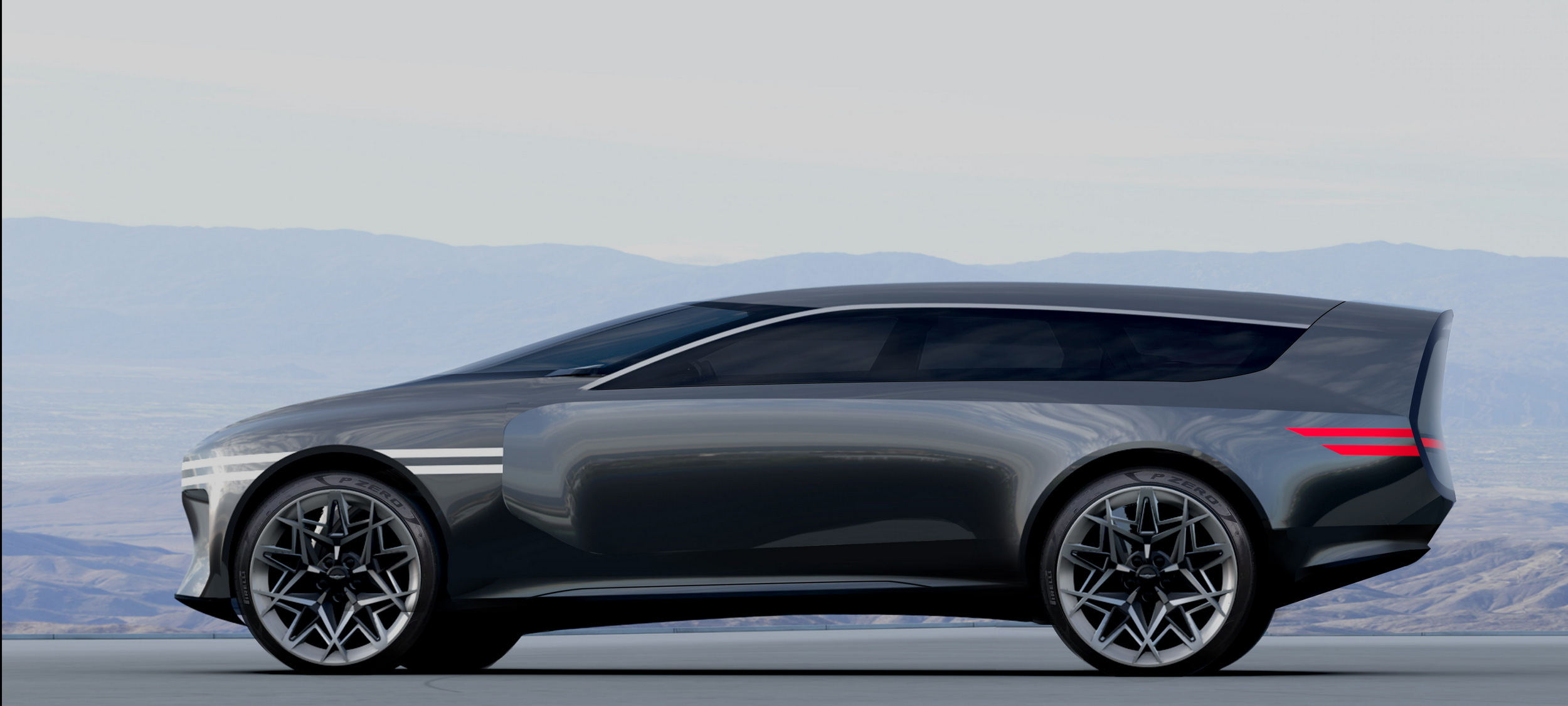
Genesis sent us one of the official sketches highlighting the aerodynamic silhouette and SUV-like ground clearance of the concept. The silhouette sticks to single-box proportions, with a sharply raked windshield that might remind some of the ‘90s Pontiac Trans Sport. It sits on oversized alloy wheels that seem to exaggerate the vehicle’s otherworldly profile.
More: This Genesis Supercar Isn’t A Pipe Dream, It’s Coming In Multiple Flavors
Lighting front and rear follows Genesis’s signature Two Line theme, while the side view incorporates the brand’s characteristic parabolic crease. But the rear is where things really go off-script with a sculpted, mostly glass tail section that feels pulled straight from speculative science fiction.
As unlikely as it looks for production, the concept isn’t just for show. Speaking with Italian design publication Auto&Design, Hyundai Motor Group’s Chief Creative Officer, Luc Donckerwolke, offered some context about the project.
“We did it because at Genesis we all know we might make a van sooner or later. And since we are used to tackling different categories and architectures, it seemed perfectly natural to us to also address this typology of vehicle. So, it’s the perfect example of the work we do behind the scenes, in our kitchen”
More: Genesis G90 Performance Wagon Just Gave Us False Hope Again
The luxury minivan segment has been gaining momentum lately, particularly in China, where it’s evolved from a fleet of business shuttles into a status symbol for the elite. Genesis could eventually join the mix with an unconventional entry aimed at rivals like a possible Lexus LS-based flagship minivan and other premium-brand contenders.
What About the Hydrogen SUV?
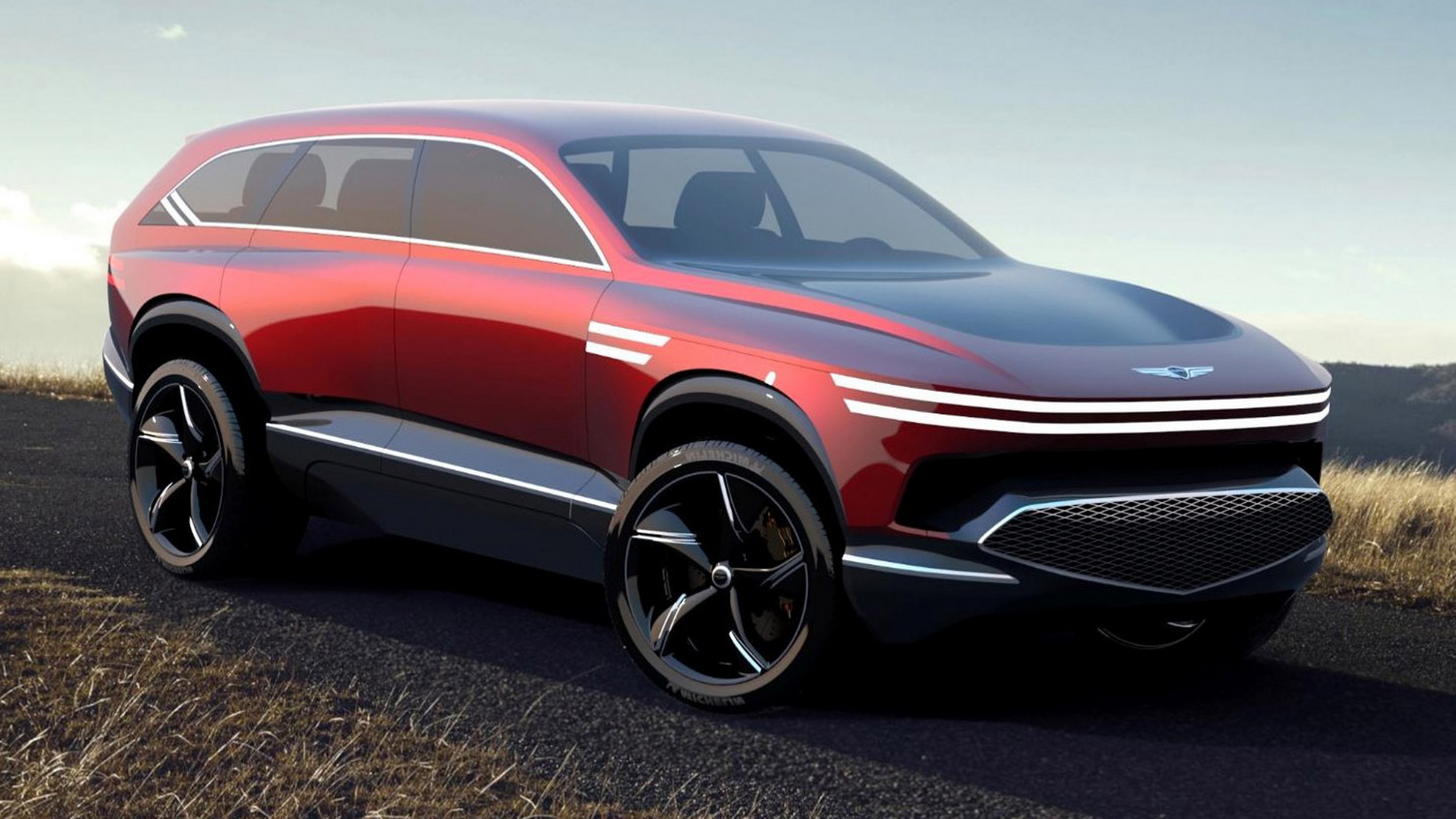
Another interesting concept from the Genesis design studio is an SUV with a hydrogen fuel cell powertrain. The project is internally codenamed JH and was eventually shelved. However, it shows that Genesis once considered a hydrogen offering that could borrow technology from the Hyundai Nexo.
More: 2026 Hyundai Nexo FCEV Is A Hydrogen SUV That Makes Sense
In the image Genesis shared, the JH concept appears as a sleek three-row SUV with complex surfacing and strong visual presence. The Crest Grille is positioned unusually low, beneath bumper-level intakes that seem to link up with a cutout on the hood. Frameless windows, slim lighting elements, and five-spoke alloy wheels round out the design.
Auto&Design published a few alternate versions of the same concept. One showed more aggressive lighting integrated into the body through deep channels, matched with a lower stance and a coupe-like roofline. Another rendering stayed closer to familiar proportions, bearing a strong resemblance to what we expect from the upcoming GV90.
In a statement to Carscoops, a Genesis spokesperson acknowledged that many of these design studies won’t progress beyond the concept stage. Still, he emphasized their value as internal tools, noting that they “showcase the broad capabilities and strengths of the Genesis design team.”