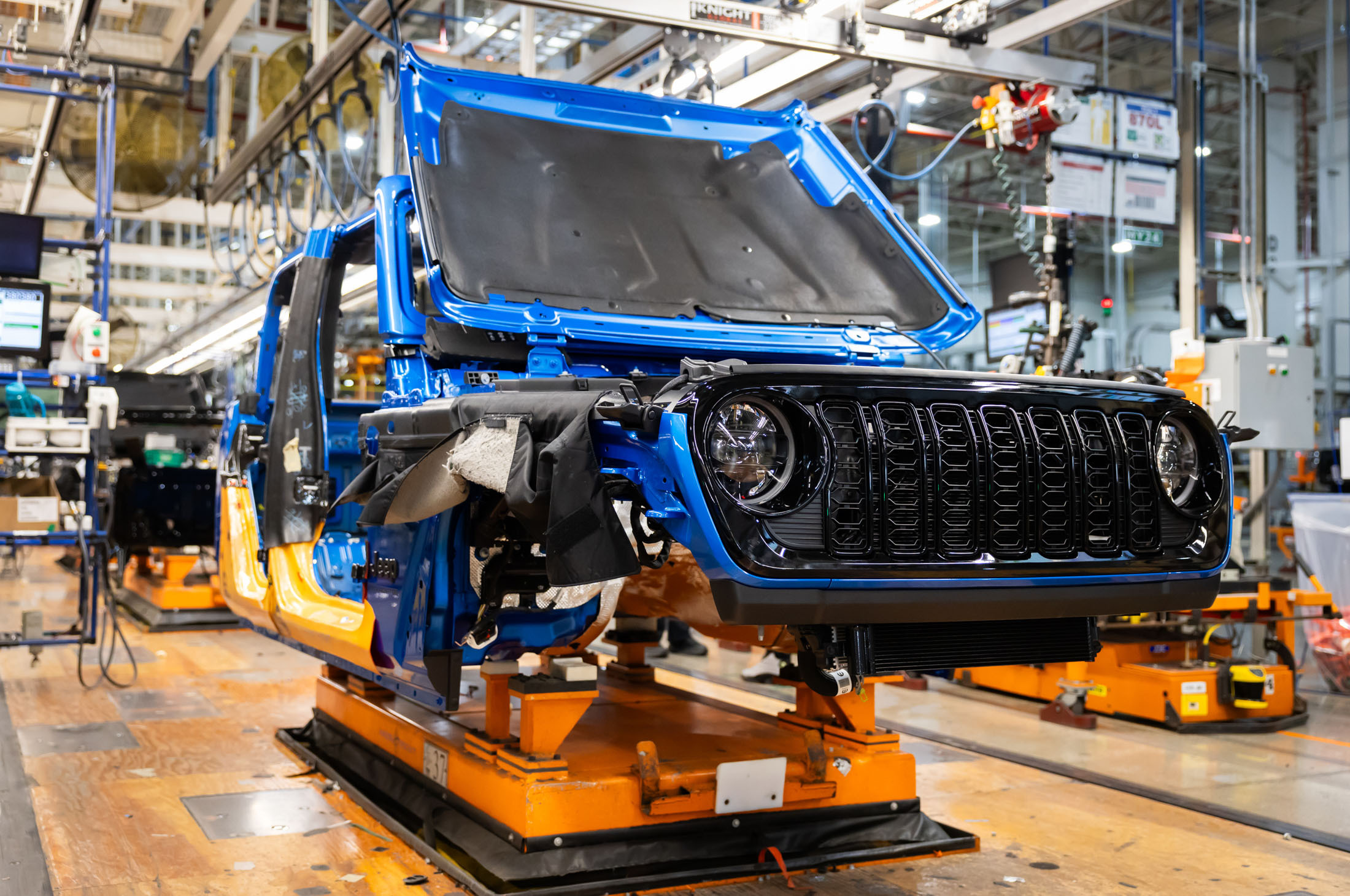


- USITC launches third probe into USMCA automotive origin rules.
- Vehicles need 75 % North American parts to escape 2.5 % duty.
- Automakers want certainty as 2026 USMCA review looms large.
The North American auto industry and specifically its inter-nation rules of engagement are back under the microscope. The US International Trade Commission (USITC) has launched a fresh investigation into the automotive rules of origin under the United States-Mexico-Canada trade (USMCA) agreement, and automakers across the continent are waiting with bated breath for the outcome.
For anyone who needs a refresher, USMCA replaced NAFTA (North American Free Trade Agreement) in 2020 and tightened the screws on what counts as a North American car. To qualify for duty-free access, vehicles must contain 75 percent regional content. On top of that, 40 percent of a passenger car’s core parts must be made in the US or Canada. Pickups need 45 percent.
Related: Toyota’s Affordable Small Pickup May Hang On Trump’s Decision
That might sound simple, but in a world of global supply chains, it’s often anything but. The USITC says it will examine the impact on GDP, jobs, wages, investment, competitiveness and whether these rules even make sense given rapid technological change.
This is the third in a series of five reports running through to 2031. The commission will hold a public hearing in October and deliver its findings by July 2027, though the three countries get together this year to decide whether to renew the USMCA.
Backfired
The rules were designed to pull more production back into North America. But some economists argue they may have had the opposite effect, nudging automakers to simply pay the modest 2.5 percent tariff on non-compliant vehicles rather than untangle complex sourcing requirements.
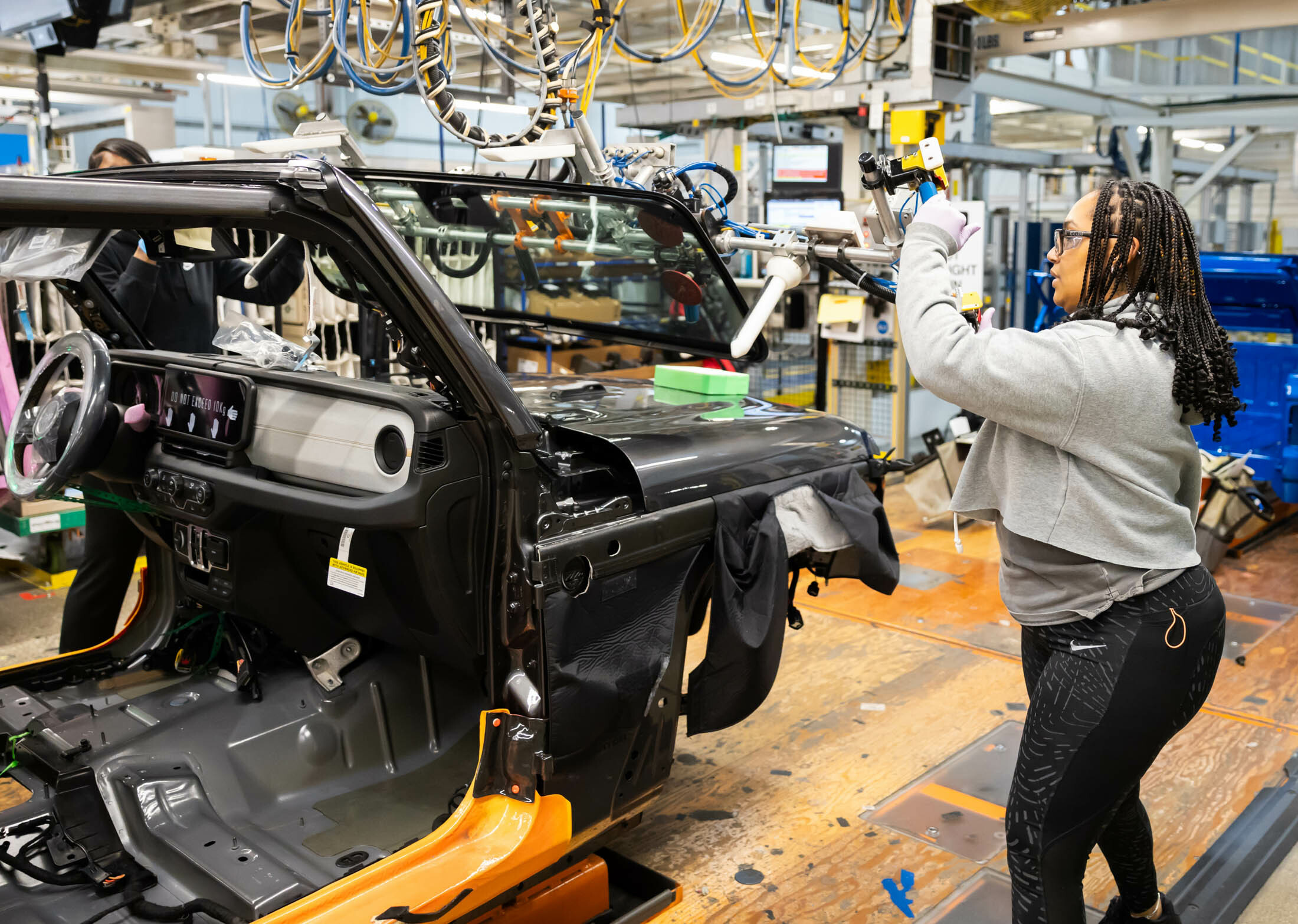
Automakers Want Extension
Automakers including GM, Ford, Toyota and Tesla have urged the administration to extend USMCA and provide clarity, but Stellantis has gone further. It argues that vehicles imported from outside North America should face origin rules that mirror USMCA, or tariffs on compliant Canadian and Mexican vehicles should be dropped, Reuters reports.
Whether this investigation leads to tweaks, tougher rules, or ends up being just another thick report destined for a shelf remains to be seen. But one thing is certain. In North America’s auto industry, where a component might cross the border multiple times before reaching a showroom, rules of origin can be a major headache for automakers and potentially make your new car more expensive.