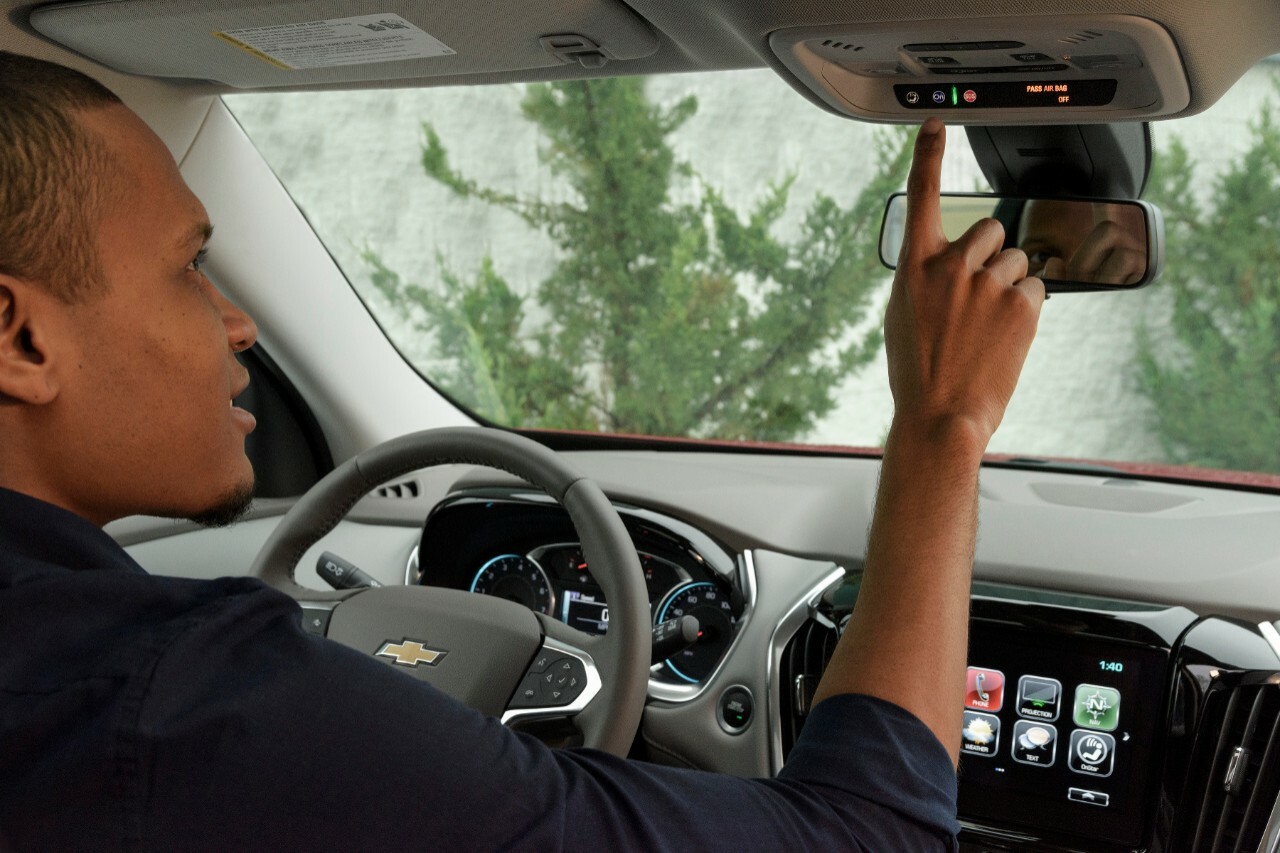


- Most new cars track how you drive through built-in telemetry.
- Some automakers share or sell that driving data to insurers.
- Drivers often consent unknowingly through clauses in paperwork.
You know your car has cupholders, a reversing camera, a load of bleeping safety tech and a lost french fry somewhere down in the crevasse between the seat and console that you just can’t seem to extract. What you might not realize is that your car could also have a side hustle as a data broker.
More: FTC Bans GM From Selling Your Driving Data, But Not For Long
Modern vehicles are rolling computers. Industry estimates suggest about 90 percent of new cars collect detailed driving behavior data, including speed, acceleration, braking and cornering. Automakers say this information helps improve safety, diagnose mechanical issues and enhance vehicle performance.
Hidden In The Fine Print
One driver CNN spoke to found that out the hard way after shopping for new insurance. He had braked hard the day before getting a quote, and when the insurer referenced that exact event, he was stunned. The source, he was told, was his own car’s telemetry system.
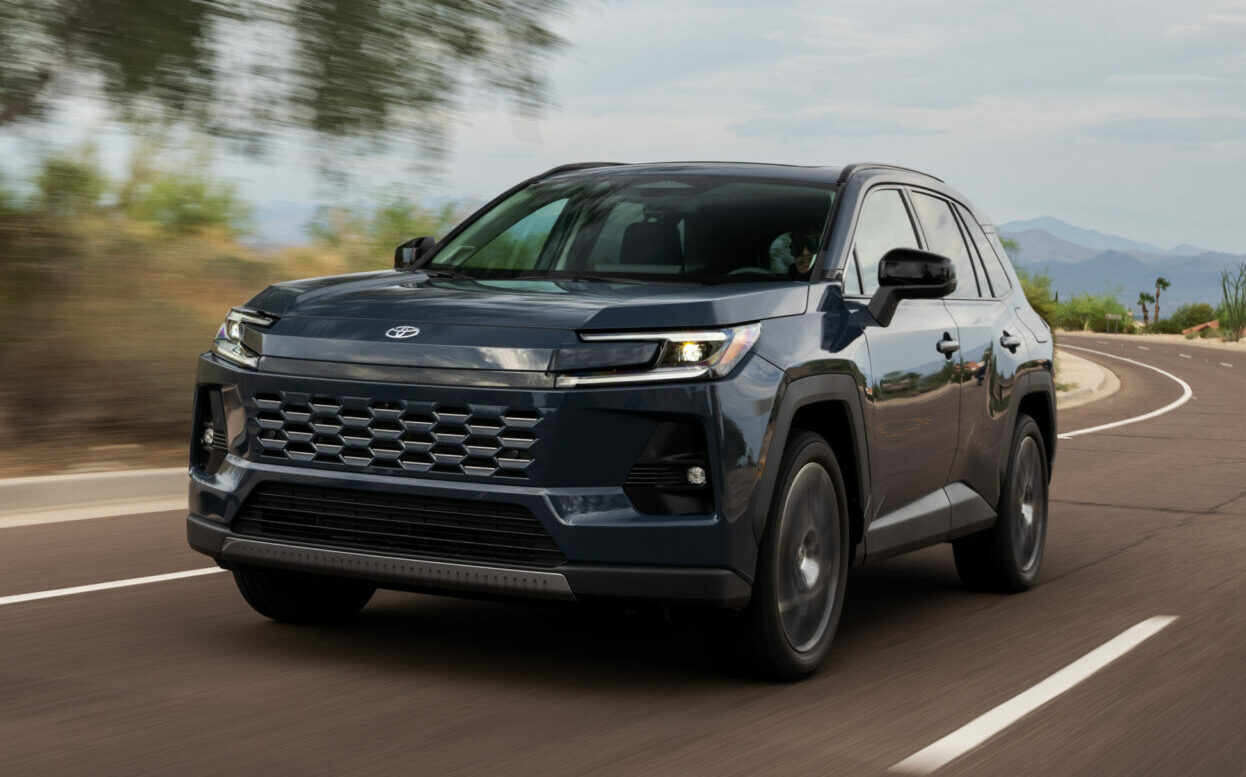
That driver, Philip Siefke, told CNN the insurer was Progressive. “I’m like, how the eff did they have my information?” he recalled. “I was pissed.” When he called to ask how the company knew about his braking, he said a representative told him the data was coming from his Toyota’s built-in telemetry. When he insisted he had not signed up for anything, he said she replied that most customers effectively do through the paperwork they sign.
Some manufacturers share or sell driving information to third parties, including insurers. Buyers technically agree to this in the purchase paperwork. The problem is that the consent is often tucked into dense contracts few people read closely while negotiating loan terms and warranties.
“Technically, they had permission,” said Sam Abuelssamid, an auto analyst with Telemetry. “It’s something that people should be aware of, but are not.”
The Feds Warned You
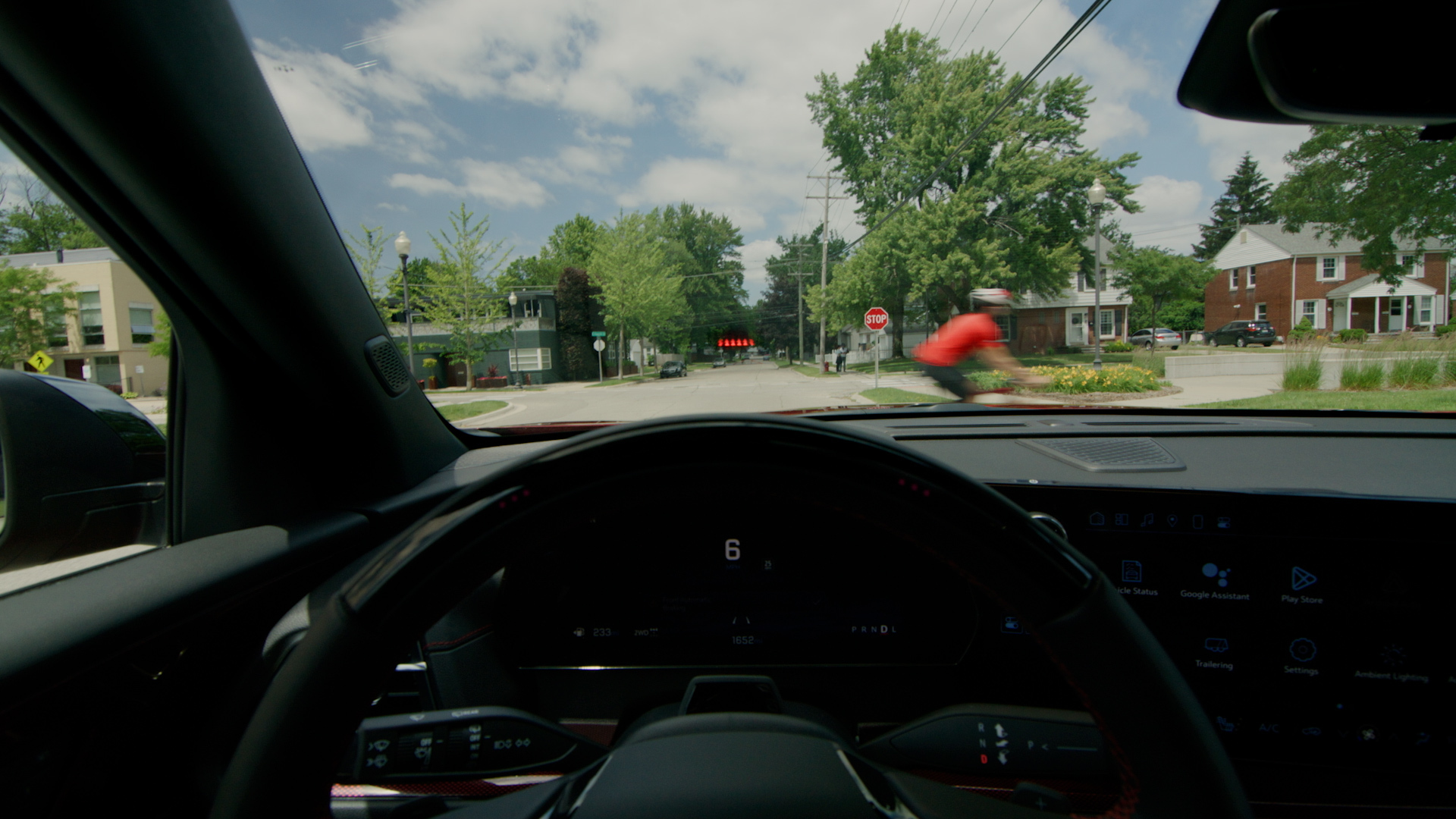
Regulators have taken notice. In 2024, the Federal Trade Commission (FTC) warned consumers that cars can collect sensitive personal data and that its use and disclosure may threaten privacy and financial welfare.
Then came a concrete example. Just last month, the FTC resolved a case against General Motors and its OnStar connected services unit. The agency barred GM from selling driving data to third parties for five years without adequately notifying consumers and obtaining affirmative consent. There was no financial penalty, but the order marked a clear signal that regulators are paying attention.
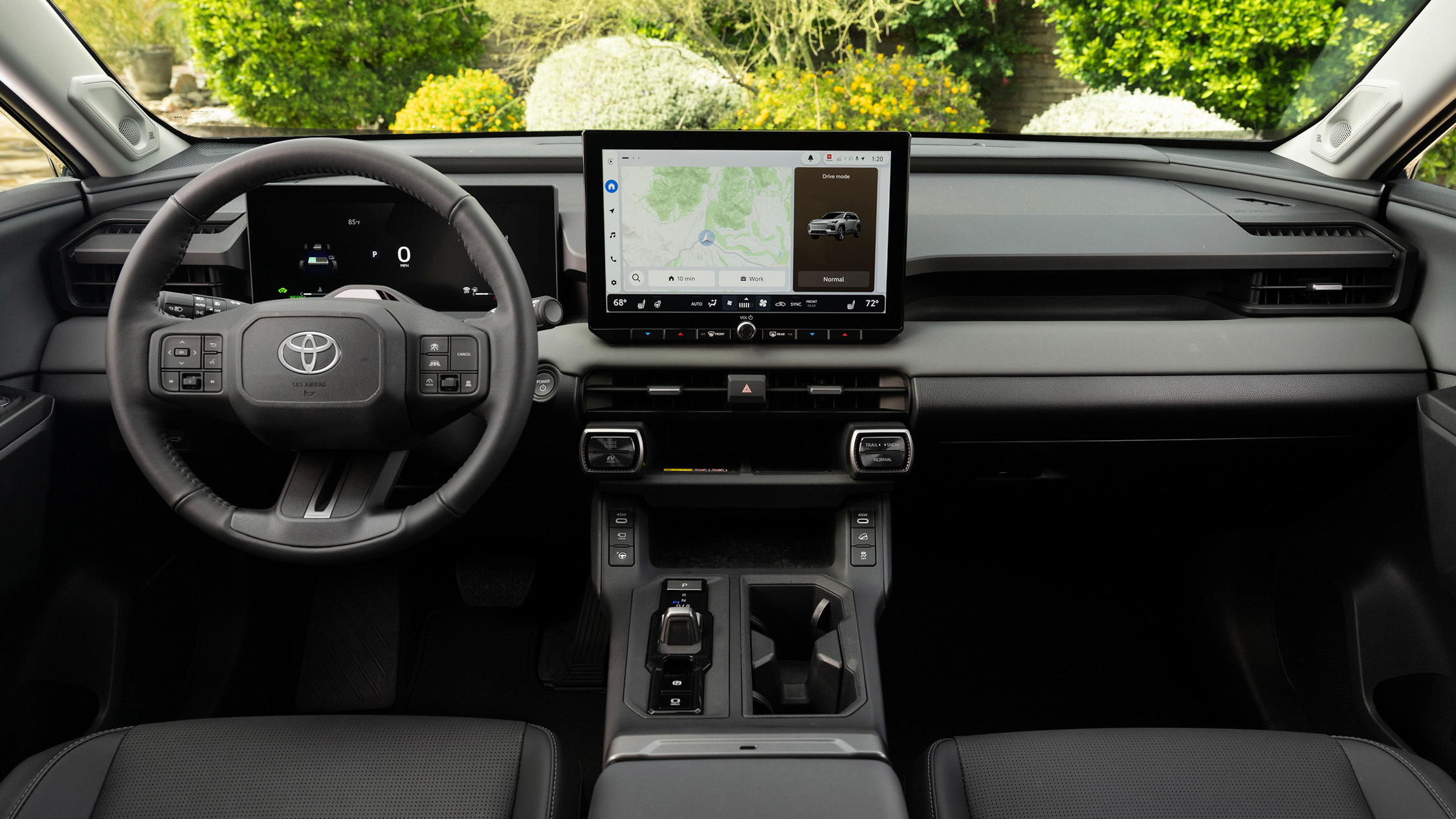
GM said it had already discontinued the practice a year earlier due to customer feedback and that the original goal was to promote safer driving behavior. Still, the FTC decision underscored how murky the consent process can be.
Insurance Pain
Meanwhile, real world consequences are showing up in insurance bills. The Toyota driver who discovered his data trail saw his premium jump sharply at renewal despite a long clean record. He initially secured a policy for less than $300 a month. Six months later, at renewal, the rate climbed to more than $400 a month.
His lawsuit against the automaker, insurer and a data provider is now headed to arbitration – another clause he unknowingly agreed to at purchase.
More: Toyota Owner Didn’t Know His Car Was Talking To Insurers Until He Saw His Rates
Toyota has said it only shares driving data with third parties “when the customer provides consent and directs Toyota Motors North America to do so.” Progressive did not respond to CNN’s requests for comment.
Industry groups insist connected cars aren’t spying. But when you press the start button, you may also be starting the insurance world’s version of a Twitch livestream, so you better behave or risk seeing your premium going up.