

- Rivian wins direct sales rights in Washington after dealer resistance collapses.
- Nearly 70 percent of buyers support skipping dealerships and buying directly.
- Other states may follow as pressure builds against traditional franchise laws.
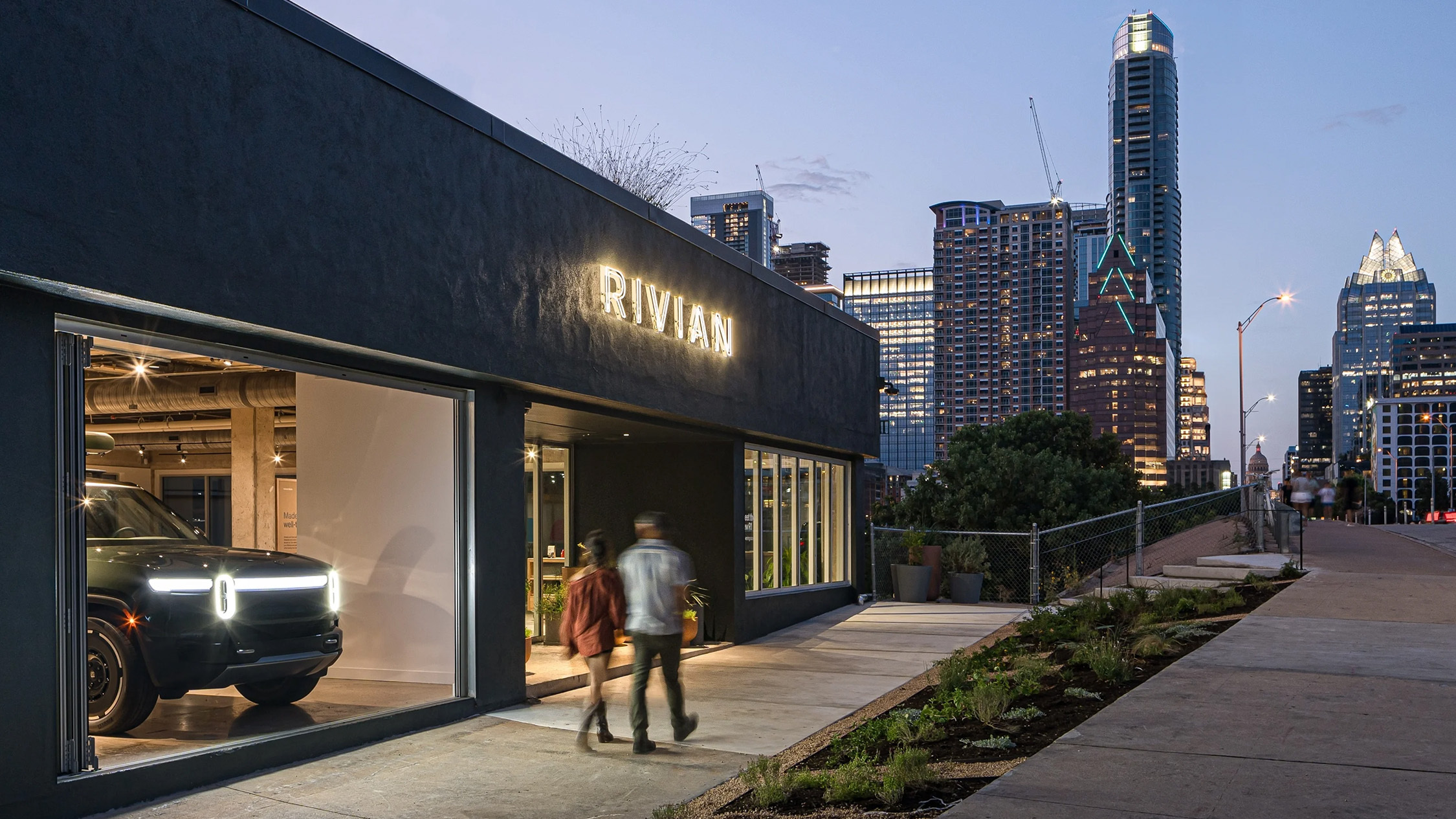
Rivian didn’t just win a fight in Washington this week when it was granted the right to sell cars directly to consumers. It might have started a war that will leave dealer groups across America far less powerful and profitable 10 or 15 years from now.
After years of getting blocked by dealer laws in Washington state, the EV startup pushed hard enough that the opposition simply stepped aside. The turning point came when Rivian threatened to take the issue to voters, a gamble that could have cost it up to $30 million. Faced with an expensive ballot battle, dealer groups backed off and supported a narrow law letting Rivian and Lucid – but no other brands – sell directly.
Related: More VW Dealers Sue, Say Scout Is A Shell Company Built To Cut Them Out
“The writing was on the wall,” said lawmaker Andrew Barkis to The Wall Street Journal. Once the resistance faded, the bill sailed through.
It’s a big moment in a long-running tug of war over how Americans buy cars. For decades, laws in most states have forced automakers to sell through independent dealers. That system isn’t going quietly, but Rivian just proved it can be bent, something Tesla already does, and VW is also trying to do with its new Scout brand.
Buyers Backed The Move
And the reason is simple. Buyers don’t love dealerships as much as the system assumes. Rivian’s own polling showed nearly 70 percent of people support direct sales in the same way that they like to get their sneakers from the Nike store or their new iPhone from an Apple outlet.
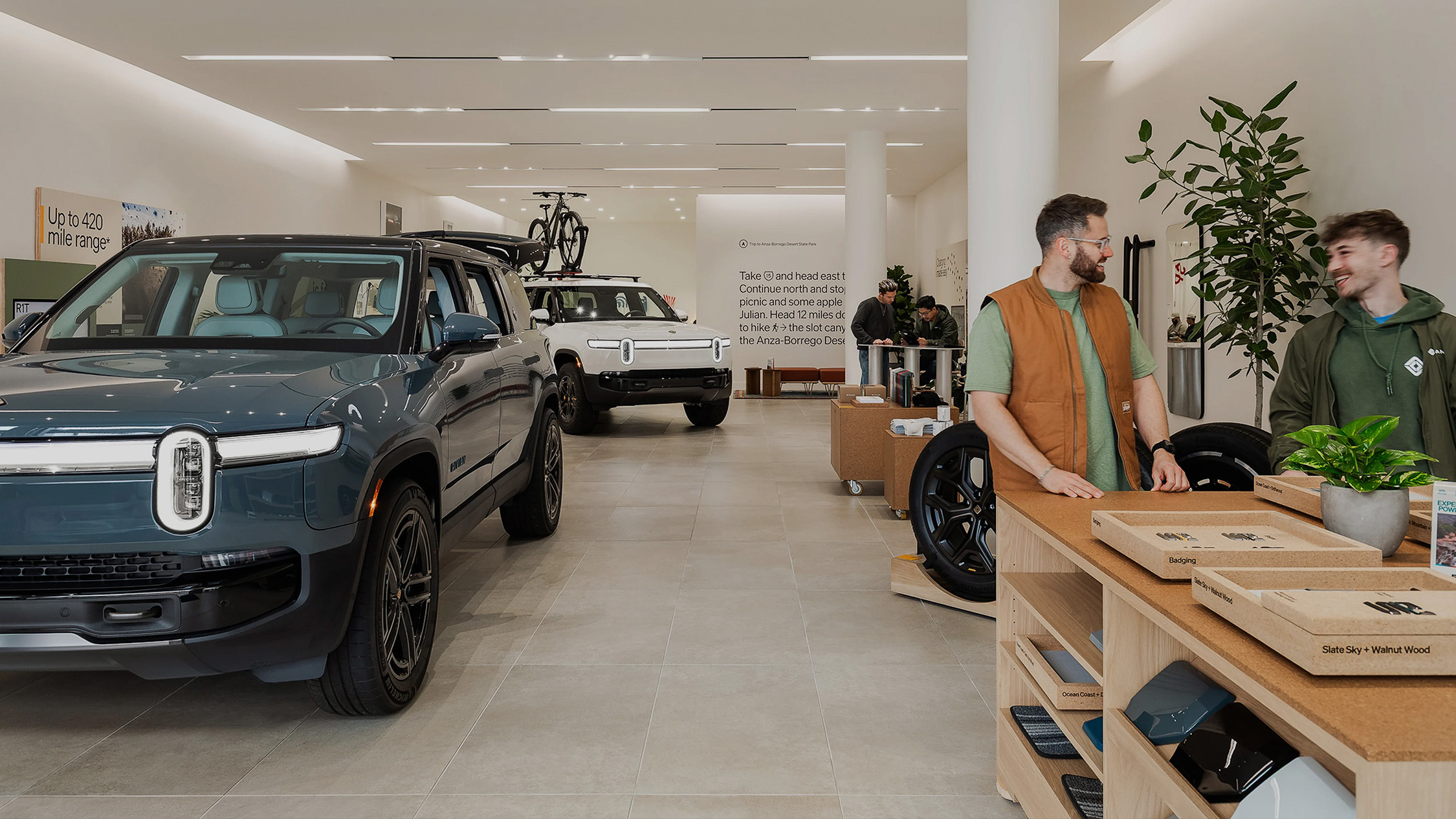
Rivian CEO RJ Scaringe says selling direct means more control, better margins, and a cleaner customer experience. But not everyone’s thrilled. Traditional automakers and dealer groups argue this creates an uneven playing field. They say franchise networks keep prices competitive and provide essential services like repairs and financing.
Limited Freedom
“The franchise model continues to be the ideal system,” Vicki Giles Fabré of the Washington State Auto Dealers Association told the WSJ in a statement. Still, even dealers seem to recognize the tide is turning. The Washington compromise is tightly limited, applying only to Rivian and Lucid, but it cracks the door open.
Now Rivian is eyeing other states where voters can be brought into the fight. Places like Ohio and Oklahoma could be next, and if this strategy keeps working, the patchwork of sales laws might start to unravel.