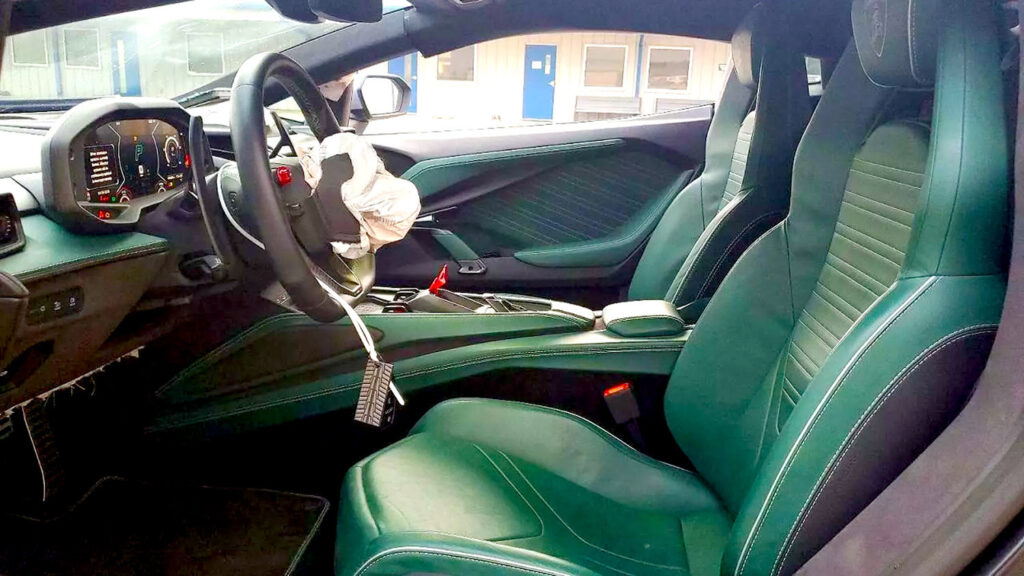


- Rolls-Royce delays EV-only plan as customers continue demanding traditional V12s.
- Electric Spectre remains, but petrol models stay as brand pivots to demand-led strategy.
- Regulatory changes and market hesitation give Rolls-Royce room to rethink EV timeline.
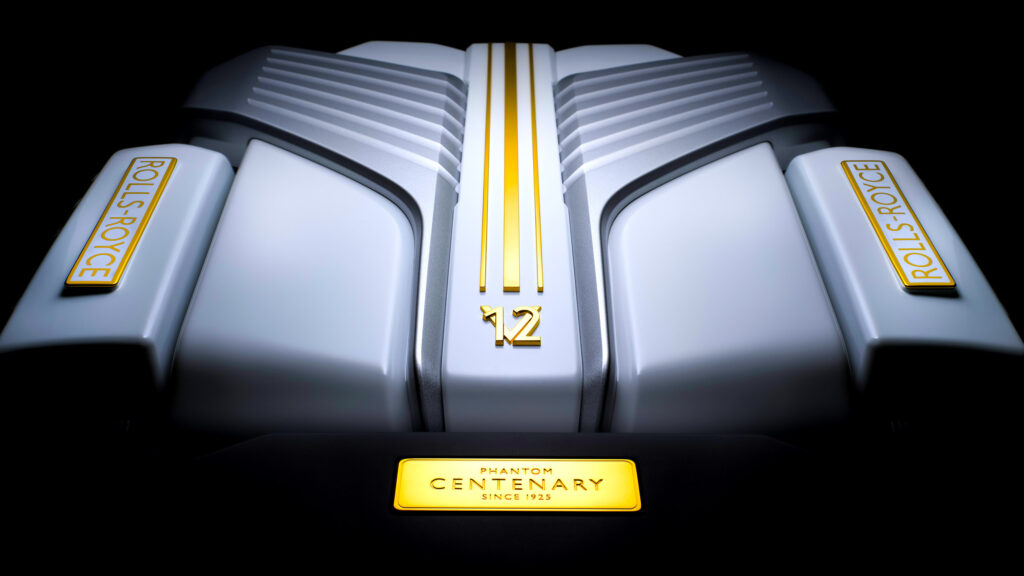
Rolls-Royce once promised a whisper-quiet electric future. Turns out, its customers still prefer a different kind of whisper. The kind that comes from a silky V12 under a mile-long hood.
The British luxury marque has quietly backed away from its plan to go fully electric by 2030. Instead, it’ll keep building petrol-powered cars well into the next decade, because that’s what its ultra-wealthy clients are still asking for. And when your customers are dropping $400,000 or more on a car, you tend to listen.
More: Six Figure Rolls-Royce Spectre Discounts Raise The Question Why Are Rich Buyers Avoiding EVs
According to CEO Chris Brownridge, demand for EVs just isn’t universal among Rolls buyers.
“For every client that loves an electric vehicle there is one who does not,” said Brownridge, according to The Times. “We recognise some clients would rather have a V12 engine. The V12 is part of our history.”
It’s also part of the experience. Rolls-Royce buyers aren’t chasing lap times or charging speeds. They want effortlessness, presence, and that unmistakable waftability a big combustion engine delivers.
Though we can’t help thinking it’s maybe more about knowing there’s a V12 up front rather than experiencing it. A smooth, silent, effortlessly responsive electric motor setup like the one in the Spectre (seen below) that Rolls launched in 2022 seems like a logical fit for a uber-luxury sedan or coupe in the way it’s not for a $1 million hypercar that’s all about noise, drama and emotion.
Regulations Are Also Shifting
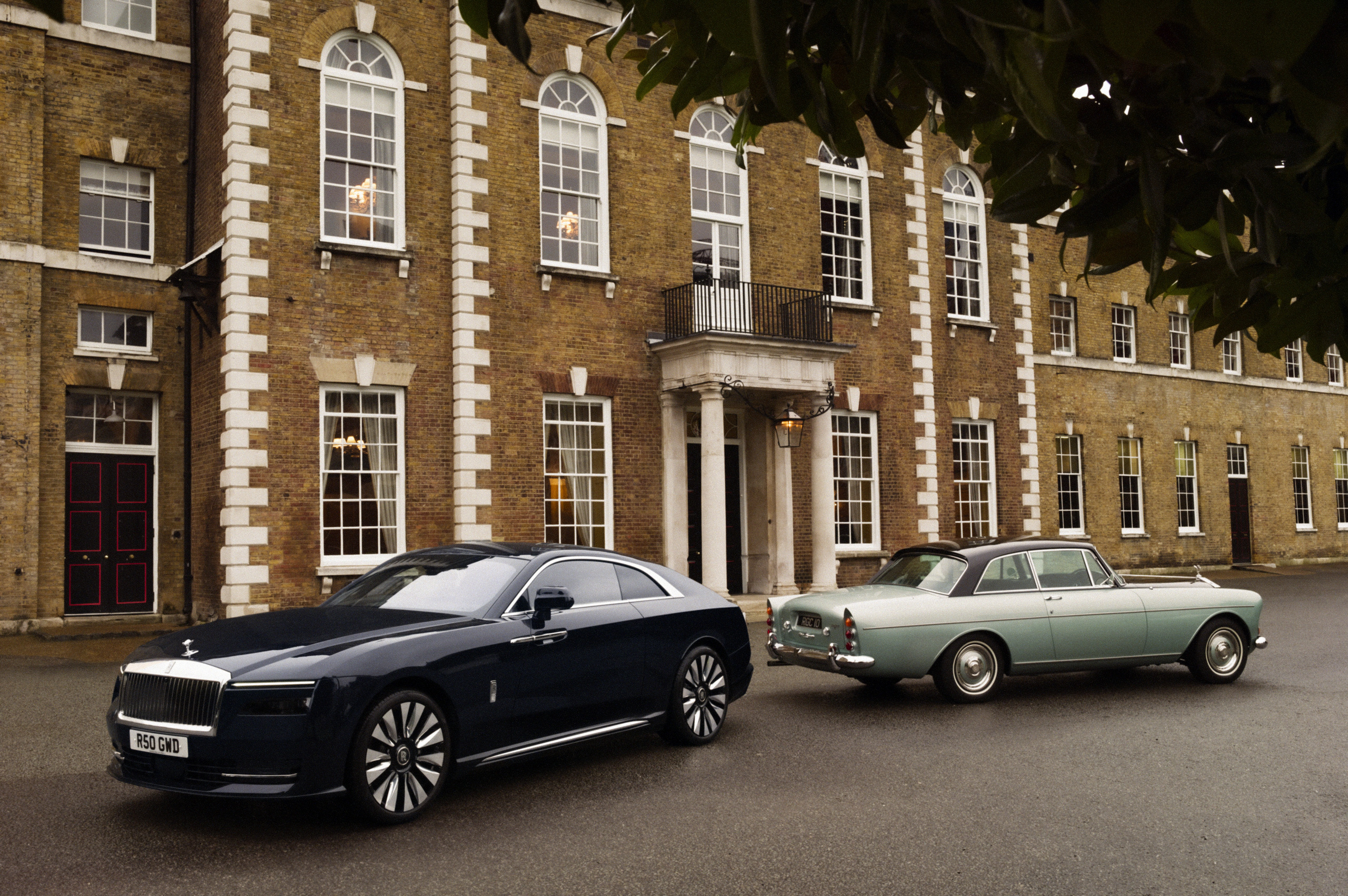
The shift isn’t just about customer taste, anyway. Changing regulations have played their part. Softer government EV targets in key markets have given Rolls-Royce more breathing room, and since it operates as a low-volume manufacturer, it isn’t bound by all of the same rules as mass-market brands.
That flexibility matters. Rolls builds cars to order, meaning it can adapt to what clients actually want rather than chasing arbitrary production targets. Right now, that means a mix of electric and petrol, not an abrupt switch to one or the other.
Rolls-Royce isn’t alone in hitting the brakes. Bentley, Aston Martin, and Lamborghini have all softened their EV timelines as reality catches up with ambition.