








- NHTSA upgrades FSD probe to engineering analysis stage.
- Over 3.2 million Tesla vehicles are included in investigation.
- FSD may fail to detect vehicles in low visibility conditions
The NHTSA has intensified its scrutiny of Tesla’s Full-Self Driving system, focusing on how it copes when visibility drops. That escalation pushes the probe closer to a potential recall, one that could affect more than 3.2 million vehicles across the United States.
The agency first opened a preliminary evaluation in October 2024 to assess FSD’s ability to detect and respond appropriately in reduced roadway visibility. That probe has now been upgraded to an engineering analysis, which will examine how the vision-only system behaves in adverse conditions and whether it can alert drivers with enough time to react.
Read: Tesla Owners Furious After FSD Transfer Rules Change Again
According to regulators, Tesla developed and implemented a degradation detection system after transitioning to its camera-based vision setup in mid-2021, abandoning radar and other sensors. The company began working on an update to this system in June 2024, following a report of a fatal crash involving one of its vehicles on November 28, 2023
Rain Is FSD’s Enemy
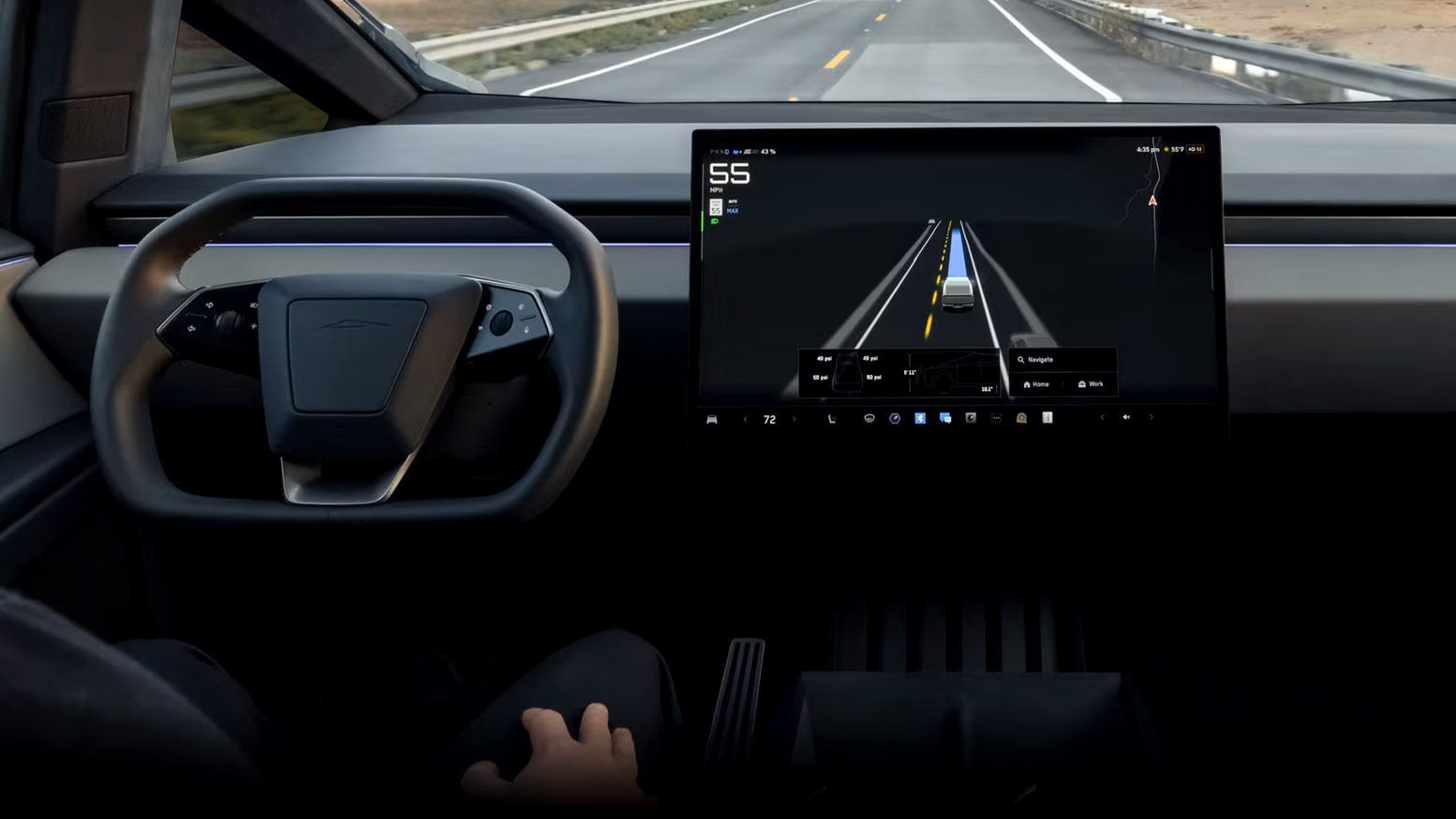
In its preliminary evaluation, the NHTSA began piecing together how Tesla’s Full Self-Driving system behaves in less-than-ideal conditions. The agency learned from Tesla that FSD’s ability to detect and respond to poor road conditions may have contributed to 3 of the 9 incidents identified by the Office of Defects Investigation (ODI).
In the crashes reviewed, the system failed to recognize common roadway conditions that affected camera visibility and did not issue alerts when camera performance degraded until just before impact.
A subsequent review of Tesla’s responses uncovered other crashes that occurred under similar circumstances. In these cases, the FSD system also lost track or “never detected a lead vehicle in its path.” The NHTSA also notes that Tesla says internal data and labeling limitations have prevented a uniform identification and analysis of crash events with the system engaged, meaning there is a possibility of under-reporting crashes.
The probe covers an estimated 3,203,754 Tesla vehicles, including the 2016-2026 Model S and X, 2017-2026 Model 3, 2020-2026 Model Y, and 2023-2026 Cybertruck models equipped with FSD.