

- VW’s CEO says physical buttons and door handles are simply non-negotiable.
- Usability failures in the Mk8 Golf and ID models forced a company-wide reset.
- The brand will study camera footage of real drivers to guide interior decisions.
Volkswagen built its reputation on quality. Most of its products weren’t particularly pretty or engaging to drive, but they were built well. But in the past decade, the brand lost its focus, opting for hollow tech features. Since that change, critics and customers alike have balked at the move, and the CEO now admits the misstep and unveils his plan to course correct moving forward.
Read: MG’s $13K SUV Thinks Hand Gestures Beat Buttons
Speaking at an event in Hamburg, Volkswagen boss Thomas Schäfer told Top Gear that usability mistakes in recent models forced the company to rethink how it designs cars. That’s especially important after complaints about the Mk8 Golf and early ID-series EVs.
Schäfer, who took the top job in mid-2022, says the old approach started with long feature lists that customers never felt comfortable using. “Now we think about people,” he said. “Who is the car for? Who is driving it?”
Why VW Is Bringing Back Physical Controls
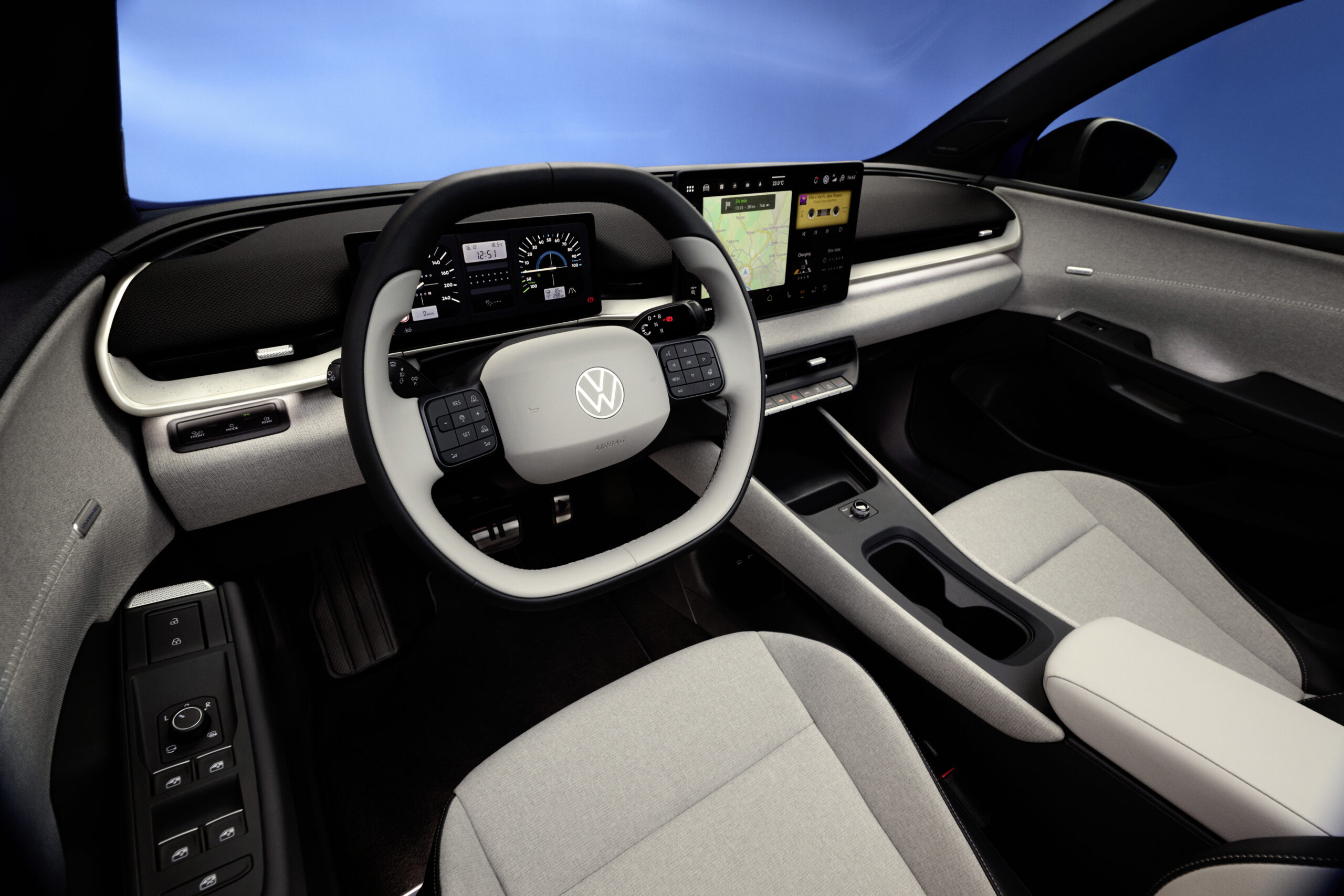
According to Schäfer, Volkswagen lost sight of what made its cars popular in the first place. Instead of focusing on intuitive controls and everyday usability, the company leaned too hard into minimalist, tech-heavy interiors inspired by smartphones and consumer electronics. He noted that earlier development processes prioritized long feature lists, even when the end result felt unintuitive to use.
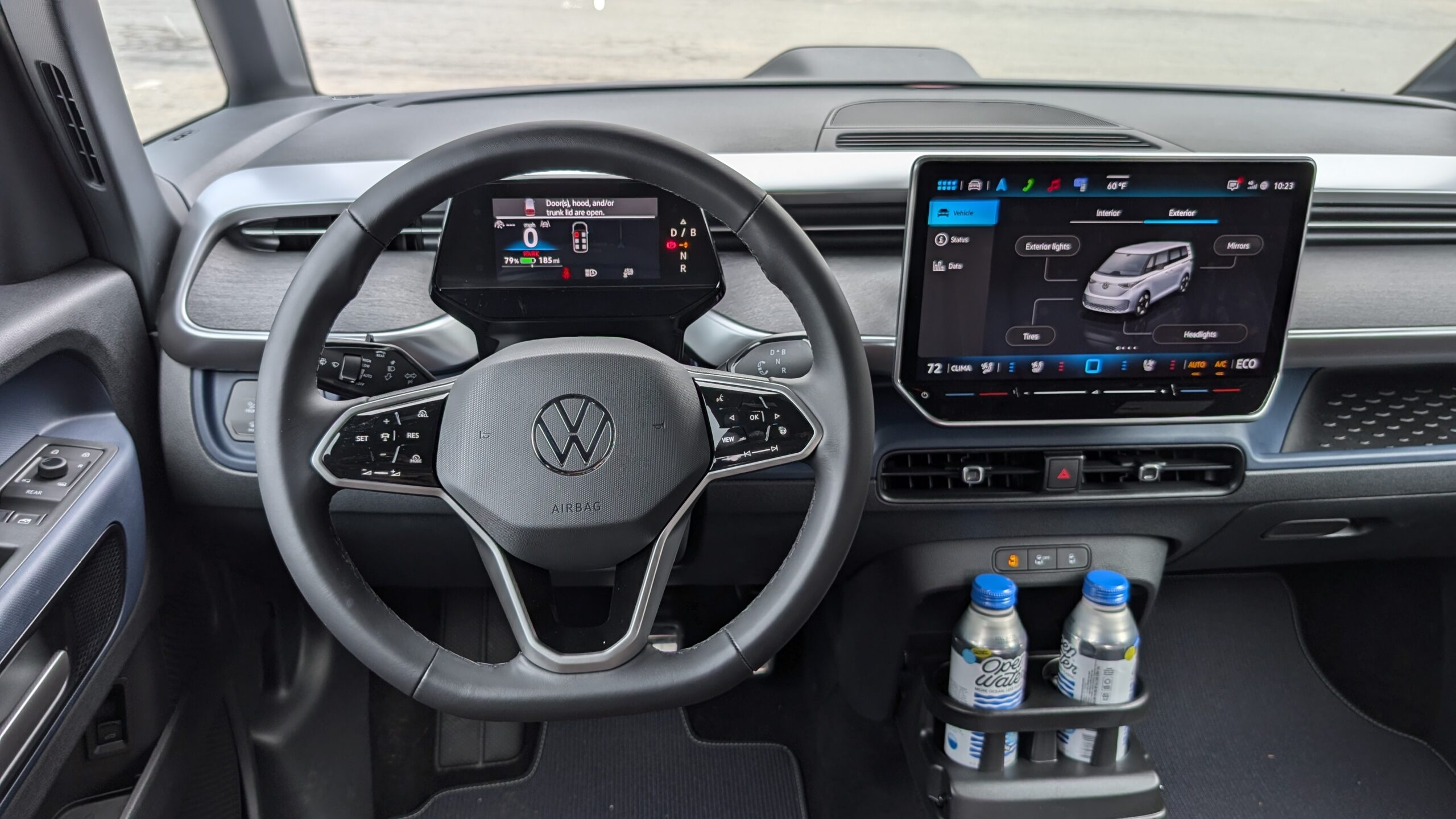
That approach led to touch sliders for climate controls, haptic steering-wheel buttons, and hidden functions buried inside infotainment menus. These changes drew criticism from reviewers and owners alike.
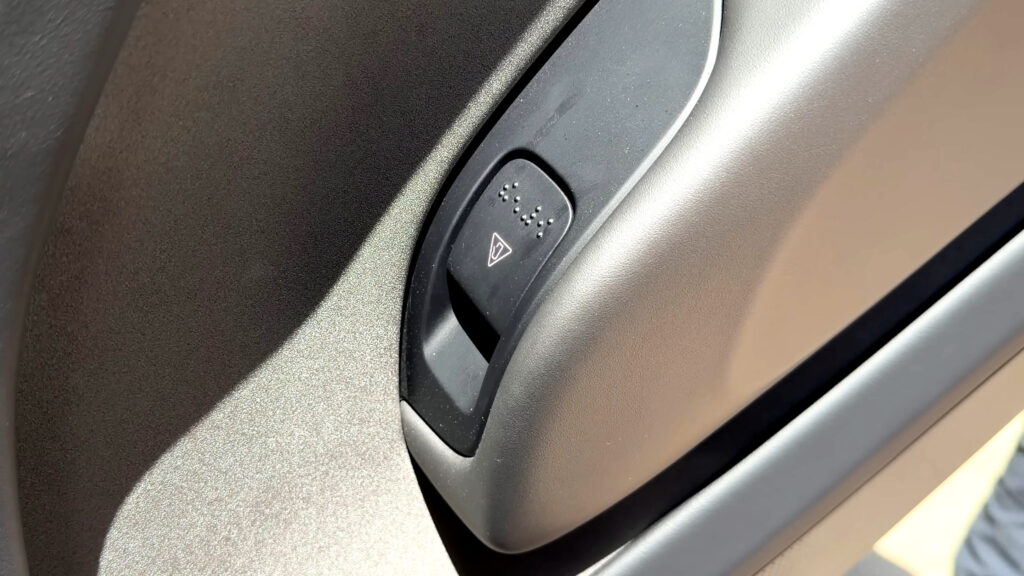
Schäfer says the reset is already underway, and the new rule is simple. “A door handle must be intuitive,” he said, adding that arriving at a car with your hands full should not require learning a new interface. He also made it clear that physical controls are no longer optional, calling door handles and buttons “non-negotiable.”
What Is The Secret Sauce?
His design team, led by Andreas Mindt, is now working to three guiding principles: stable, likeable, and what Schäfer calls “secret sauce,” meaning cars that feel immediately familiar and easy to understand.
“We are doing customer clinics a lot,” he says. “Asking ‘what do we need a button for?’ We are testing with data, using cameras inside the car to see what the customer uses and where they are looking.”
These changes are no doubt going to be popular. As we’ve pointed out several times, industry leaders are beginning to recognize the general distaste towards controls like these. In the door handle space alone, several brands are working to incorporate more intuitive physical controls into their cars this year. We’ll be on the lookout for how Volkswagen implements these features moving forward.