- The war could reduce new car sales by almost 1 million units this year.
- The impacts will only grow the further the Strait of Hormuz is closed.
- Car sales will likely remain constrained in 2027 even if the war ends.
The longer the war in Iran lasts, the worse the effects will be, including on the automotive industry. While it’s surging oil prices that are generating most of the headlines, the war is expected to contribute to a significant slide in global car sales this year.
Many shipping companies now consider the Strait of Hormuz as a no-go zone, even though it’s not officially closed, triggering an array of supply chain disruptions. If the Strait remains like this through April and then slowly reopens, it could lead to 800,000 to 900,000 fewer new cars being sold this year.
Read: Iran Just Named Tesla And A Dozen Other American Giants As Military Targets
Presuming this happens, roughly 200,000 of these lost units could come from Gulf Cooperation Council countries, including Bahrain, Kuwait, Oman, Qatar, Saudi Arabia, and the UAE, all of which have already experienced significant disruptions in the supply of new vehicles. This will trigger longer wait times and higher vehicle prices, and cause freight, insurance, and logistics costs to balloon.
Effects To Last Through 2027
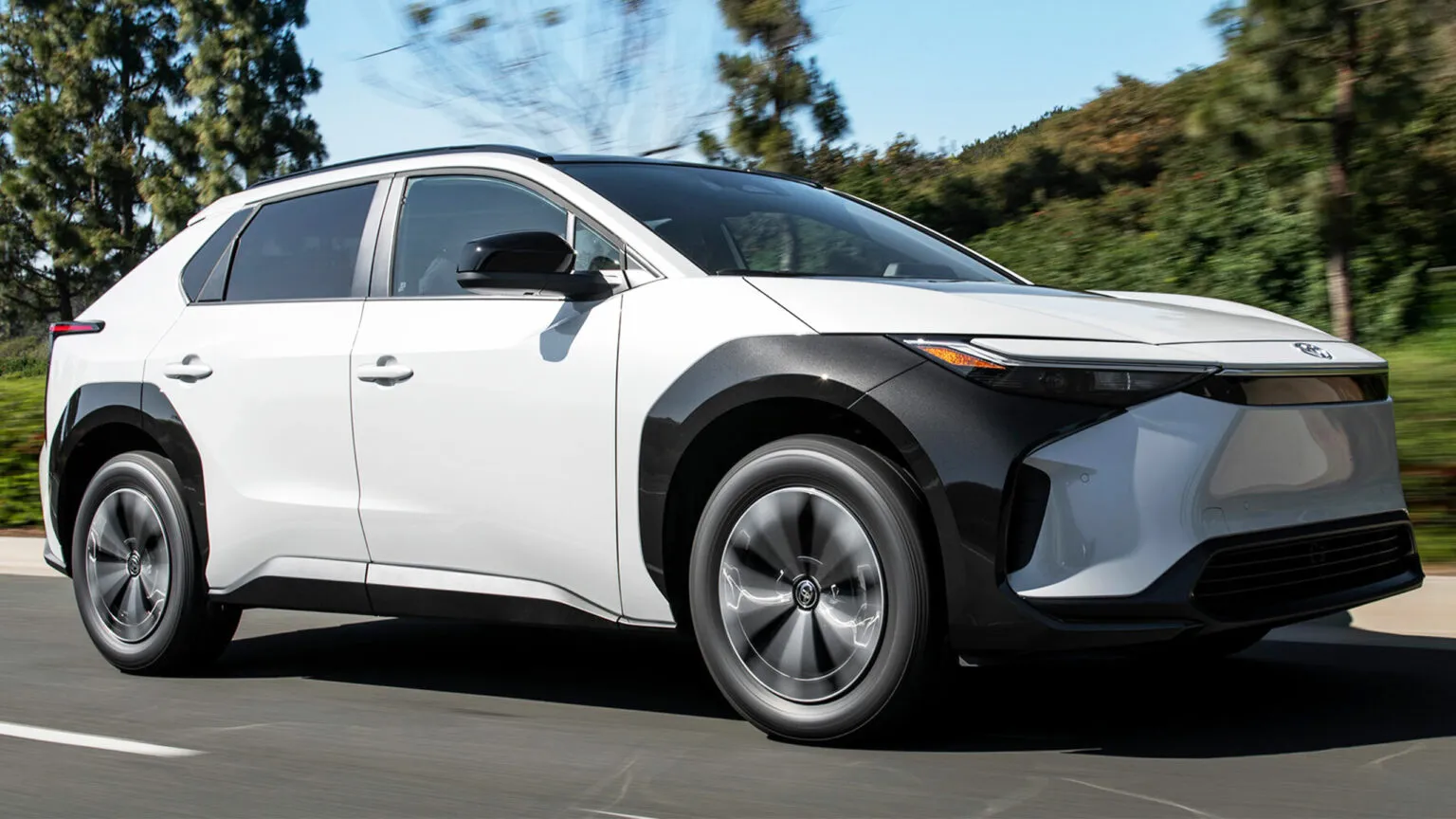
S&P Global Mobility predicts that if the Strait of Hormuz begins to reopen after April, normal shipping levels probably won’t resume until the second half of 2026. As such, it’s not just this year’s new vehicle sales that could be impacted, as 500,000 fewer vehicles may also be sold in 2027 as a direct result of the conflict.
Total vehicle production could be impacted. Analysts note that the Asia-Pacific region is being hit hard by oil supply disruptions and price hikes, and vehicle production in Japan, Korea, and China may slow.
Importantly, these impacts are only likely if the war comes to a close in the coming weeks, allowing normal operations through the Strait of Hormuz to return. If this doesn’t happen, or if the war drags on for months, or even years, as has been the case with other conflicts in the region, the effects will be even worse.