- Patent filings in Russia show what appears to be Lada’s Niva successor.
- The T-134 project began under Renault and survived the partnership’s collapse.
- A 2028 launch was once the plan, but development has frozen more than once.
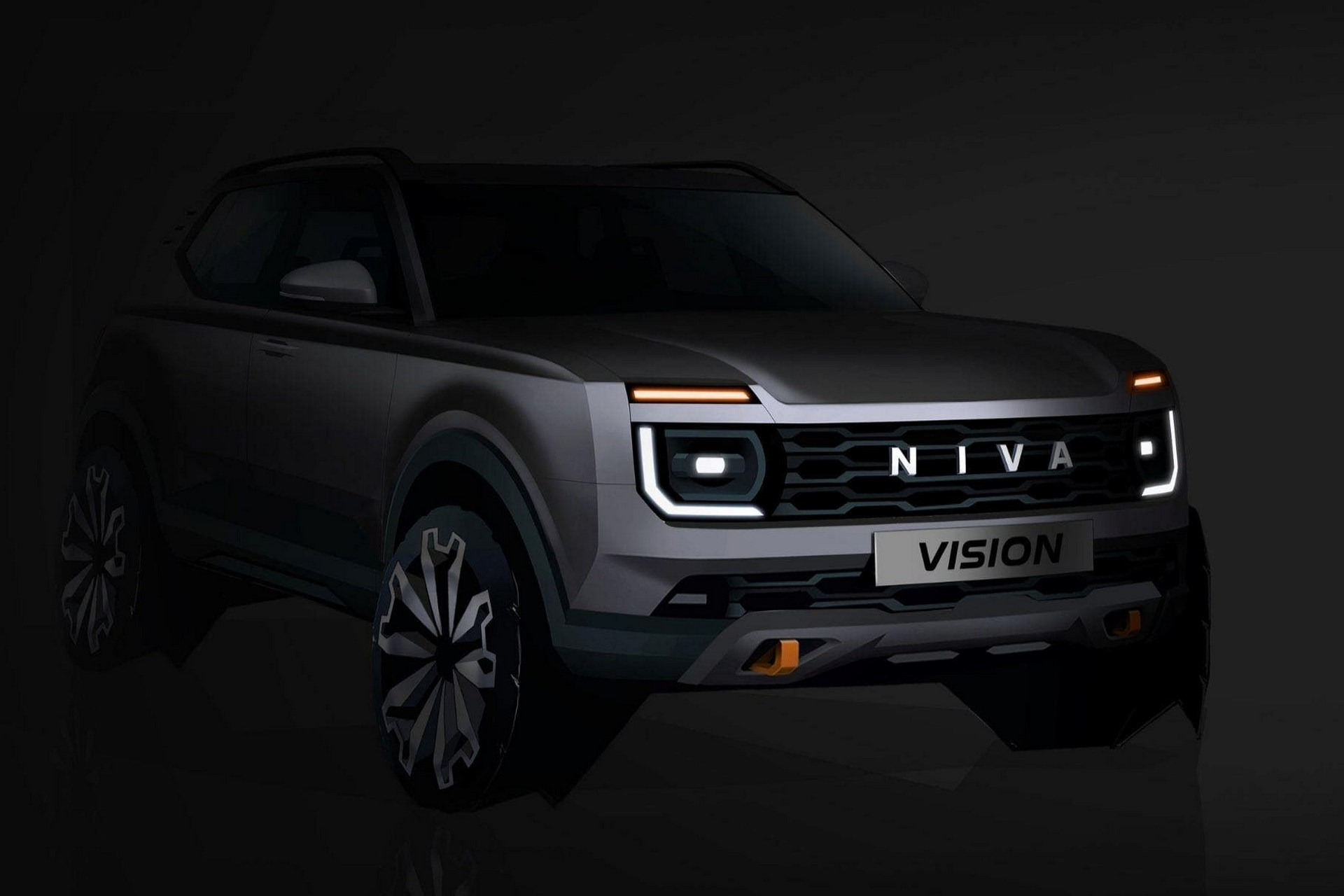
The Lada Niva is a Russian icon, and fresh patent images suggest that an all-new version could be around the corner. The modern Niva looks appropriately chunky and almost fitting of a Dacia badge, although the resemblance doesn’t appear to be accidental.
These patent images were filed with Russia’s Federal Institute of Industrial Property (FIPS) on December 2025, although they just went public. The design of the SUV is consistent with the official teaser sketch from 2021, as well as the full-size prototypes seen within Lada facilities.
Read: Lada’s Most Extreme Niva Ever Is Built To Conquer Mountains
While Avtovaz is keeping its cards closed about a potential launch date, there is a chance we might be looking at a future production model that could arrive within the next couple of years.



FIPS
The front end includes a blacked-out grille and has orange-tinted turn signals positioned above. The main headlamps, complete with circular daytime running lights, then sit on either side of the grille. Some minor tweaks have been made to the vehicle’s bumper compared to the original concept, making it look a little chunkier and better suited to a somewhat rugged SUV like this.
More: New Lada Niva Sport Now Offers A Blazing 122 HP—Watch Out, World
Key elements visible from the sides include pronounced black fender flares and prominent roof rails. You’ll also notice the rear door handles have been positioned on the C-pillars. As for the rear, it includes a black and color-matched bumper alongside taillights with LED light signatures that, although relatively simple, give it some character.
The Dacia Duster resemblance isn’t coincidence. The T-134 project kicked off while Lada was still under the Renault umbrella, and development carried on after the partnership dissolved in the wake of Russia’s invasion of Ukraine.
Like the Iskra sedan, the SUV was originally meant to sit on a heavily localized version of the Renault-Dacia CMF-B platform, though some reports suggest it could instead borrow the older Vesta architecture. Either way, expect Lada’s familiar 1.6 and 1.8-liter engines to handle powertrain duties.
Will It Hit The Roads?
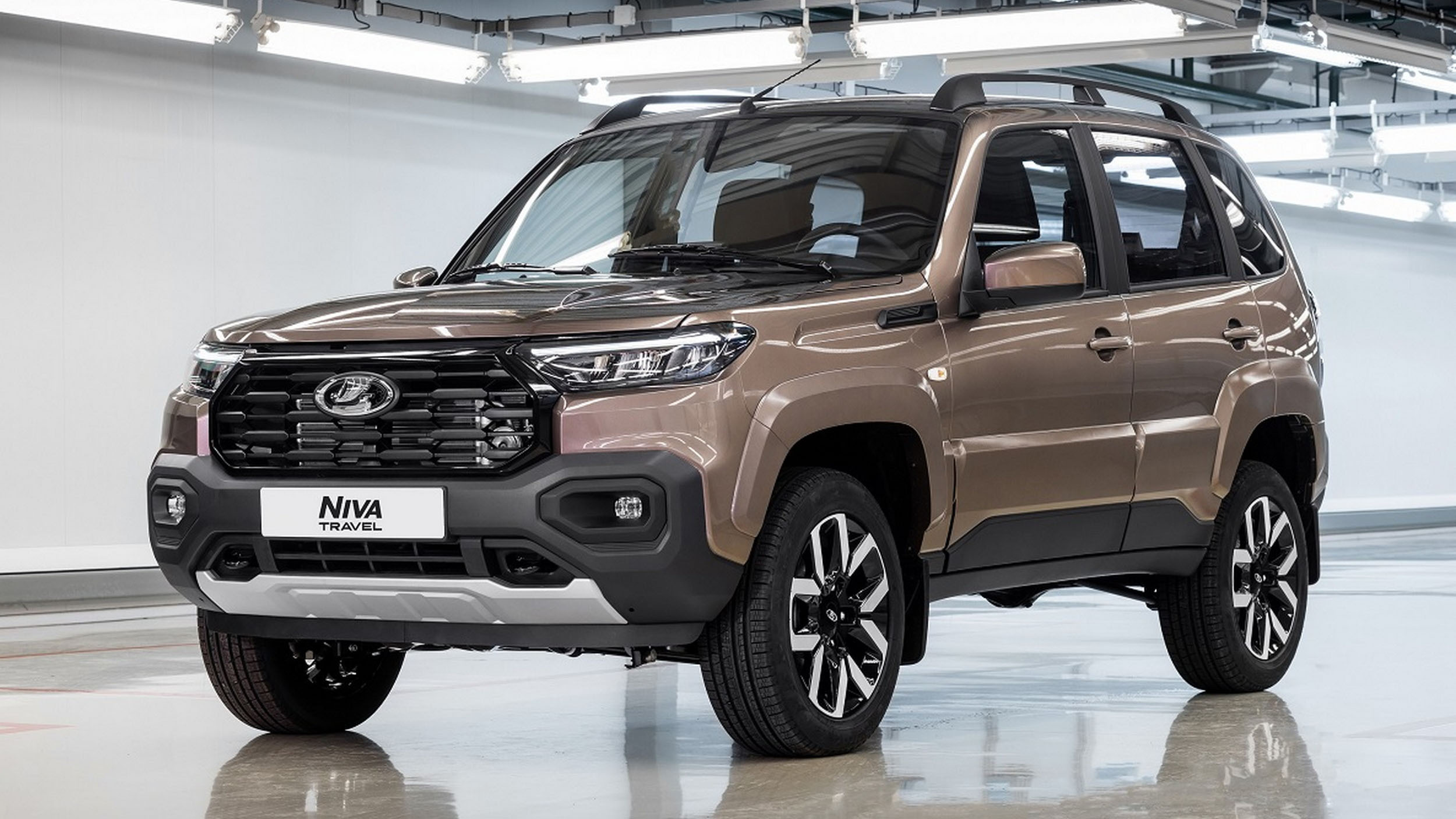
Lada’s current SUV lineup includes the classic Niva Legend that has been around largely unchanged since 1977, and the more modern Niva Travel that traces back to 1998 with facelifts in 2003, 2021 and 2025. Joining them later this year is the all-new Lada Azimut, which shares its bones with the Vesta sedan.
More: Lada Breaks Three Decades Of Silence With Its First New SUV
A new-generation Niva was initially pegged for 2028, though development has reportedly been frozen and restarted multiple times over the past few years.

The Lada Niva Legend (above) and the Niva Travel (below).