- Porsche won’t build a fully electric 911 this decade.
- The iconic sports car will rely on hybrid setups instead.
- The 718 family will be the first to take the EV road.
The purists can exhale. Porsche has no intention of building a fully electric 911 for the foreseeable future, sticking with combustion and hybrid power for the model that more or less defines the brand.
The experimentation will happen elsewhere. The next-generation 718 Cayman and Boxster are still on track for battery power, even after internal reviews and program delays threatened to muddy that plan. Both cars will be sold as EVs alongside combustion variants that will sit higher in the range.
More: The 911 Turbo S Sadu Edition Pairs 701 HP With A Craft Older Than Porsche Itself
Daniel Schmollinger, CEO of Porsche Cars Australia, spoke to local media CarSales about electrification plans in the sports car segment:
“We will go with the 718 electric as the first two-door electric sports car. The 911 for the moment stays what it is. With the T-hybrid technology, it shows what is possible without a full battery but still making use of this amazing technology.”
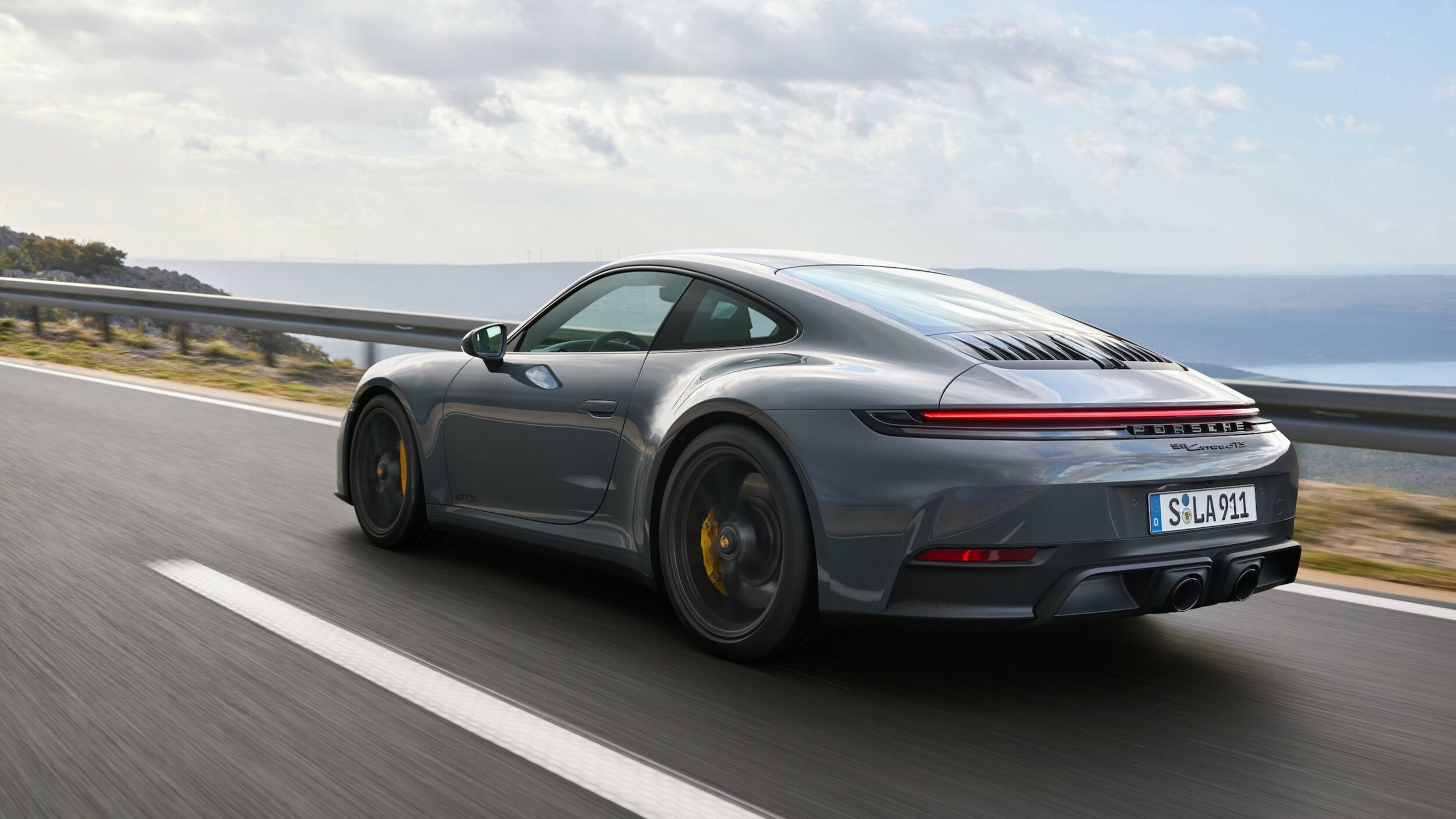
Porsche has always positioned the 911 as the last combustion model standing, even in a future where the rest of the lineup went electric. The plan has not changed, though the context around it has. Weaker EV demand has forced Zuffenhausen to walk back its electrification timeline, which only pushes a battery-powered 911 further into the realm of the hypothetical.
More: Porsche’s Next Hybrids Could Get A Trick New Electric Motor
The T-Hybrid system used in the GTS and Turbo S trims of the 992.2 generation leverages electrification to boost performance without taking on the weight penalty of a battery electric setup. Expect Porsche to follow a similar path for other members of the lineup, while sticking to non-hybrid solutions for iconic models like the GT3 RS.
The Macan Case
Schmollinger touched upon the subject of the Macan EV, admitting that initial sales volumes are no match for those of its aging petrol-powered predecessor. The latter will soon bow out of production in Germany, with Porsche stockpiling examples to meet market-specific demand.
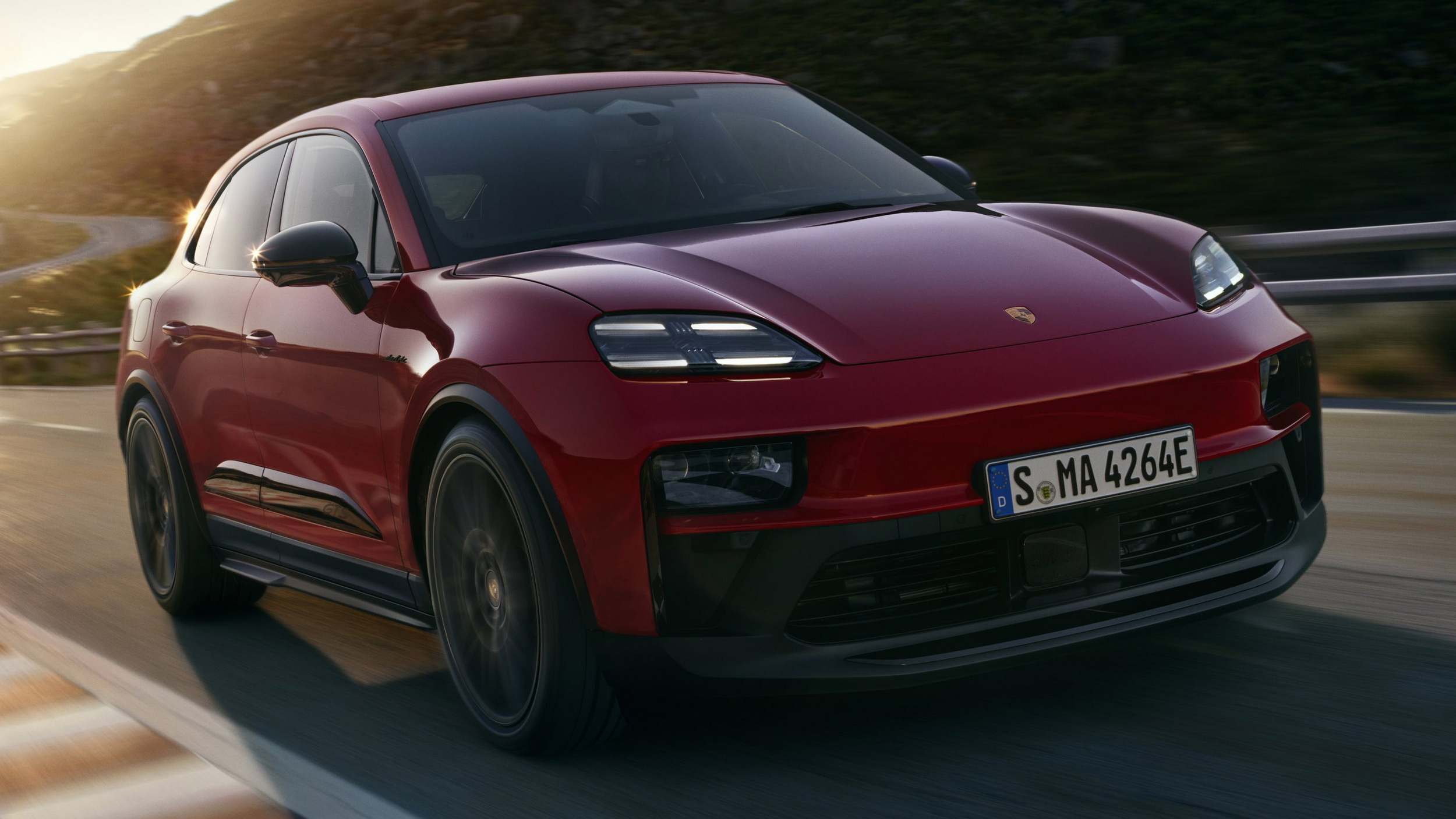
Nevertheless, the CEO of Porsche Australia attributes the lack of interest for the EV to consumer readiness rather than the vehicle itself: “It’s not a decision against the car, or the Macan as such, it’s a decision against not being ready for electric. That’s totally fine. Everyone needs to choose the technology and the car they’re comfortable with.”
Hedging Across The Lineup
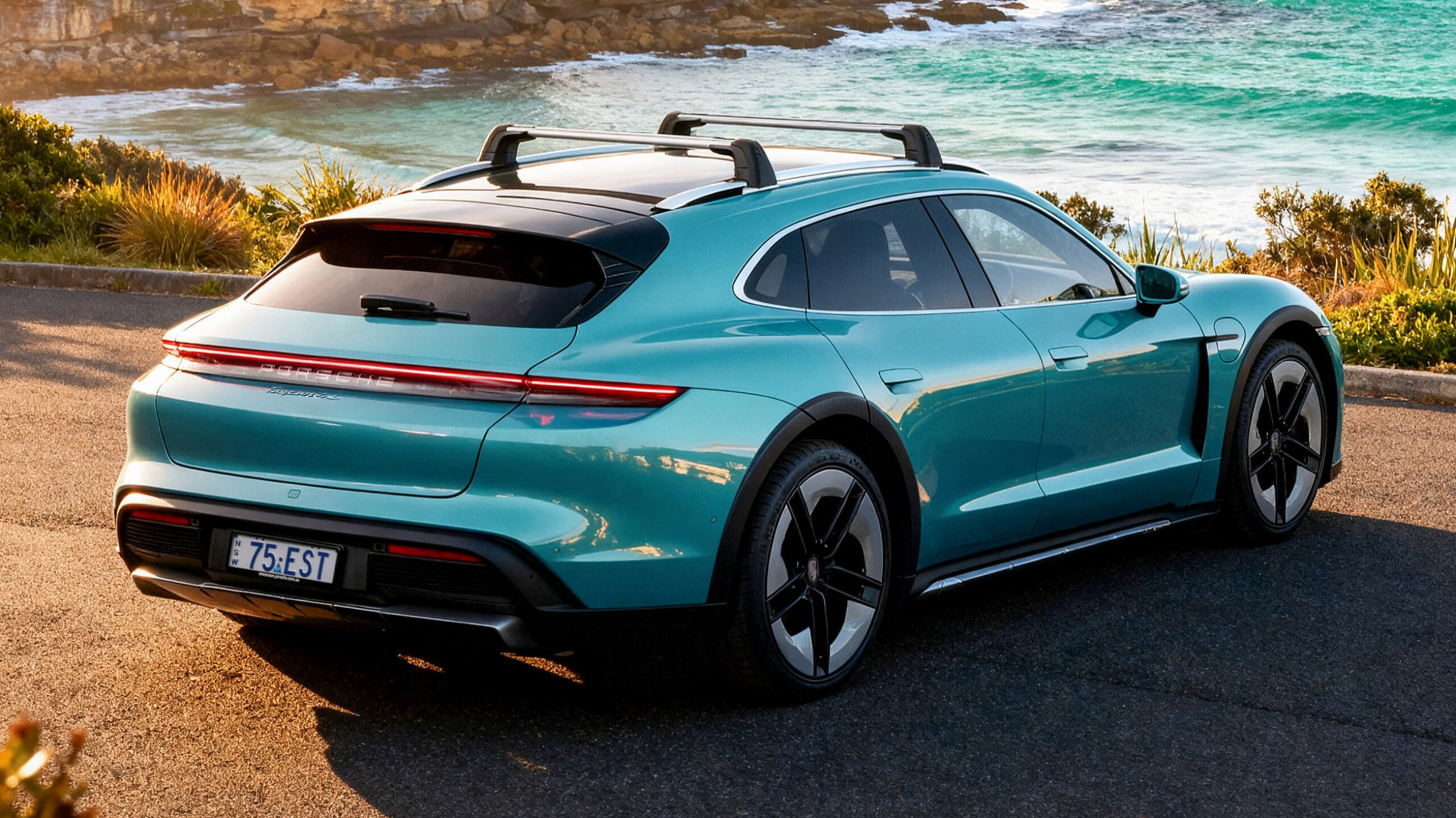
The response across the rest of the range is to offer everything. The Cayenne is sold with gasoline, plug-in hybrid, and full electric powertrains, and a hybrid version of the next Macan is in development to run in parallel with the EV. It is a portfolio built to absorb whichever direction the market actually moves.
More: Porsche’s EV Gamble Is Going So Well It’s Even Closing Its Ebike Arm And 500 Jobs
Synthetic fuel, the other lever Porsche has been pulling, remains a long way from relevance. Schmollinger admits the technology is “far from mainstream.” He also notes that he drives an EV himself, and that Porsche always expected EV adoption to move at different speeds in different markets, depending on charging networks, policy, and consumer appetite.