


- Repossessions are back near Great Recession-era levels amid record auto debt.
- Longer loans and higher payments are pushing more borrowers into default.
- The data suggests affordability, not irresponsibility, is driving the trend.
For years, the automotive industry has focused on monthly payments rather than vehicle prices, and now the bill is coming due. Americans owe roughly $1.7 trillion in auto debt, repossessions have climbed to levels last seen during the Great Recession from 2007 to 2009, and lenders are increasingly finding themselves reclaiming vehicles from borrowers who simply can’t keep up. The blame doesn’t land on the repo industry, the financing, or reckless buyers.
A recent investigation by The New Yorker laid bare plenty of dramatic human stories around repossessions. Beyond the anecdotes, the wider trend all comes down to economics. According to the report, only two out of ten new vehicles and four out of ten used cars are purchased outright. That leaves everyone else financing. That makes sense to a degree, given that the average price of a new car last year topped $50,000. Since 2019, the average monthly payment for a car has jumped by roughly $300.
Longer Loans, Bigger Payments

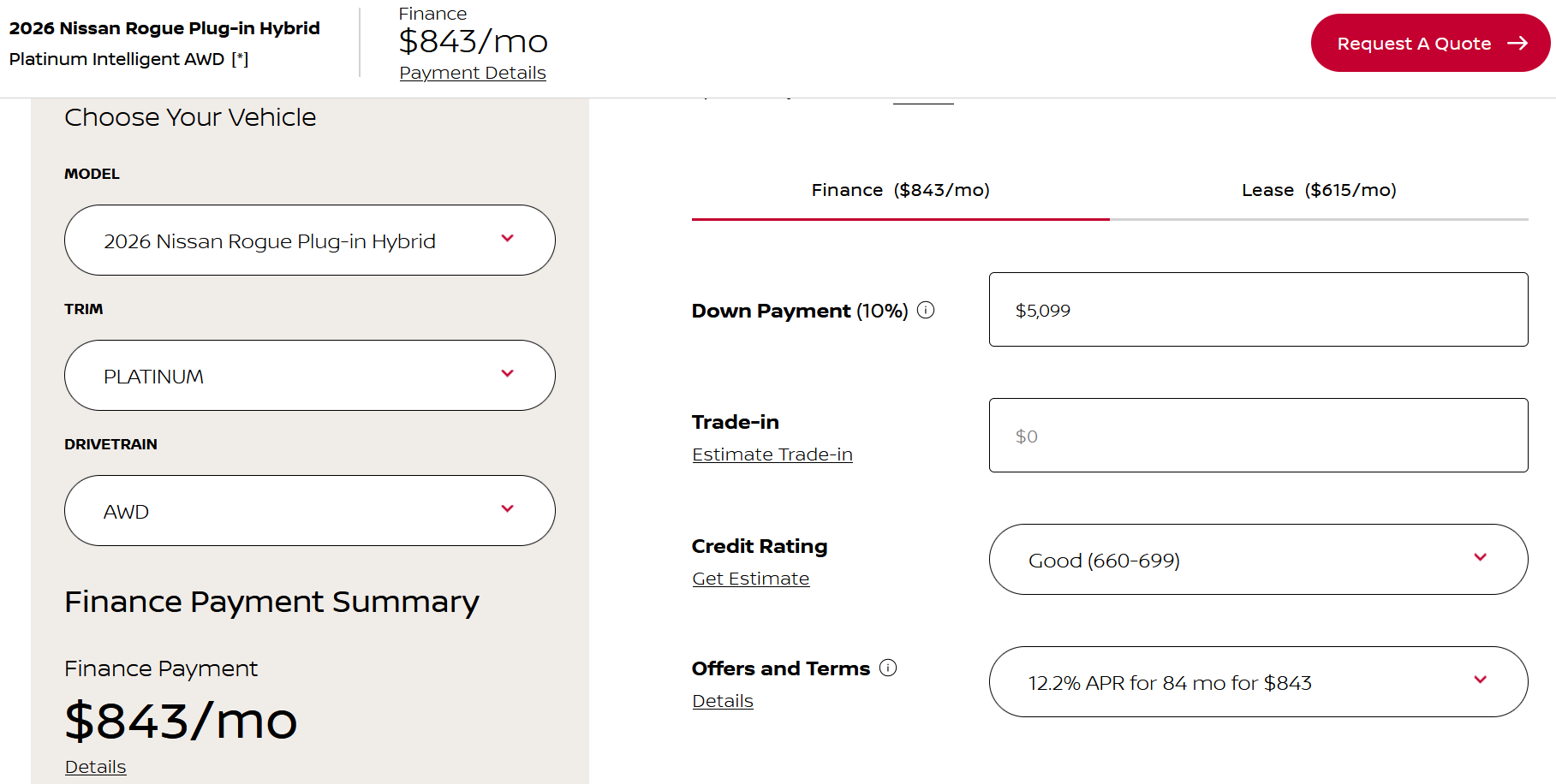
Those rising costs are reshaping the market. Roughly one in five new-car buyers now carries a monthly payment exceeding $1,000. At the same time, lenders continue offering loan terms stretching to 96 months. Eight-year loans were once rare. Today, they’re increasingly common as consumers attempt to make expensive vehicles appear affordable.
As one repo-industry veteran told The New Yorker, “They’ll get you in, whether you can afford it or not.”
More: America Is About To Tariff Itself Out Of Its Last Affordable Cars
Of course, stretching a loan doesn’t lower the cost of ownership; across the full term, it usually raises it. Insurance premiums have climbed on top of that. Repair bills have grown. Parts cost more. Fuel prices remain volatile, and thanks to the Iran war, they’re likely to stay high on average for several months, recently topping $5 per gallon in some areas, with diesel running even higher. When household budgets tighten, even borrowers who qualified for financing at the start can find themselves struggling.
Subprime Buyers Take The Hardest Hit
Unsurprisingly, the pain is concentrated among subprime borrowers. Delinquency rates among those consumers have reportedly reached their highest levels since 2010. Many rely on independent finance companies or buy-here-pay-here dealers that charge higher interest rates and often move more aggressively when payments are missed. These lenders commonly require weekly or twice-monthly payments, and in some cases, a single missed payment can trigger a repossession order.
For many households, transportation remains non-negotiable. In much of the country, losing a vehicle means losing access to work, education, healthcare, and daily necessities. As the National Consumer Law Center has noted, “for those living on low incomes or in rural or other areas not well served by public transportation, survival often depends upon the availability of a car.”
Buyers who want to avoid the repo man are running out of reliable options. Until affordability improves, car buyers will need to adjust because it doesn’t appear that lenders or automakers are about to create a shift in the market.