China Just Killed The PHEV As We Know It And Western Luxury Brands Are Paying The Price
New tax rules have exposed how far behind many Western plug-in hybrids have fallen in the world's biggest car markets
- China's tougher new tax rules favor plug-in hybrids with much longer ranges.
- European luxury brands have pulled back from China's shrinking PHEV market.
- Local automakers now dominate with batteries big enough for weekly charging.
For years, plug-in hybrids were sold as the perfect compromise, with a heavy emphasis on that last word. A little electric driving to get you through a day's commute, plenty of gasoline backup for longer trips, and in many countries some major tax advantages. But in China, that formula is suddenly looking outdated, and some of Europe's biggest luxury brands are retreating with their tailpipes between their wheels.
China's latest taxation rules have raised the bar for plug-in hybrids, rewarding models that can travel much farther on electricity alone with more lenient bills. Previously PHEVs only need to achieve 27 miles (43 km) to qualify for discounts, Automotive News reports. From January of this year that threshold was upped to 62 miles (100 km). If you've been wondering why so many Chinese PHEVs now have a better electric range than EVs from a few years back, there's your answer.
Related: Stellantis Quietly Kills Its Plug-In Hybrids In America
Western PHEVs were traditionally designed around small battery packs and modest electric ranges, and even the best of the current crop, like the Range Rover, can just about manage 75 WLPT miles (121 km). But many Chinese plug-ins now claim more than 100 miles (160 km) of electric driving before the engine ever needs to wake up.
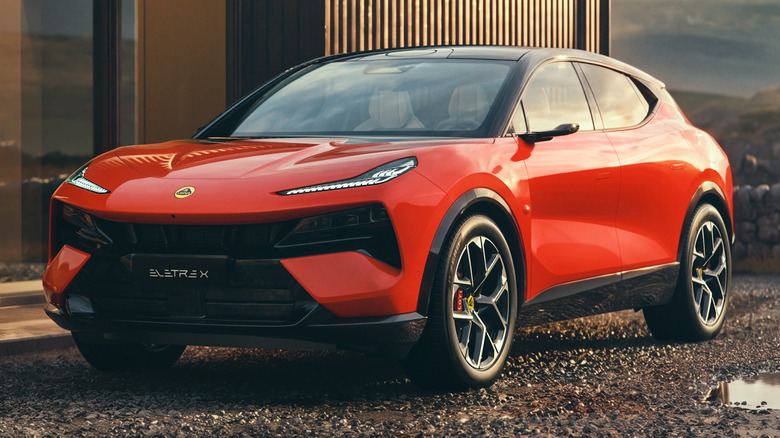
Some can go many times further. The new Lotus Eletre hybrid promises a crazy 260 miles (420 km) on a charge thanks to a humongous 70 kWh battery. That's on the optimistic Chinese CLTC cycle, but even on the European WLTP test, Lotus claims 217 miles (350 km). The Eletre is an EV turned into a hybrid, a popular Chinese strategy, whereas European brands prefer to build hybrids from ICE machines. But that could be changing.
It's Not All About Range
The rule changes don't just focus on electric range. Regulators have also tightened efficiency requirements when vehicles are operating on gasoline power alone, which isn't great for PHEVs whose combustion fallback is a dirty great V8. Together, those changes have created an environment where many legacy plug-in hybrids – which are still desirable and offer tax advantages in Europe – suddenly look like yesterday's technology.
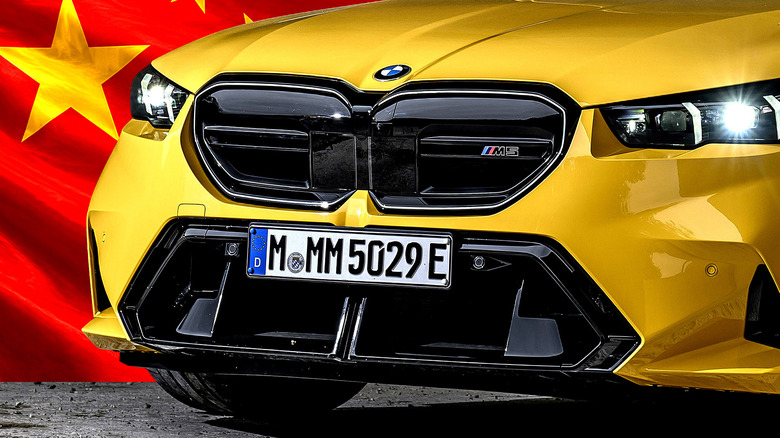
That shift is having a dramatic impact on the market, Auto News says. Audi, BMW, Mercedes-Benz, Jaguar Land Rover and others have either drastically reduced or effectively eliminated their plug-in hybrid offerings in China. Models that once qualified for incentives no longer meet the latest requirements, making them much less attractive to buyers.
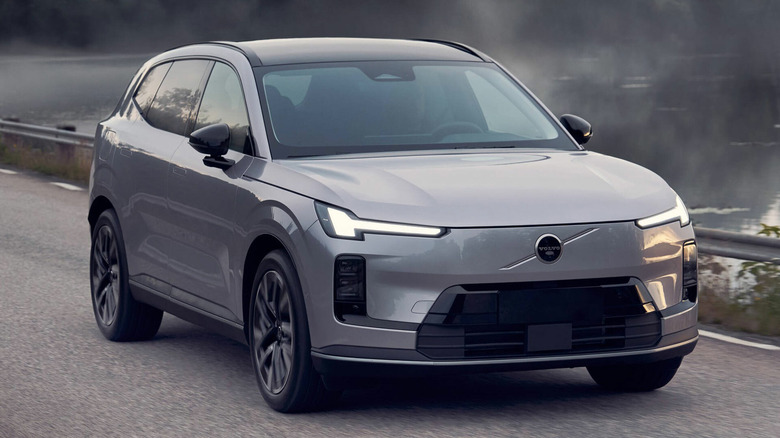
And soon they might be less attractive in the West, too. Chinese brands like Lynk & Co are already shipping their long range 08 SUV plug-ins to Europe, and Geely-owned Volvo's new 112-mile (180 km) XC70 will eventually join them.