- Ford had to hire, promote, and bring back 350 engineers to train its AI systems.
- As Ford has re-focused on quality, it now wants to detect issues before they occur.
- More than 100,000 AI tests are performed to iron out quality issues.
Artificial intelligence is coming for millions of jobs, but a growing number of companies have figured out that the technology carries a steep price tag and a habit of getting things wrong. Ford ran into both problems while trying to use AI to raise quality, trim warranty costs, and cut down on recalls. Reality, it turned out, was messier than the pitch.
While recently speaking with the media on the back of Ford ranking first among mainstream brands in JD Power’s Initial Quality Study, the company revealed how central AI has become, but admitted it carries pitfalls. Deploying it poorly while underestimating the value of seasoned engineers actually dragged quality down.
When The Experts Left, So Did The Know-How
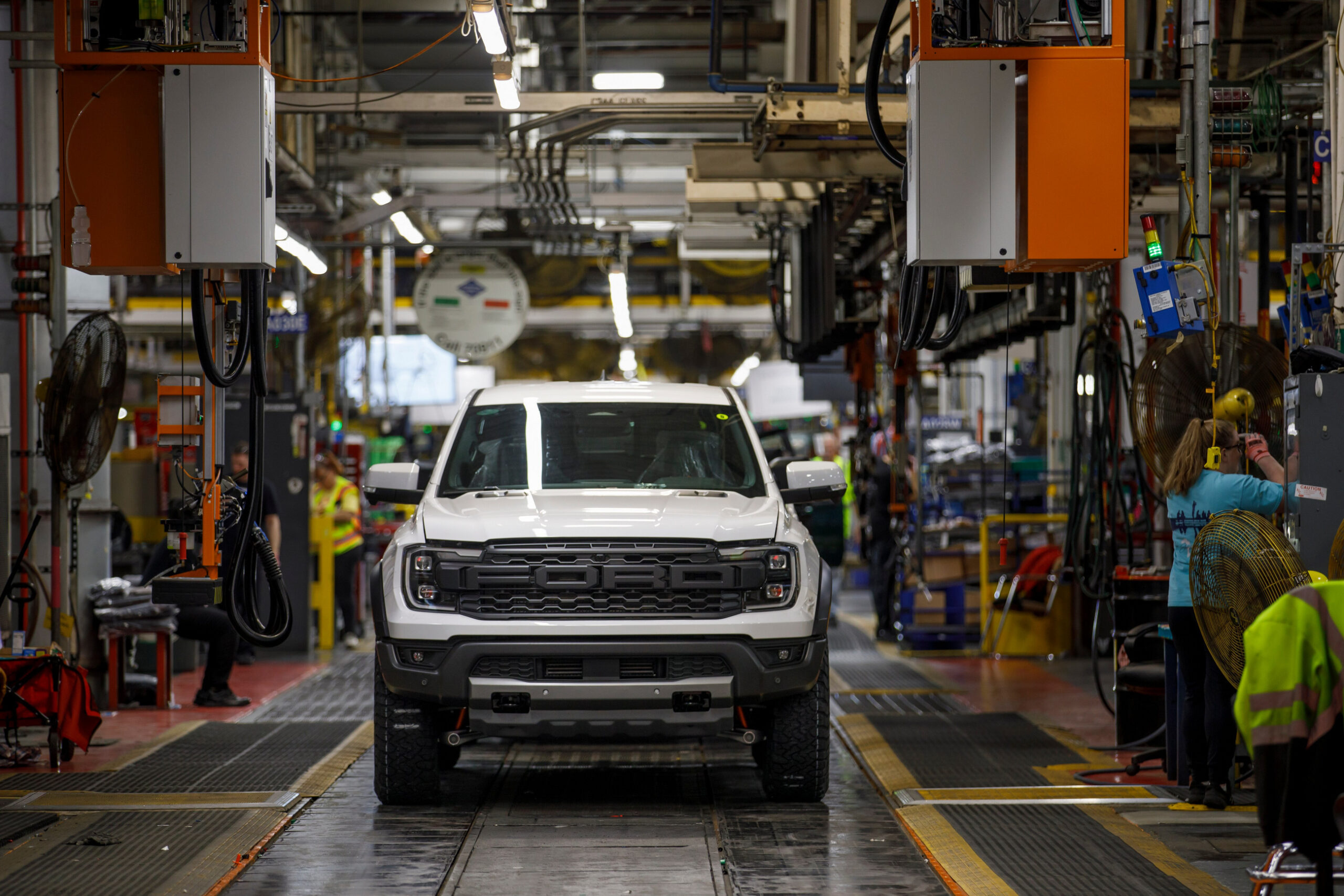
Ford’s vice president of vehicle hardware engineering, Charles Poon, told The Verge that many experienced employees left the company before their knowledge could be passed on to the AI models and systems in use. To make up the gap, Ford had to hire, promote, and bring back over 350 engineers to retrain these systems and improve the data collection methods used by the AI tools.
Read: Ford Went From Recall King To JD Power’s Top Mainstream Brand For Initial Quality
Some of those returning engineers now mentor younger colleagues who had been struggling to hold the line on vehicle quality. “That’s where some of our most experienced engineers have had experience solving and identifying those problems before they creep into the system,” Poon said.
He also acknowledged the company’s flawed assumptions, saying, “Mistakenly, we thought that by just introducing artificial intelligence and adjusting the design requirements that we had, that that would produce a high-quality product.”
AI Tests Are Still Important
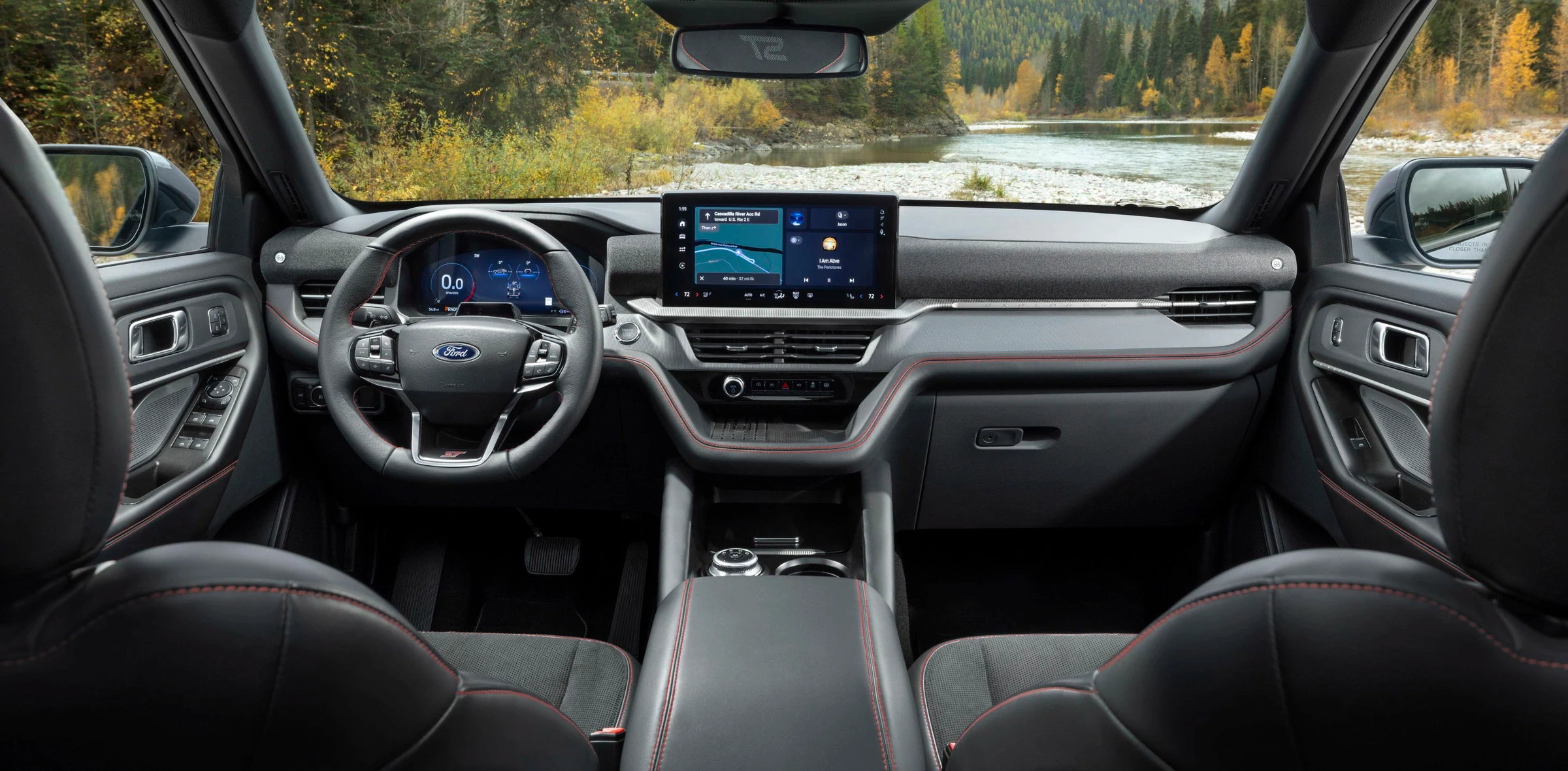
Despite these missteps, AI still plays an important role in quality control at Ford. It currently uses more than 100,000 AI-powered tests to stress software systems and identify edge cases. If issues are found, software changes can be made quickly, even in the late stages of development for new vehicles.
“Because these tests are highly automated, even if we have a late change in the software, we can rapidly run back through the entire validation process to guarantee it works perfectly well before it reaches the customer,” Poon explained. He added that Ford now treats software reliability as its own rigorous discipline with strict metrics, the kind of structure that used to apply only to hardware.
A Shift From Find-And-Fix To Prevention
Fixing quality concerns also demanded a shift in mentality, Poon added. He says Ford previously operated with a “find and fix” philosophy, identifying defects after they appeared and then resolving them. Now it wants to catch trouble before it occurs.
To get there, Ford’s software and digital teams work in closer collaboration with the engineering, manufacturing, and supply chain groups. The automaker has also established a software quality assurance team consisting of 40 employees, tasked simply with preventing problems before they occur.
Poon said Ford had previously been catching software bugs late in development because it was not fully exploiting rapid software iteration. He stressed, however, that the company could not adopt a consumer electronics mindset and “move fast and fix later,” since vehicles operate in a safety-critical environment where the software must work correctly from the moment they reach the customer.
Ford says these changes are already paying off. While the company has still issued more recalls than any of its rivals in the US this year, its warranty costs and recall rate are both declining.