



- Tennessee has passed a law requiring proof of lawful status to register a vehicle.
- The final version is less restrictive than some early reporting suggested.
- Drivers can still take the written test in other languages, but their license expires sooner.
Over the last year or so, cities and states across America have made several changes to laws or statutes to improve safety on the road. Now, Tennessee is changing the way it issues driver’s licenses and registration in the same pursuit. While it initially seemed like non-English speakers would be left without a way to get a license or register a vehicle, the final law is more nuanced despite being stricter than in the past.
Governor Bill Lee signed HB 1708/SB 1889 into law on May 7, 2026. The legislation changes both vehicle registration requirements and driver’s license rules in Tennessee.
The biggest change is that Tennesseans seeking to register a vehicle or renew a registration will now have to provide documentation proving they are either a U.S. citizen, a lawful permanent resident, or someone whose temporary presence in the country has been authorized by the federal government. Existing Tennessee driver’s licenses, photo IDs, temporary licenses, and REAL ID-compliant credentials can satisfy that requirement.
Read: Florida Just Banned All Non-English Driver’s License Exams
Supporters argue the law closes a loophole that previously allowed vehicle registrations using relatively basic identification documents. State Rep. Michele Reneau told Local 3 News the measure is intended to improve road safety and discourage illegal immigration.
The License Rules Are More Nuanced
The driver’s license portion of the law is where things get more complicated. Some reports suggested applicants who cannot read English would receive a highly restricted one-year license. That was true at one stage of the legislative process, but lawmakers ultimately changed the bill before passage.
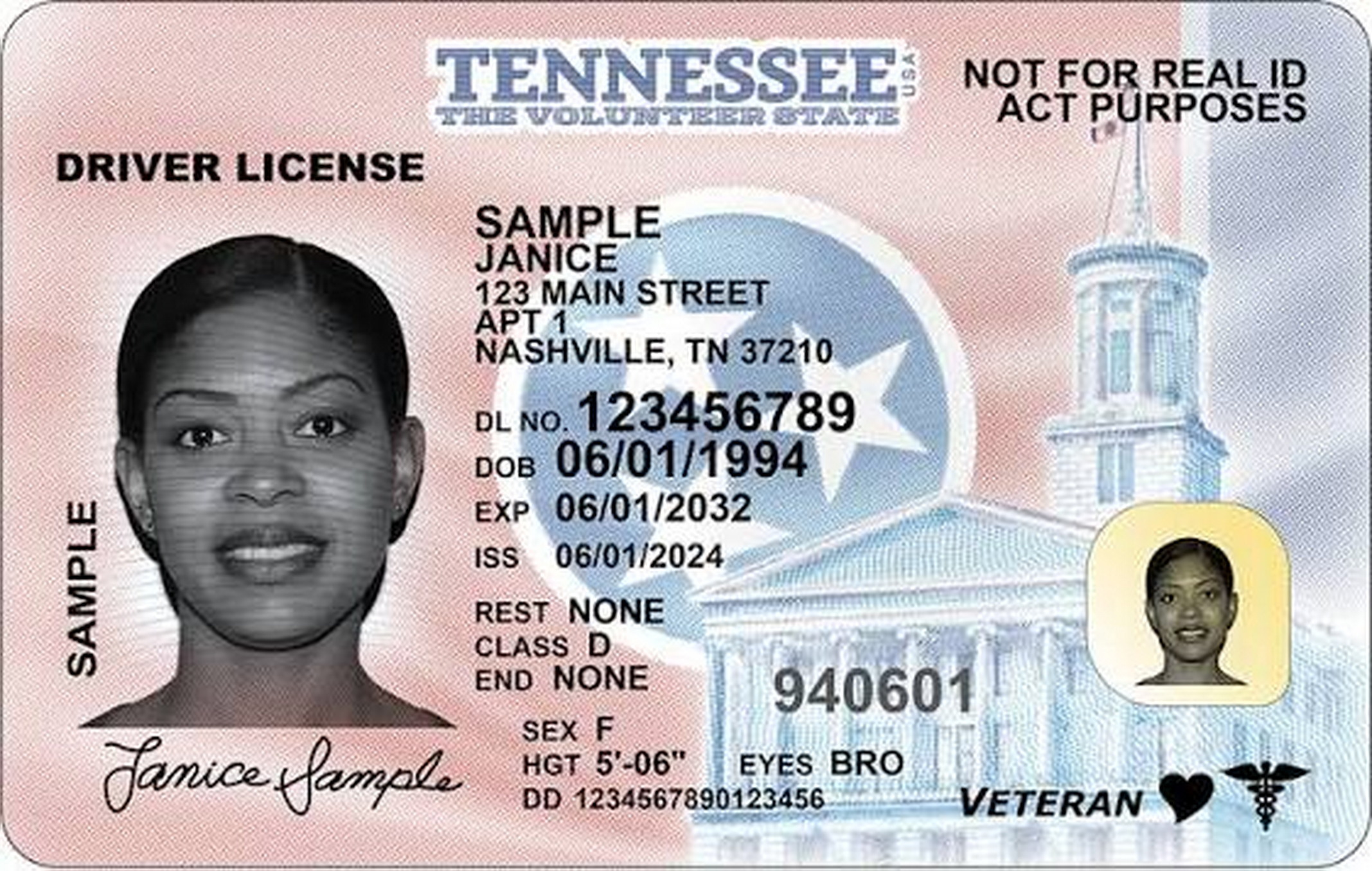
According to the official bill summary, applicants who take the written examination in a language other than English can still obtain a standard driver’s license. However, that license will be valid for 36 months rather than the normal term. When it expires, the driver must pass the written examination in English without the use of an interpreter, electronic device, or translation aid.
The final version removed proposed driving restrictions and removed the requirement for a special restricted license. Tennessee currently offers written driver’s license examinations in English, Spanish, Japanese, Korean, and German. The law takes effect January 1, 2027, although state agencies can begin preparing data-sharing systems and administrative rules immediately.