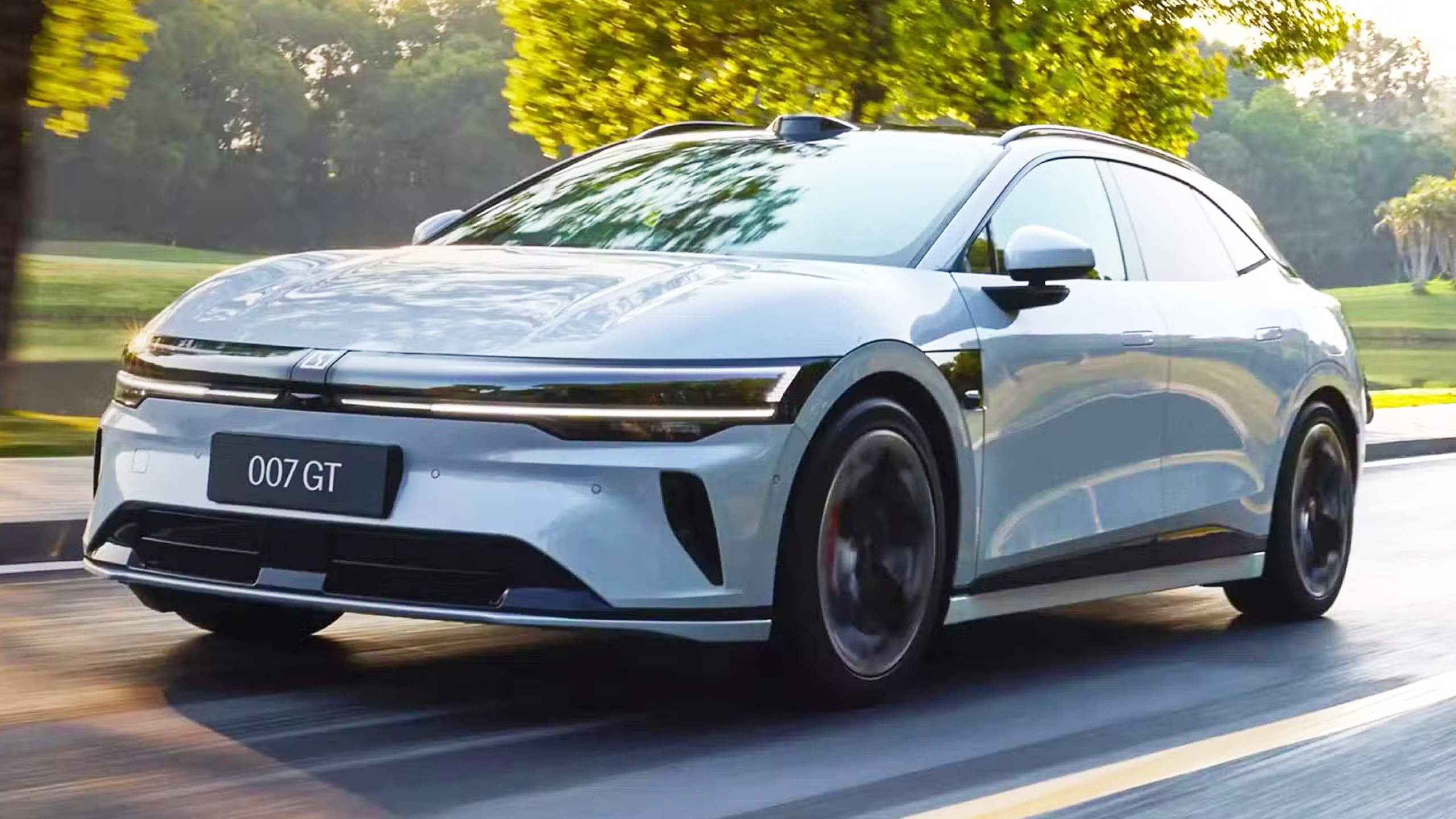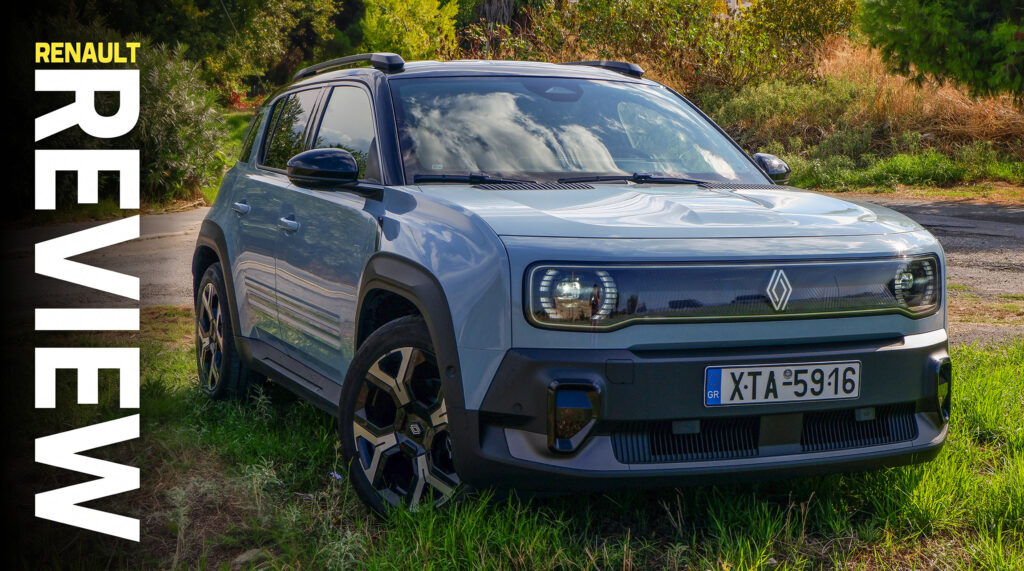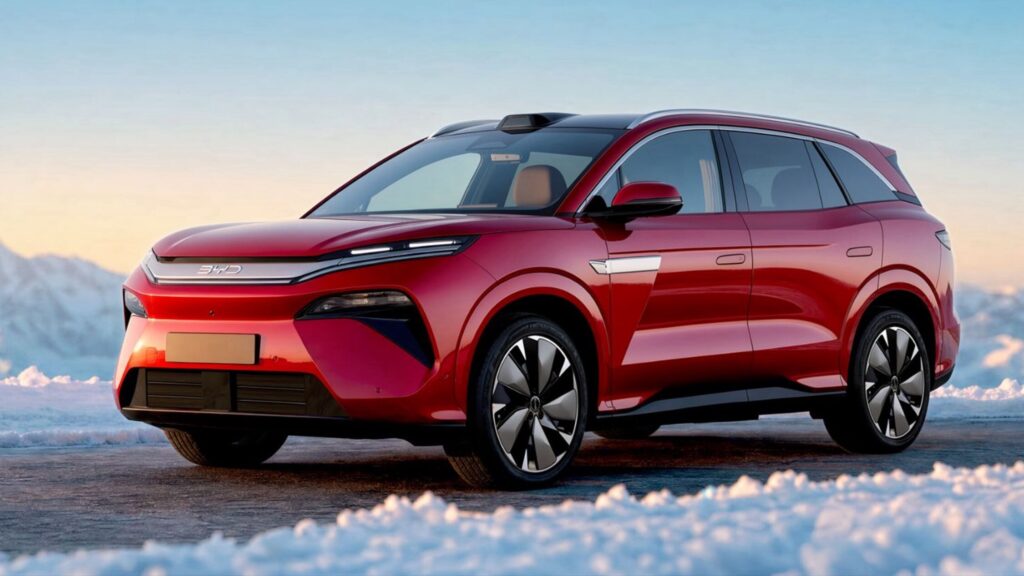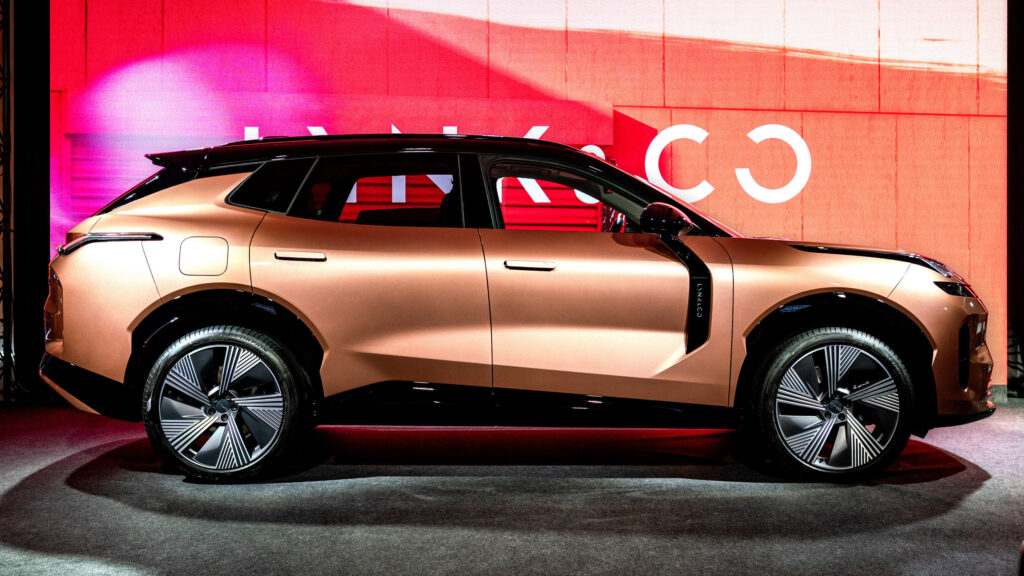
- China ended 2025 with nearly 44 million new energy vehicles in use.
- The country aims to cut carbon dioxide emissions from transportation.
- BEV and PHEV sales must rise quickly to meet the government’s targets.
China has more new-energy vehicles, a term that includes EVs, PHEVs, and FCEVs, on its roads than any country on the planet, yet all of them together make up only about 12.01 percent of the country’s total fleet. Beijing wants that figure to reach 30 percent within four years, which gives you a sense of how much ground it still has to cover.
Figures from the Chinese Ministry of Public Security put 43.97 million NEVs on the country’s roads at the close of 2025. Nearly 69 percent of those run purely on batteries. Roughly 34.2 million new cars were registered across China during the year, with about half of them qualifying as NEVs.
Read: China’s Electrified Car Sales Sank 13%, And The World Is About To Feel It
Getting from 12 percent of the fleet to 30 percent by 2030 is a tall order, and the market isn’t helping. New-car sales have contracted for months, and the end of certain tax breaks should push them lower still.
However, age works in China’s favor. The average car there is under 7 years old, so the fleet turns over faster than most, and cleaner vehicles reach the road sooner. Every year, a larger slice of existing cars on the road gets replaced, which means EVs displace gas cars more quickly than they would in a market full of older holdouts. The typical vehicle on American roads has reached 12.8 years, and those cars aren’t going anywhere soon.
Fighting Carbon
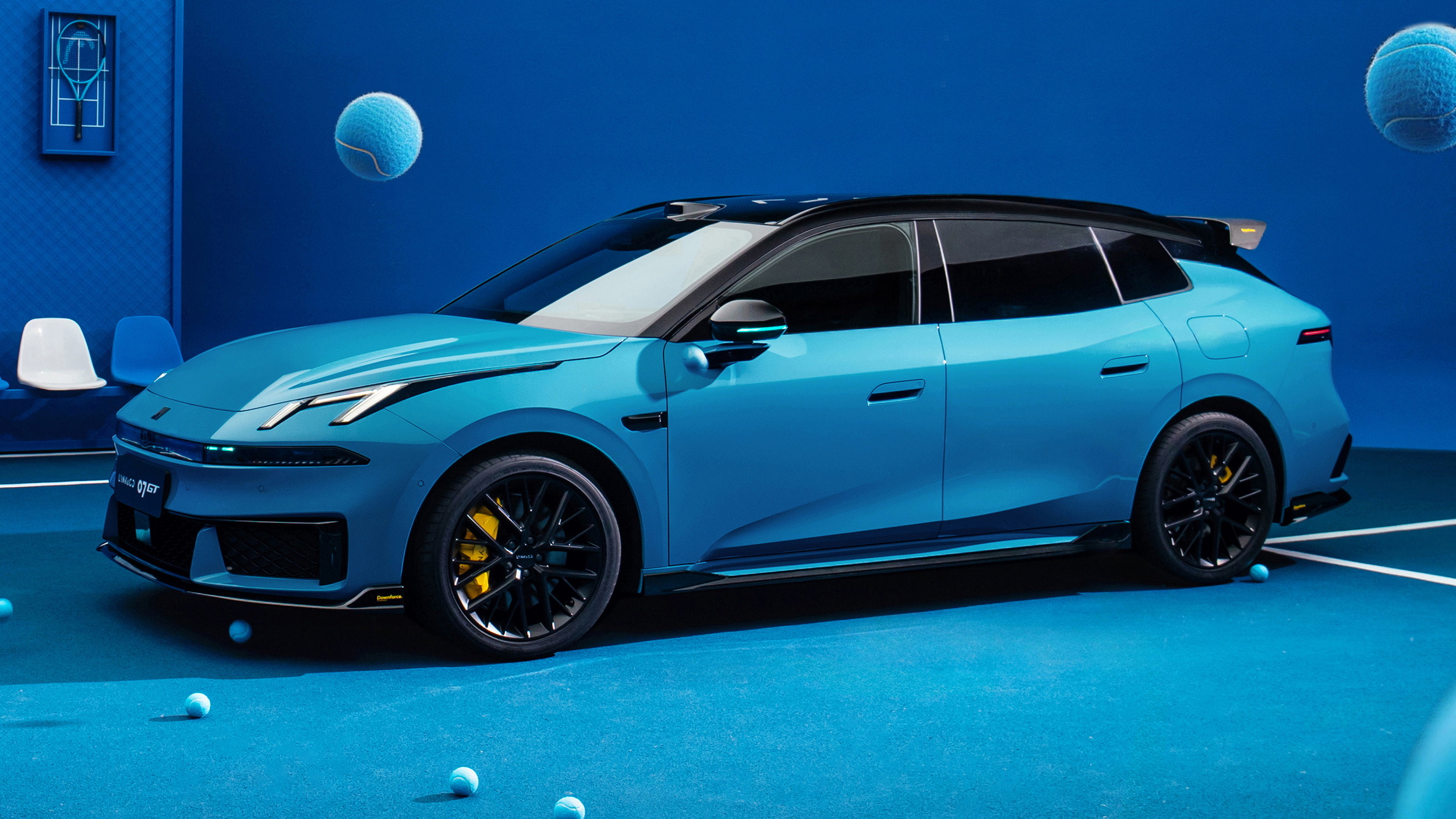
China’s ambitions to rapidly expand the number of NEVs on its roads form part of its ‘15th Five-Year Carbon Peaking Action Plan,’ aiming to cut the country’s carbon emissions by 2030. It wants to see carbon dioxide emissions per unit of GDP fall by 17 percent from 2025 levels. It’s not just light-duty vehicles that the government is targeting to achieve this. It also wants to see NEVs account for 25 percent of commercial transport vehicles by 2030.
That commercial goal, as CNEVPost points out, leans on heavy-duty trucks catching on across the country, from construction sites to ports and airports where diesel has long ruled.
The plan reaches past the vehicles themselves and into the infrastructure that keeps them moving, calling for a wave of new charging points and battery-swapping stations built nationwide to handle the growing number of NEVs.