










- Hyundai workers in Korea began a partial strike over pay and job security.
- The union seeks richer profit sharing before humanoid robots reach factories.
- Automation may boost efficiency, but robots will not stage industrial strikes.
Update: Hyundai HQ In South Korea gave us this statement regarding the strike negotiations:
To clarify, the union’s current demands include compensation-related issues, including wage increases, bonuses, and retirement age extension. Potential deployment of robots in Korean production facilities is not part of the current labor-management discussions.
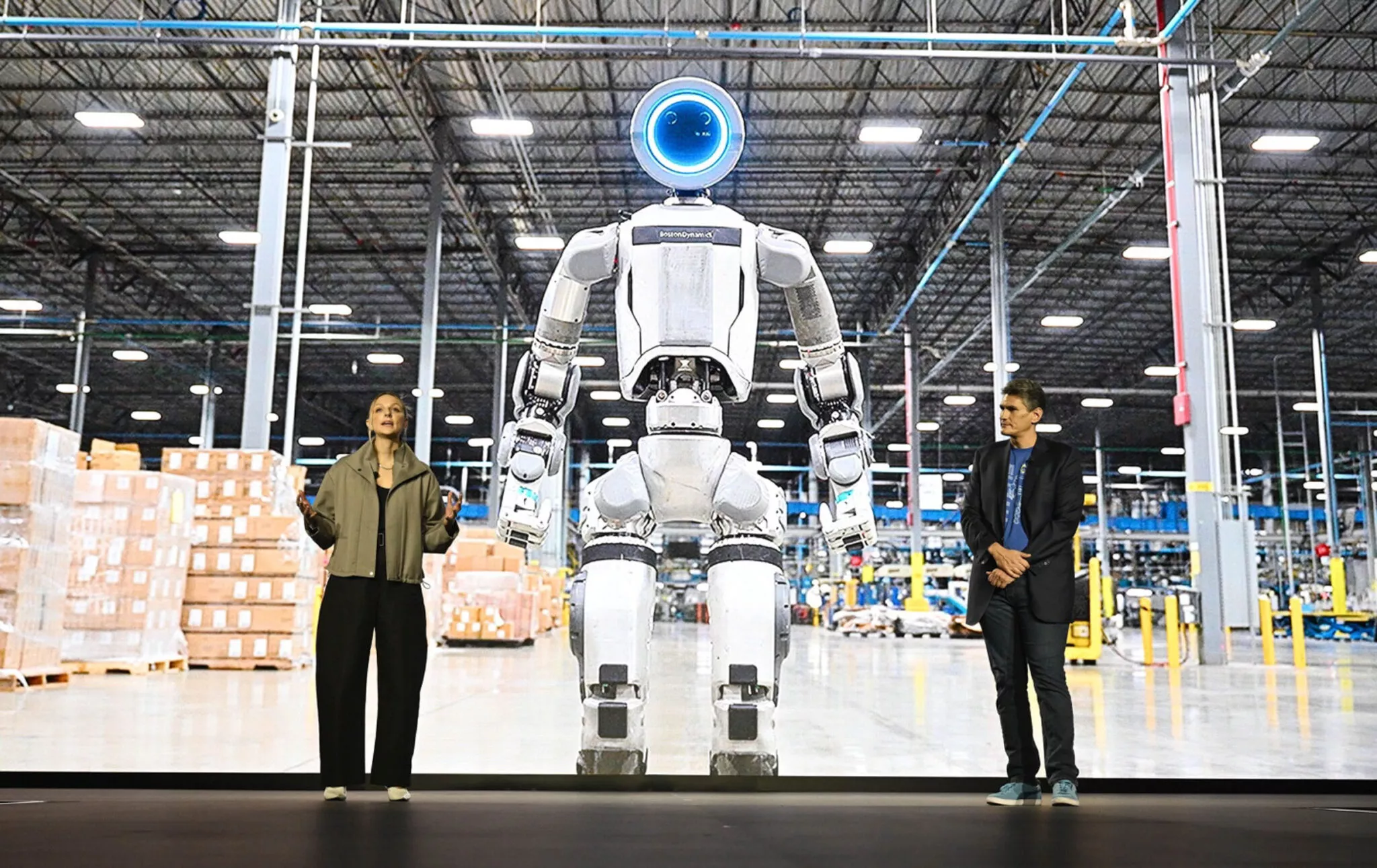
Our current focus is on deployment at our Metaplant in Georgia, where Atlas will support production operations. Decisions about future Atlas deployment at other facilities will be made thoughtfully, in accordance with local operational needs, and in dialogue with the employees and workforce representatives at those sites.
While the union has previously expressed broader concerns about automation and future employment, it would be inaccurate to characterize the current strike as being caused by, or primarily driven by, Atlas.
The original story follows below:
Electrification isn’t the only major change happening in the car industry right now. Behind the scenes robots are starting to infiltrate auto plants and real human workers are so worried Hyundai employees have announced strike action.
More: America Asked For More Manufacturing Jobs, So Hyundai’s Sending Humanoid Robots
Workers at Hyundai’s South Korean plants have begun a three-day rolling strike after wage negotiations broke down. Instead of walking out completely, employees are leaving their shifts two hours early through Wednesday while union leaders continue talks with management in hopes of avoiding a longer dispute, Bloomberg reports.
The Fight Isn’t Just About Wages
Money is a major sticking point. The union wants a bigger base pay increase, richer bonuses, and a profit-sharing system linked to the company’s annual earnings. Members argue that if employees at technology companies are sharing in the rewards from the AI boom, workers building the vehicles should benefit too.
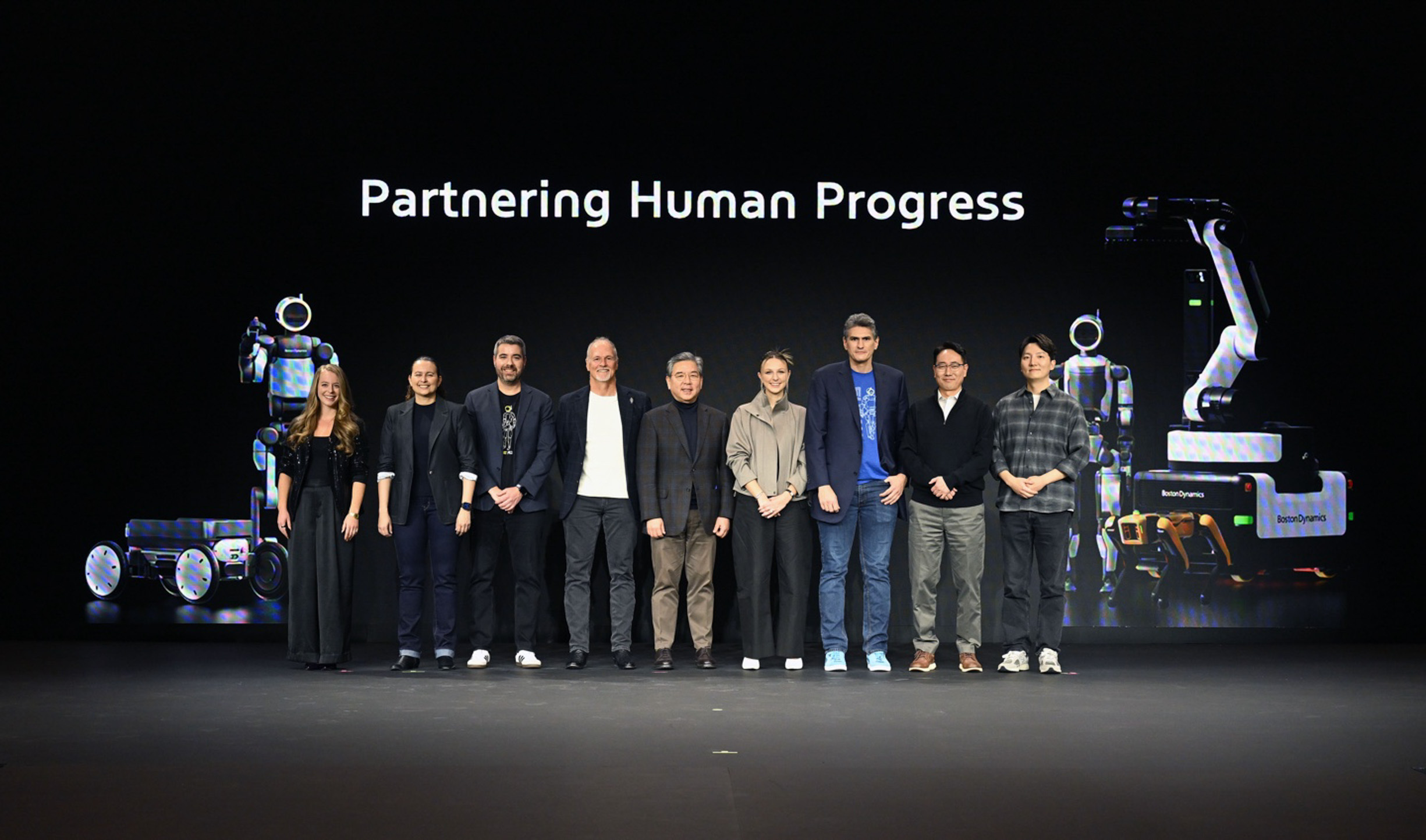
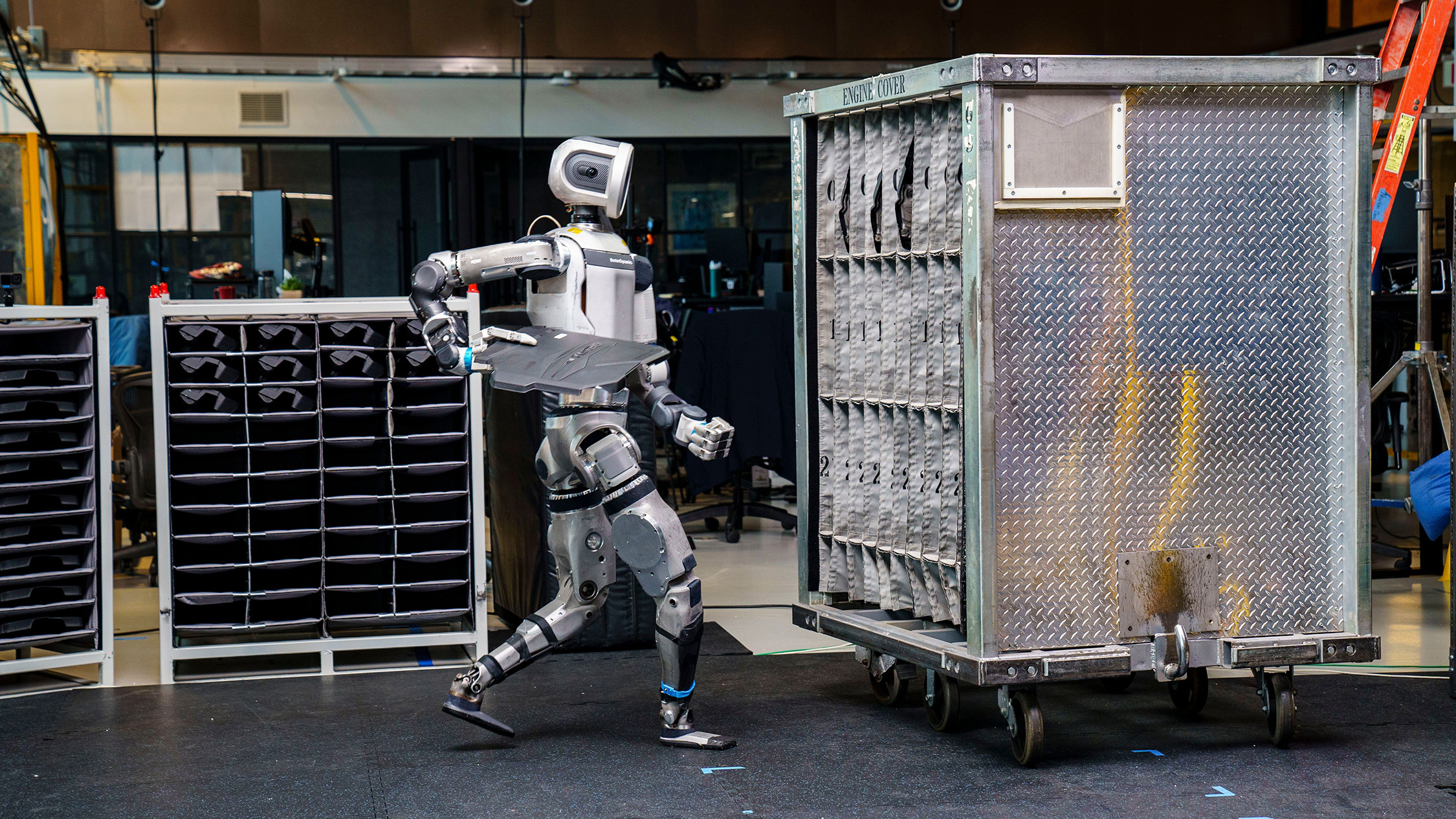
But the strike isn’t just about more cash today, it’s about ensuring workers will still be getting paid tomorrow. The automaker has already announced plans to introduce Hyundai-owned Boston Dynamics’ Atlas humanoid robot into US factories starting in 2028.
Related: GM Added 50 ‘Cobots’ To A Plant Where It Just Laid Off Over 1,000 Workers
The machines are expected to begin with repetitive logistics work before eventually taking on more sophisticated assembly tasks by the decade’s end. So the union wants formal negotiations before robots are introduced, protections for employee income as automation expands, and an extension of the retirement age from 60 to 65.
Hyundai isn’t exactly blazing a lonely trail here. Tesla, Mercedes-Benz, BMW, Toyota, Mitsubishi, BYD, Chery and several other manufacturers are investing heavily in humanoid robots and AI-powered automation. Whether it’s moving parts around a warehouse or helping assemble cars, the industry clearly believes robots will become a familiar sight inside tomorrow’s factories.
Workers Stand Together, Bosses Stand Firm
For Hyundai, though, the strike action is going to be inconvenient and expensive. South Korea remains the heart of its manufacturing operation, with roughly half of its global vehicle volume built there. Even relatively short production stoppages can quickly translate into thousands of missing vehicles and hundreds of millions of dollars in lost revenue. But the company isn’t backing down.
Also: Hyundai’s Latest Robots May Be Eyeing Your Job
“Past strikes have yielded nothing but irreversible production losses, lost wages and harsh criticism from our customers and the public,” domestic production chief Choi Yeong Il warned in a statement reported by Bloomberg. Hyundai won’t compensate workers for wages lost during the industrial action, he added.
Of course, if humanoid robots eventually take over enough jobs, Hyundai might not have to go through this rigmarole again. The assembly line might still stop for software updates, but at least management probably won’t have to negotiate with a picket line of Atlas robots demanding bigger bonuses. Well, until they become sentient, of course.