

Air Force Engineer Allegedly Cut Down 13 Flock Cameras Before A Camera Caught Him
Police say an Air Force mechanic dismantled 13 license plate readers across Virginia over six months before being arrested
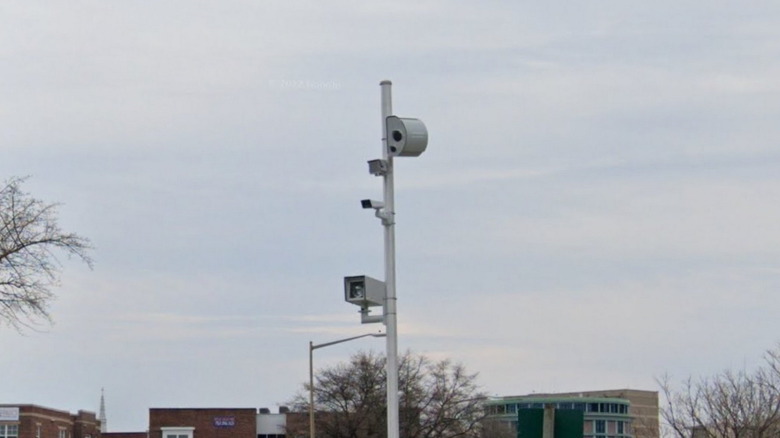
- An Air Force engineer stands accused of dismantling more than a dozen cameras.
- The defendant says license plate readers violate Fourth Amendment privacy rights.
- The case tests whether mass vehicle surveillance complies with the Constitution.
When the government talks up mass surveillance, the tone is usually glowing. One Air Force engineer allegedly answered it with a pair of bolt cutters. Police in Virginia say this service member cut down 13 Flock Safety cameras and then called them out for being unconstitutional. Now, the veteran is facing serious charges related to his actions.
According to court records and testimony reported by local media, 41-year-old Jeffrey Sovern faces 13 felony counts of destruction of property, along with misdemeanor charges related to alleged theft and possession of burglary tools. Prosecutors say he targeted Flock Safety cameras across Suffolk, Virginia, between April and October 2025.
Read: Why More Cities Are Suddenly Pulling The Plug On Flock Safety Cameras
At first, he simply rotated some away from the roads they monitored. Then, he allegedly began cutting down entire installations. In several cases, the cameras were reportedly thrown from an overpass onto Interstate 664. Police say the investigation took an ironic turn when another traffic camera reportedly captured Sovern's pickup truck near one of the damaged installations.
According to Military.com, investigators later obtained a warrant to place a GPS tracker on the vehicle, and a subsequent search of his home allegedly uncovered components from several Flock camera systems, including solar panels. Authorities also testified that Sovern admitted dismantling the camera poles with vice grips, although he has publicly stopped short of admitting responsibility.
Instead, Sovern has framed the case as a constitutional issue. During a police interview, investigators said he described automated license plate readers as unconstitutional and a violation of Fourth Amendment protections. On a fundraising page supporting his legal defense, he similarly argued the systems create an unhealthy surveillance state while encouraging supporters to lobby local governments to remove them.
At this point, he's pleaded not guilty and is just one more part in what seems like a growing wave of support for getting rid of surveillance cameras across the USA. Could the Air Force engineer call his actions a "political statement" and get off? Probably not. But crazier things have happened.