










- Trump’s new Canadian tariffs arrived after eleventh-hour trade negotiations disintegrated.
- Canada promises matching retaliation after automotive tariffs helped sink a possible deal.
- Carmakers face more uncertainty as North America’s key trade relationship deteriorates.
Update: President Donald Trump said on Monday morning that the United States will raise tariffs on cars, trucks and auto parts imported from Canada to 50 percent on January 1, 2027, after trade talks between the two countries collapsed over the weekend.
“Canada has been ripping off the United States of America for years,” Trump wrote in a Truth Social post, blaming Canadian tariff policy for hurting American farmers. “Their ridiculously high tariffs on our Farmers and farm products has made life impossible for these great American Patriots, and has long created a 60 Billion Dollar Deficit between our two Countries.”
Steel is on the list too, widening the tariff hit beyond assembly plants. “Not sustainable, and NOT ANYMORE!” he added. “On January First, 2027, Tariffs on all Cars, Trucks, both large and small, Automotive Parts, and Steel, will be increased to 50%. Build in the U.S. and there are ZERO TARIFFS.”
“Canada will be treated like a State no longer!” Trump continued, calling the country “among the worst Nations in the World to deal with” on trade and otherwise. “They feel entitled, and yet, WE DON’T NEED CANADA, THEY NEED US! They do 95% of their business with the U.S., with us, the exact opposite!”
Of course, January 1 is still four months away, and Trump has moved tariff deadlines before.
Ontario Fires Back
Ontario Premier Doug Ford kept the tit-for-tat going Monday, telling The Associated Press that Ronald Reagan would be “disgusted with President Trump” over the president’s trade policies. “He’d be throwing up on him from the picture if he knew what was going on,” Ford said.
Ford also said he is prepared to cut off electricity and Canada’s vital mineral shipments if Washington keeps pushing.
Original story continues below.
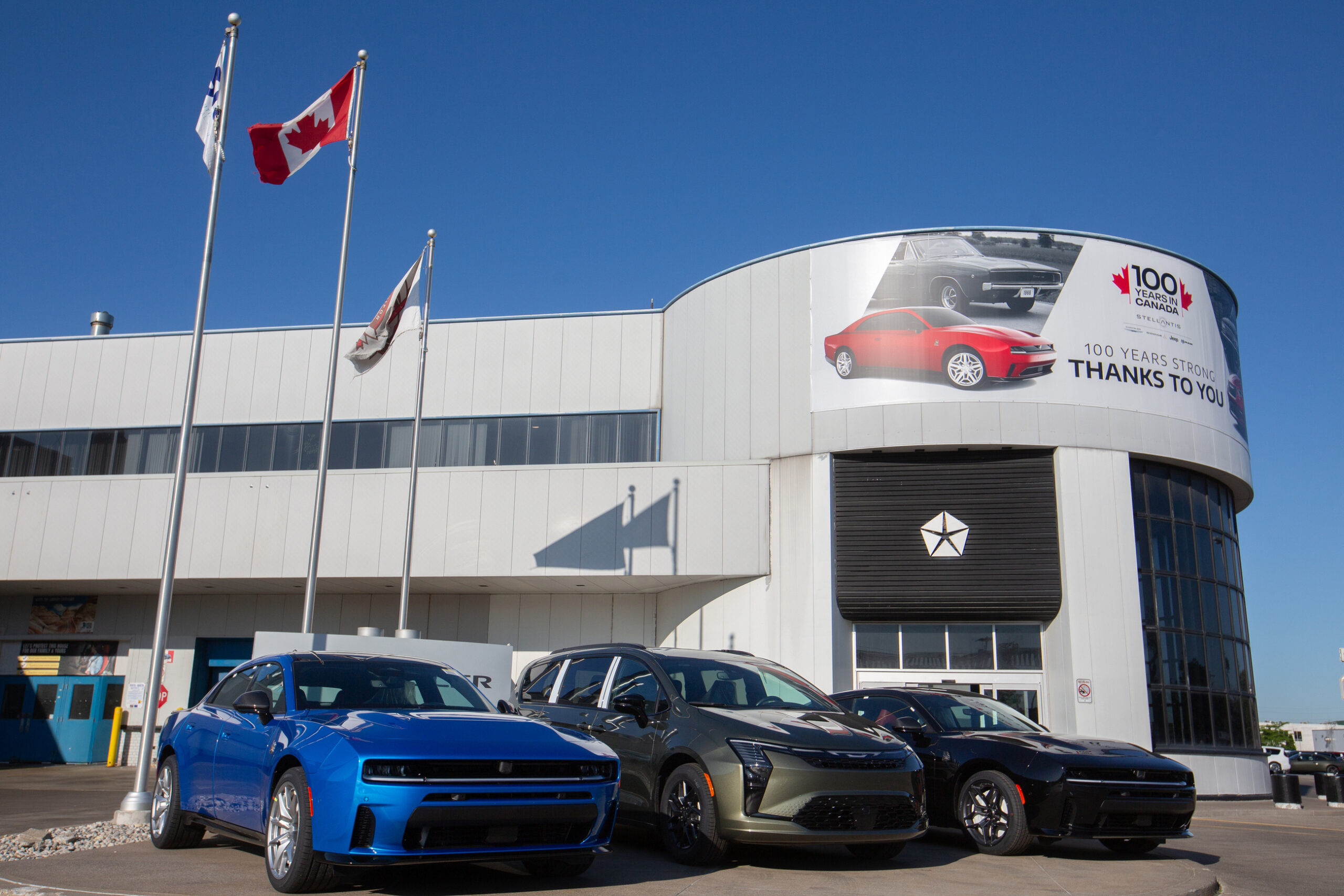
Just when it looked like America and Canada might be ready to put their tariff boxing gloves away, somebody rang the bell for another round. The US has imposed 50 percent tariffs on around $20 billion worth of Canadian goods after eleventh-hour negotiations between the neighbors spectacularly fell apart, and Canada says it will apply the same levies back.
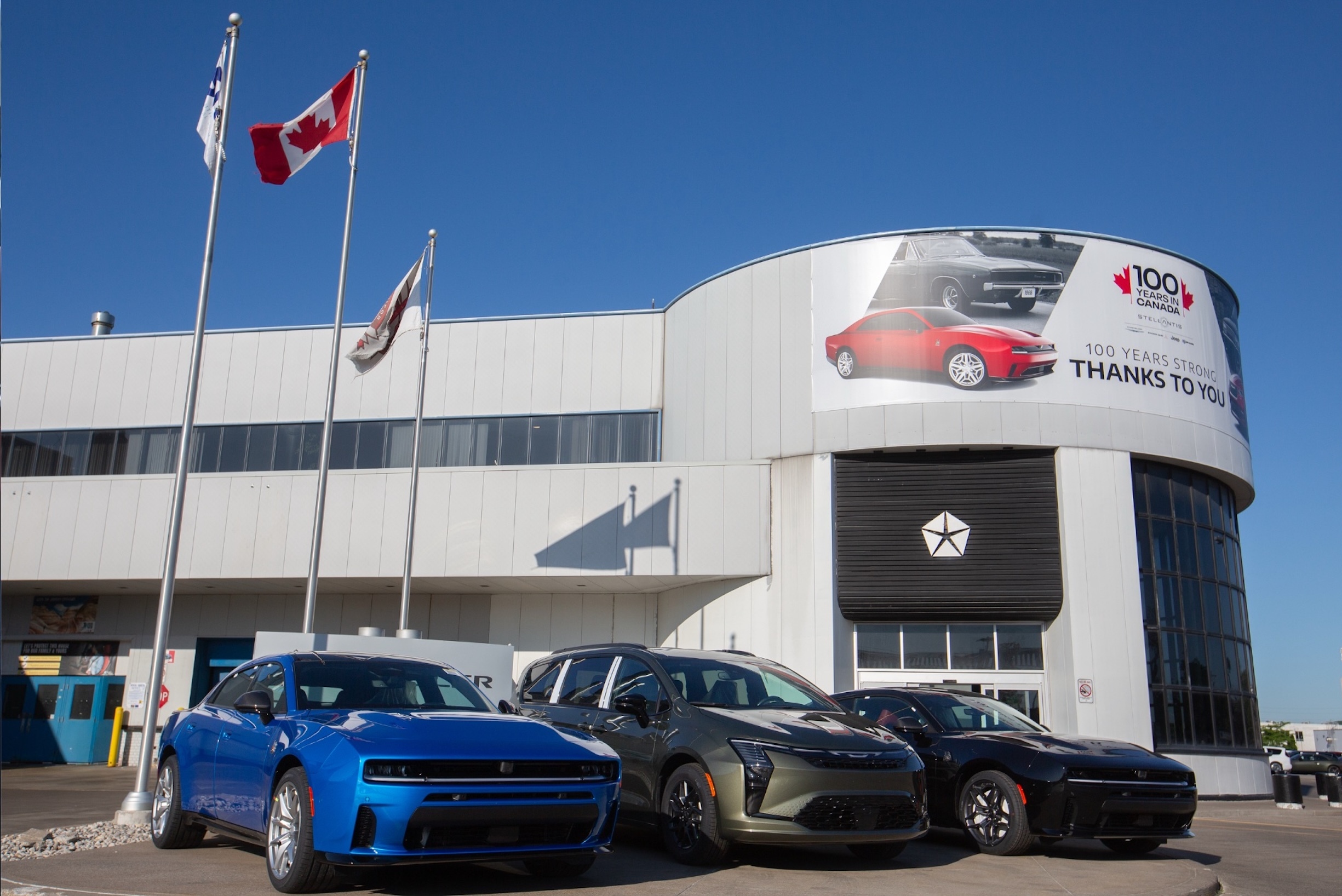
The new duties on Canadian goods cover a random shopping list stretching from hockey equipment to dairy products, alcohol and flower bulbs. More importantly for the auto industry, the breakdown reportedly came partly because Washington and Ottawa couldn’t agree on how Canadian-built vehicles should be treated.
Related: Washington Wants More American-Made Cars. Detroit Warns That’ll Cost You More
Canadian Prime Minister Mark Carney says US negotiators changed the proposed terms at the last minute, including reducing tariff relief for Canadian-made vehicles. “They asked too much and offered too little,” Carney said, according to The Guardian. He’s recalled Canada’s negotiating team and says no more talks are currently planned.
Washington tells the story differently. US Trade Representative Jamieson Greer claims Canada introduced fresh demands and backed away from previous commitments just as a deal appeared close. The US had offered reductions on tariffs affecting autos, steel and lumber, Greer said.
Canada isn’t planning to sit quietly while the new duties bite. Carney has promised a “dollar for dollar” response, with retaliatory tariffs due to begin September 8. Those will target areas including steel, dairy, appliances, agricultural equipment, pulp and paper, and electronics.
Crossing Borders
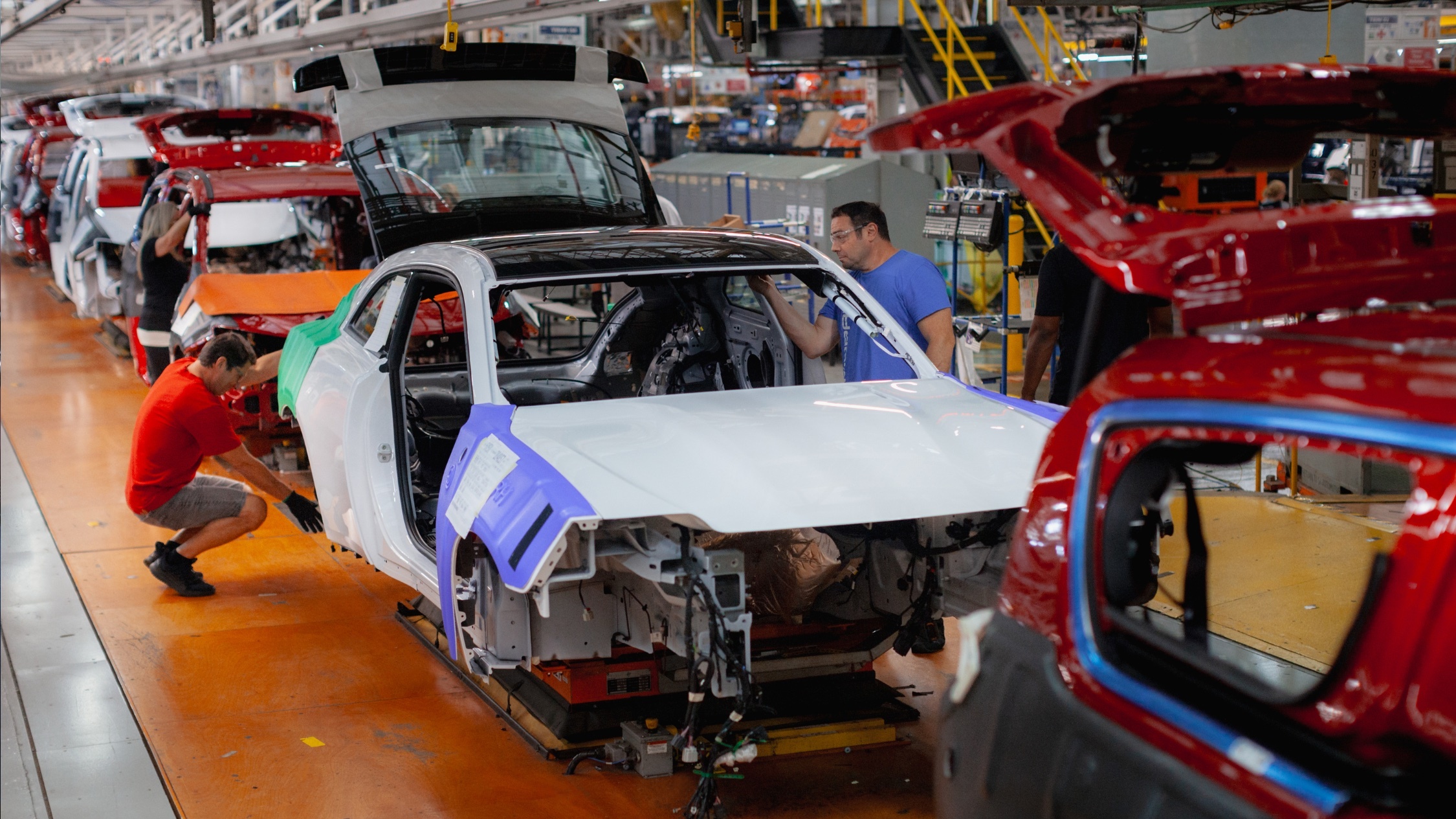
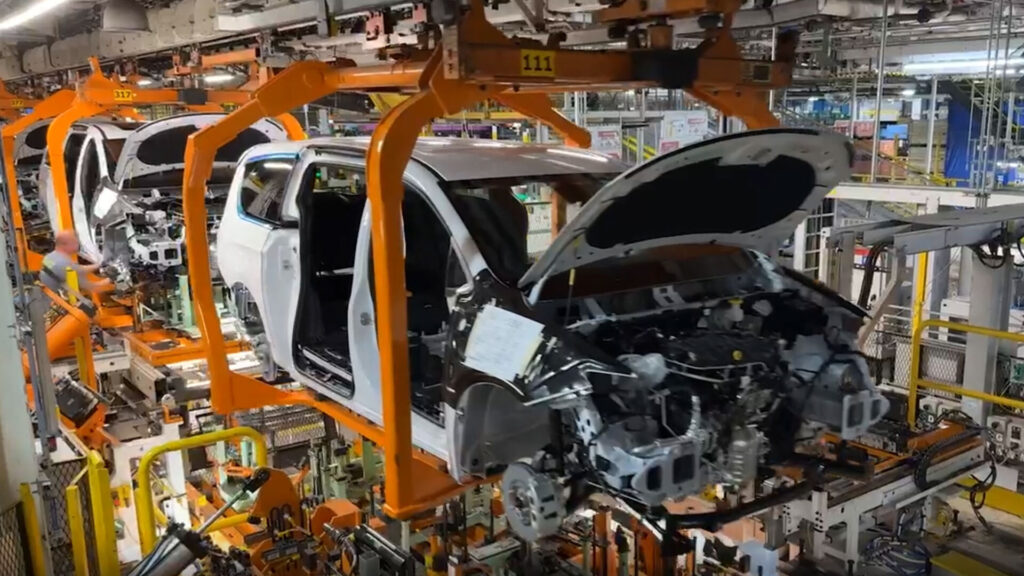
For automakers, another tariff fight is particularly unwelcome. The US, Canada and Mexico have spent decades developing deeply intertwined manufacturing networks, with vehicles and components routinely crossing borders, in some cases multiple times, during production. Now the latest dispute also raises awkward questions about the future of the USMCA trade agreement connecting all three countries.
Carney accused the Trump administration of using “economic integration as a weapon,” while arguing that Canada wouldn’t sacrifice its sovereignty or major industries, including the auto industry, to secure a deal. We predict they’ll be back at the negotiating table before long, but until a deal is eventually hammered out, carmakers need to brace themselves for some big tariff-related costs that could affect how much you pay for your new car.