- A Ford designer created a Lexus EV concept using AI tools.
- Two sketches and prompts led to full photorealistic renderings.
- Futuristic design combines supercar lines with hatchback form.
Artificial intelligence is quickly reshaping the way cars are designed, cutting down development time and simplifying once-complex workflows.
Curious to see how far the tech can stretch, one professional designer set himself a challenge: create an entire concept car in a single day, starting with a handful of loose hand-drawn sketches and ending with high-res, photorealistic renderings generated entirely by AI.
More: This Futuristic RWD Coupe Could Have Been Skoda’s Best Throwback Yet
The man behind this experiment is Antonin Cohen (@space_sketch on Instagram), a French automotive designer currently working for Ford Europe in Cologne, Germany. Before that role, he was employed by Kia, where he contributed to the design of the pre-facelifted fifth-generation Sportage.
We spoke to Antonin, who admitted to Carscoops that he wasn’t initially a fan of AI, but his perspective shifted after spending some time exploring what the tools could actually do.
The technology allows him to generate strikingly realistic renderings from multiple angles and quickly explore different colors, materials, and environments. It’s a faster way to communicate and assess early concepts without getting dragged into the time-intensive process of building them out manually.
Shaping a Digital Lexus



Antonin Cohen
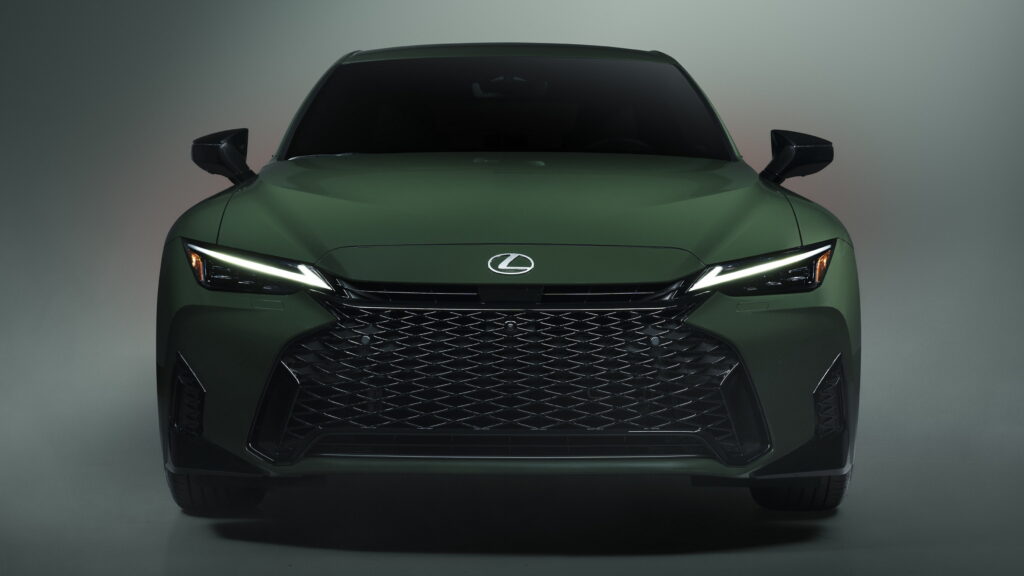
Cohen put the new technology through its paces on a personal project developed in his own free time, a futuristic, Lexus-badged EV. He started with a pair of quarter-view sketches showing the front and rear of a sleek, low-slung three-door hatchback. From there, AI took over, generating a complete set of visuals based on his creative prompts.
The car takes the form of a compact three-door hatchback with a streamlined, aerodynamic stance. A short nose, paired with a steeply raked supercar-style windshield and low-mounted LED headlights, gives the front end a planted, athletic look.
More: Buick’s New Concepts Look Suspiciously Ready For Production
The side profile sharpens that impression, with prominent fender flares and sculpted intakes that suggest a degree of performance. At the back, there is a glass canopy, slim LED taillights and an aggressive diffuser made of carbon fiber.
Cohen told us he always tries to give his designs an “impactful face”, describing the look of the concept as “a little robotic”. He imagined the C-pillars like arms that hold the volume together, and the rear end as “practical, upright, and solid”.
Details That Sell the Illusion


Antonin Cohen
Even for trained eyes, it is hard to distinguish the AI-made renderings from actual photos. The reflections and the texture of the materials is top notch, while the setup is close to what you’d expect from a professional photographer.
Cohen also generated “behind-the-scenes” images showing AI humans prepping the car for an imaginary press shoot. The concept looks particularly striking in a deep orange shade paired with contrasting black roof, pillars, accents, and wheels.
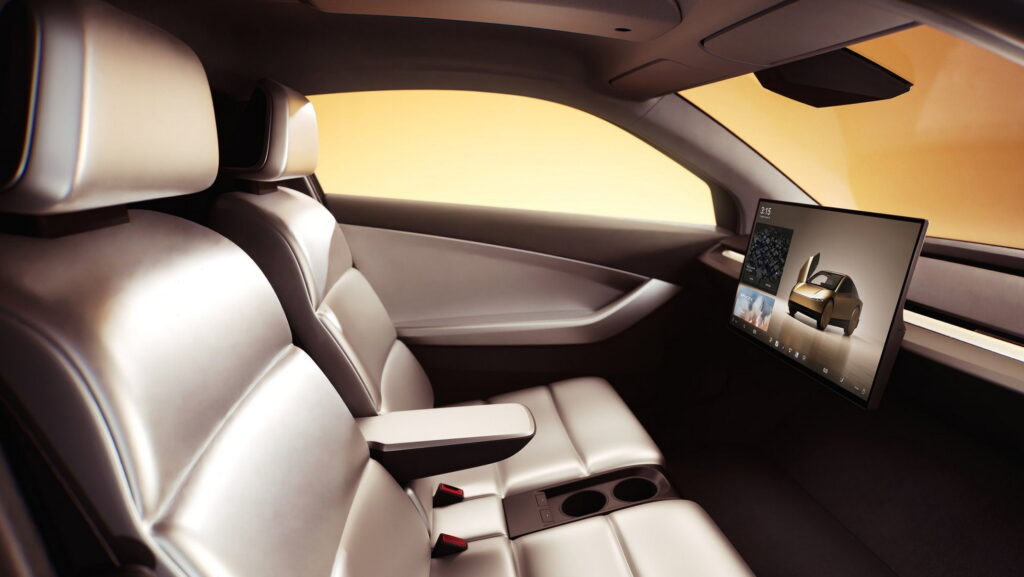
Some images even reveal the interior, featuring a sweeping digital cockpit and angled center console. One version pairs white leather-style materials with minimal trim, while another opts for a more textured feel, combining blue upholstery with wood accents.
The Real Benefit for Designers
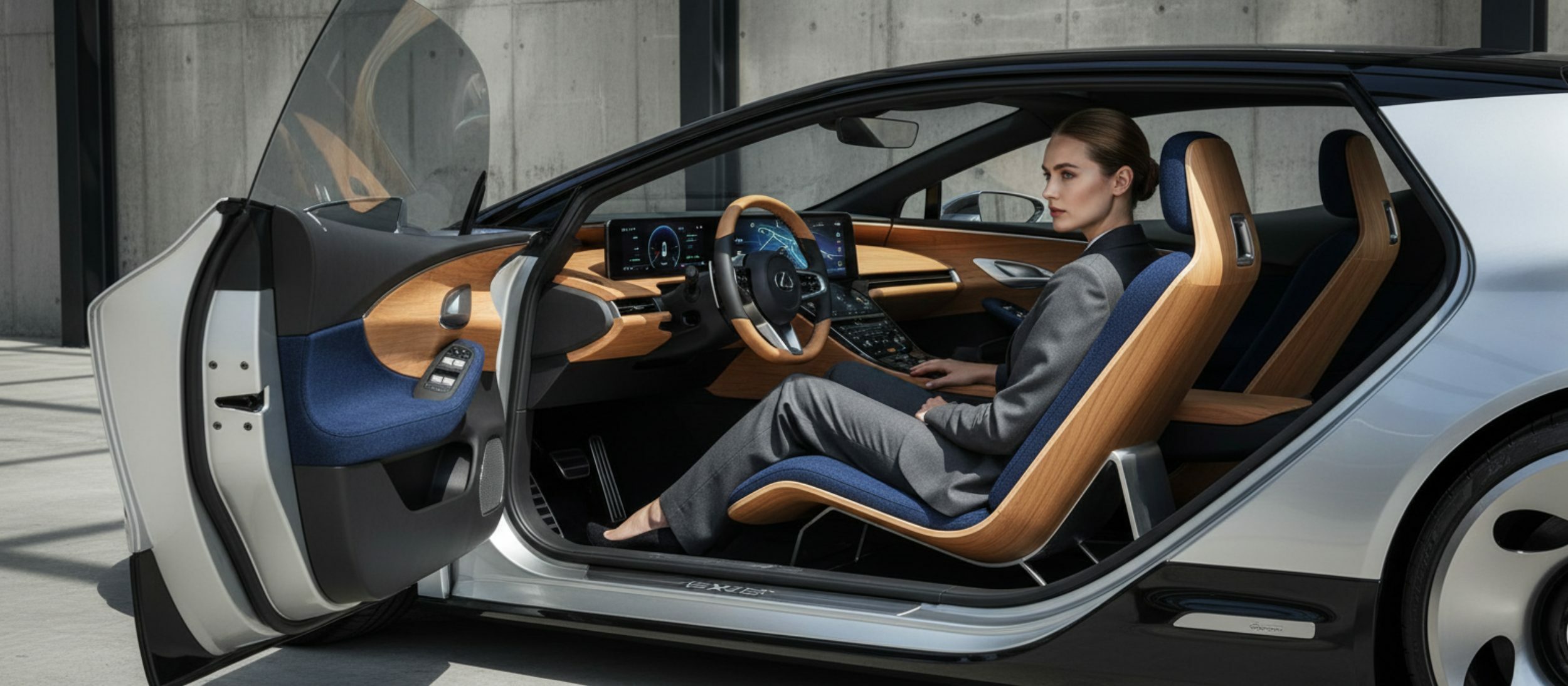
The prototype Lexus might be purely digital, but the process behind it highlights how AI tools can support, rather than replace, a designer’s vision. When used thoughtfully, they allow ideas to take shape faster and in greater detail, making it easier to pitch or refine early concepts.
More: French Carmaker Unlocks Its Secret Design Vault And The Scale Models You Can Buy Are Wild
Cohen put it this way: “AI allows us to focus purely on the creative side instead of spending time on rendering. I love illustration work – I’ve done sketches that took me three days – but sometimes you just don’t have that kind of time.”
He also offered a piece of advice to young designers: “No sketch is ever chosen for the quality of its reflections or how many hours you spent drawing the wheels. What really matters are the first few lines, regardless of the technique you use.”
We’d like to thank Antonin Cohen for sharing his project with us.