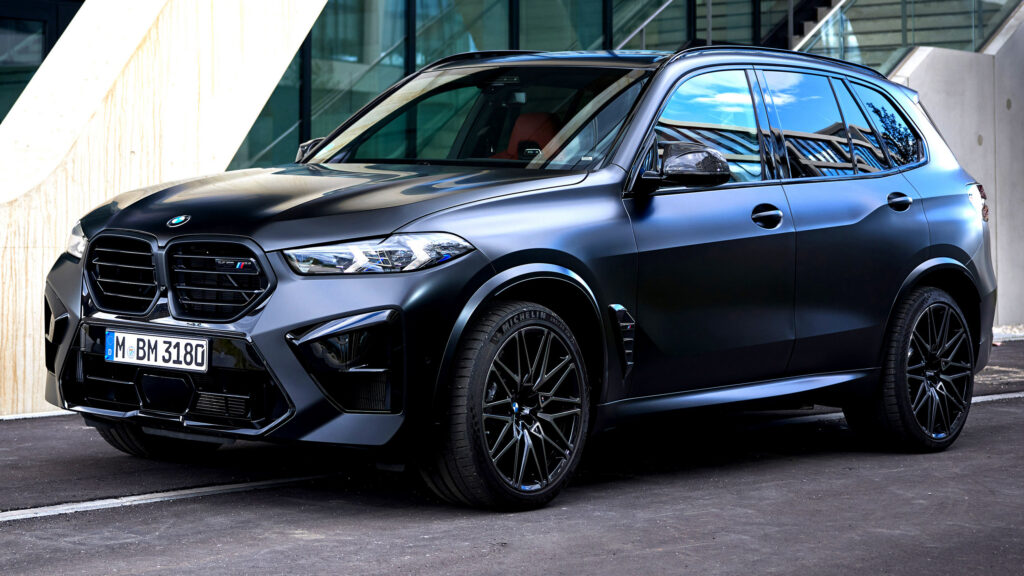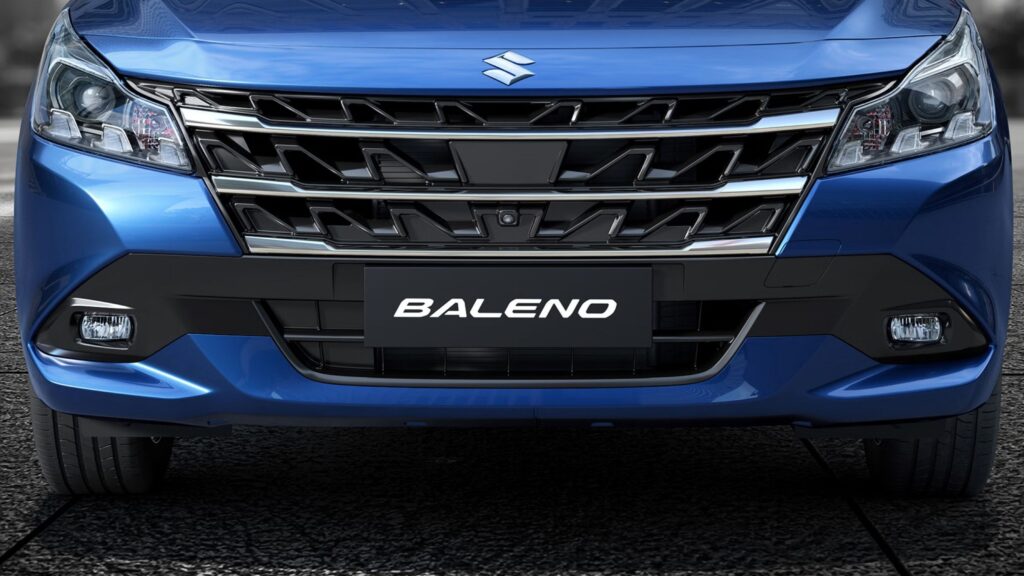
- Suzuki is now exporting two models from India to Japan.
- Honda, Toyota, and Nissan cut reverse import volumes last year.
- Toyota will import US-built models into Japan later this year.
More cars are being exported into Japan these days, but what’s surprising isn’t who’s sending them, it’s who’s making them. Japanese automakers are increasingly shipping vehicles back home from their own factories overseas, and last year, that trend reached a new high, breaking a record that had stood for nearly three decades.
A total of 111,513 vehicles built by Japanese companies at foreign plants were imported into Japan in 2025, marking a 19 percent rise over the previous year. That figure edged past the previous record of 107,092 set in 1995. Much of the jump can be traced back to one brand in particular: Suzuki.
Read: Suzuki’s 4-Door Jimny Nomade Finally Launches In Japan
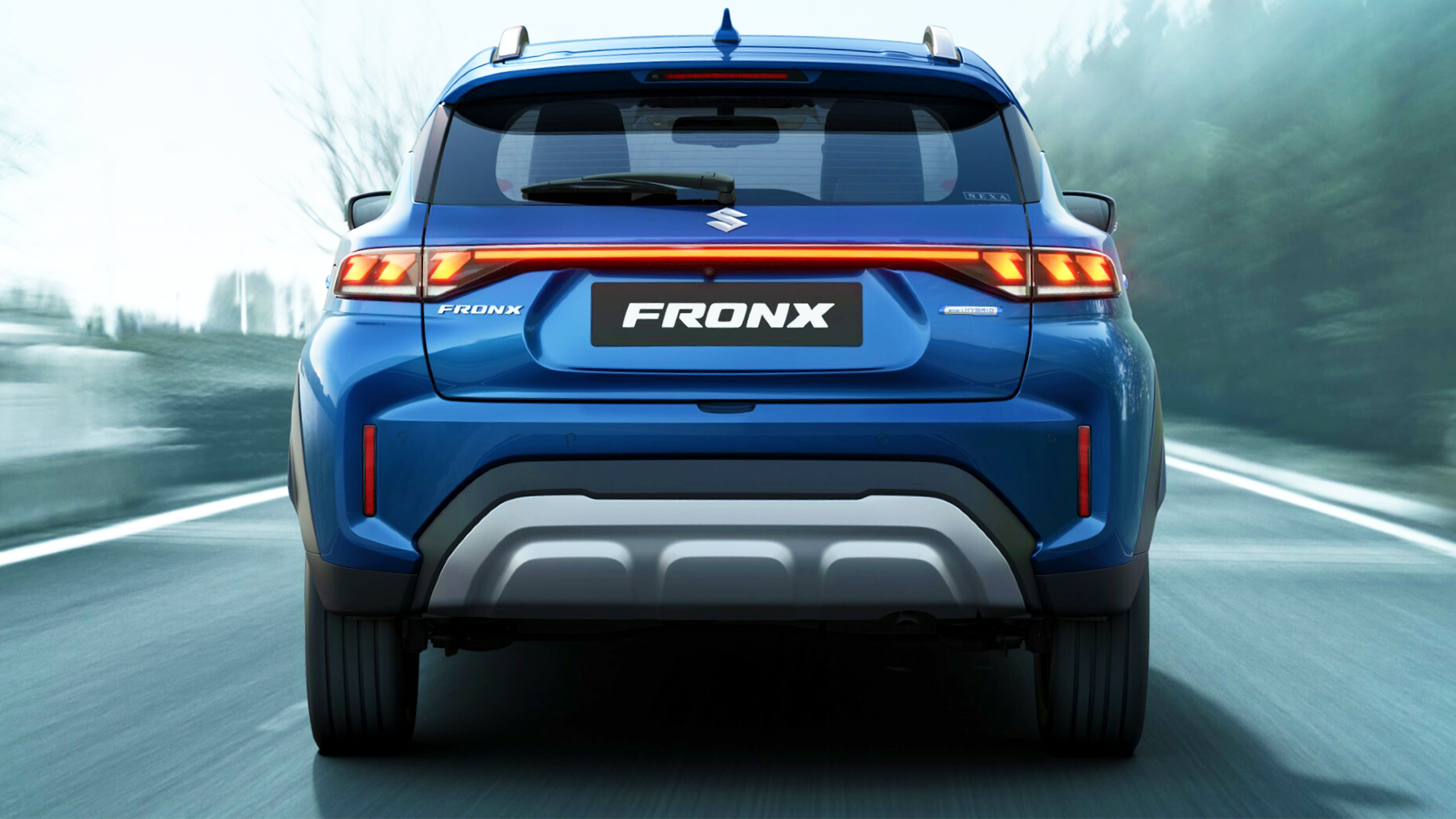
Suzuki’s contribution to the surge was nothing short of dramatic. The brand multiplied its reverse imports more than sevenfold, bringing in 43,266 vehicles over the year. A major reason was the long-awaited domestic launch of the five-door Jimny Nomade, built in India and now sold in Japan. Alongside the Jimny, Suzuki also imports the Fronx SUV from India to its home market.
Others Scale Back
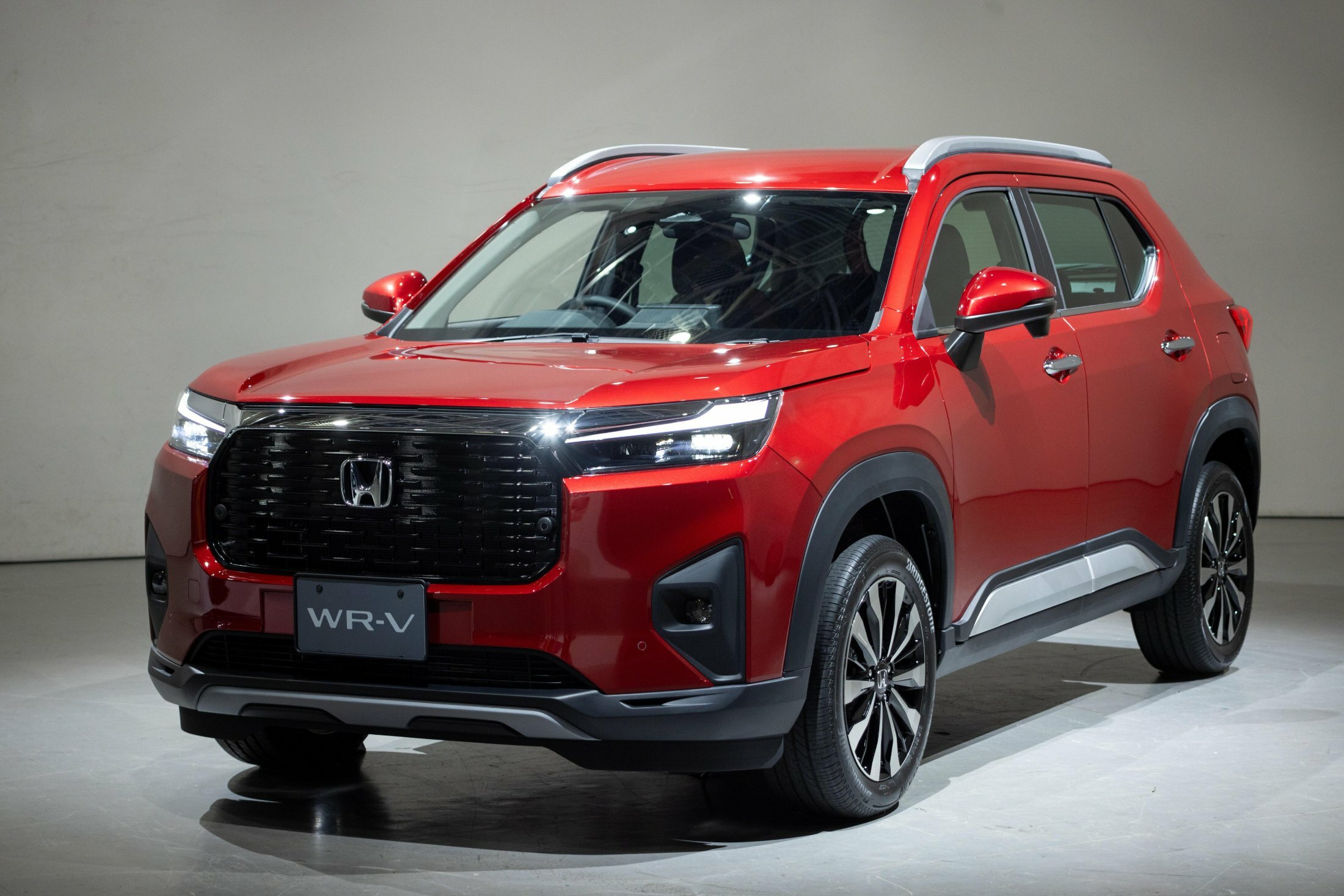
While Suzuki was surging ahead, not every automaker followed suit. Several major brands actually scaled back their reverse imports. According to Nikkei Asia, Honda saw an 18 percent drop, with 37,022 units imported. The decline was mostly due to a cut in the number of WR-V SUVs sent from India.
Nissan saw a steeper fall of 33 percent, down to 9,595 vehicles, and Toyota mirrored that with a 33 percent dip to 9,587.
This year could shape up to be a very different one for Toyota. The automotive juggernaut recently confirmed that later this year it will start importing three key American-made models into Japan, likely to appease the man behind the Resolute Desk.
The company says it will bring in the Camry sedan, the Highlander SUV, and the full-size Tundra pickup truck, describing the decision as a way to “meet the diverse needs of a broad range of customers, while also helping to improve Japan-US trade relations.”
Of course, simply selling these models in Japan won’t guarantee Toyota success. Price will be a major factor. If these imports arrive with a steep sticker, demand may be limited. There’s also the question of buyer preferences. Japanese consumers have long leaned toward compact vehicles and minivans, so convincing them to opt for a sizable SUV like the Highlander could prove to be a slow sell.