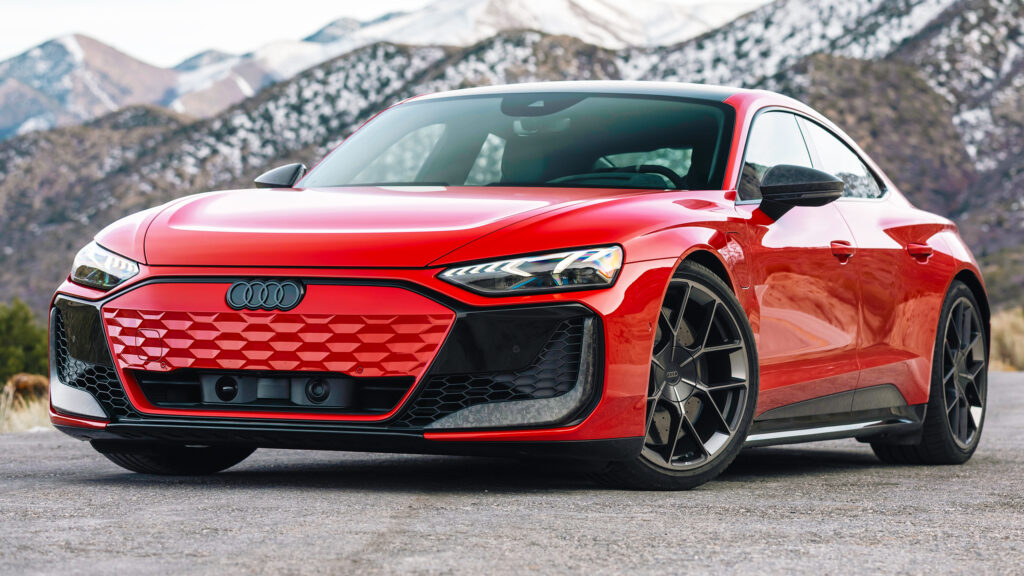



- EU may replace tariffs on Chinese EVs with price controls.
- Minimum pricing could ease tensions but still limit imports.
- Policy shift would protect European-built cars from China.
After months of trade tension and shifting political winds, the European Union is now considering a dramatic reversal of its electric vehicle policy. Just 18 months after introducing steep tariffs aimed at shielding domestic manufacturers from a flood of Chinese EVs, officials are weighing a new approach that could scrap those levies altogether.
But that doesn’t mean those Chinese automakers will have things their own way.
Related: Europe Tried To Block Chinese Cars But Ended Up Helping Them Instead
Instead of tariffs of up to 45 percent, the exact rate varying depending on how much financial assistance the EU investigators believed each Chinese brand got from the Chinese government, the EU is looking into setting minimum prices for the Asian imports.
Chinese companies would need to submit pricing proposals “adequate to eliminate the injurious effects of the subsidies and provide equivalent effect to duties,” according to a European Commission document seen by the South China Morning Post. Other factors, such as planned future investments in the EU, would be taken into account, the report says.
Trade Tensions
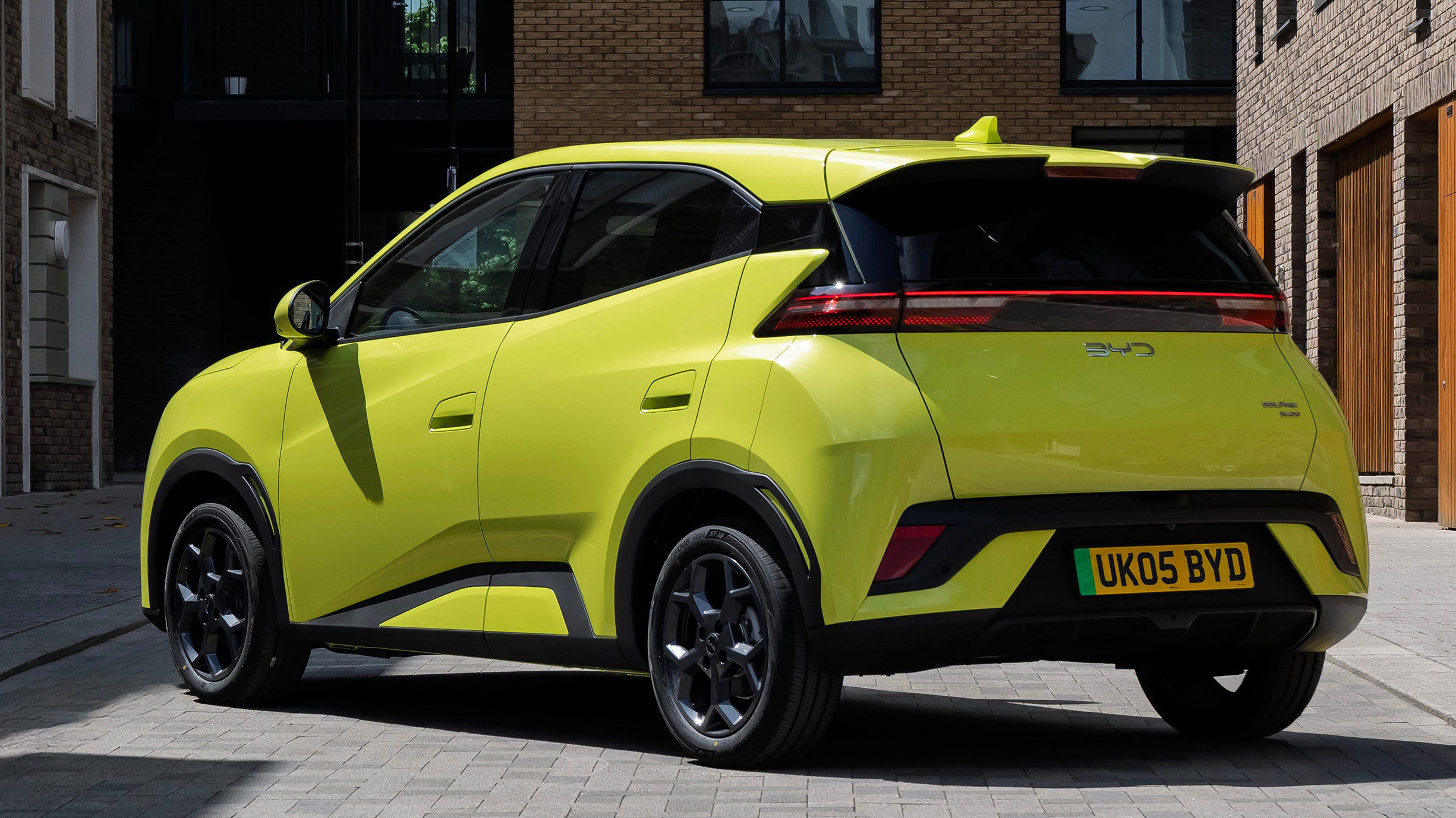
A minimum price would allow Western automakers building cars within the EU to compete with the likes of BYD and Chery. But because the Chinese brands wouldn’t have to hand over tariff cash and would instead keep profits, the system would ease trade tensions between the two regions.
After the EU slapped tariffs on imported EVs, China responded by introducing tariffs on goods heading the other way, including dairy, pork, and brandy, Bloomberg reports.
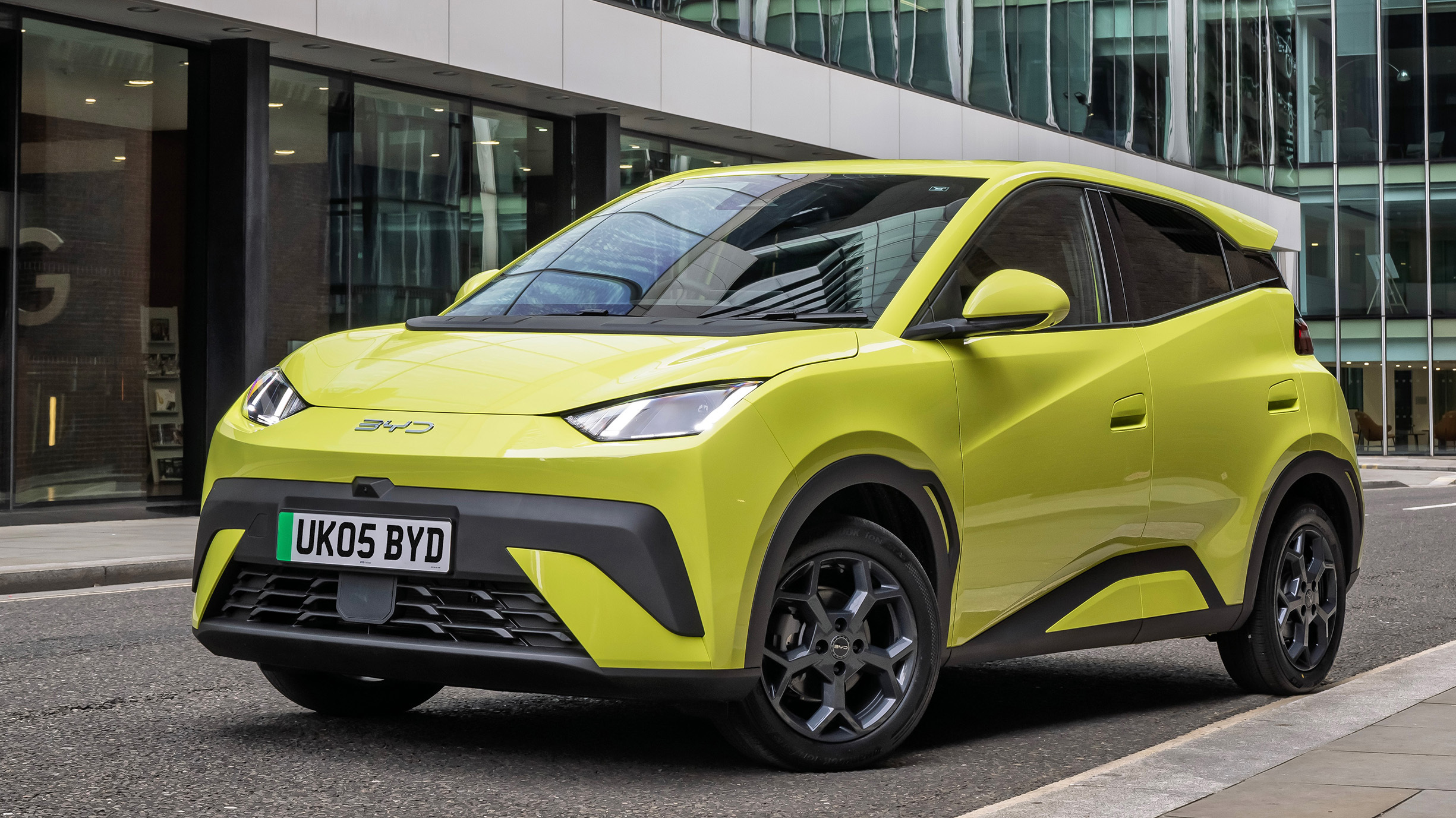
The EU’s tariffs ironically hurt some of the Western brands they were supposed to help, because cars like the BMW iX3, which was made in China and shipped to Europe for sale, were also subject to the duties. Volvo moved its Euro-market production of EX30 electric SUVs from China to Belgium to escape the tariffs.
Unstoppable
And despite the introduction of those tariffs, Chinese brands have taken an increasingly large share of the European car market. Its EVs continued to prove popular, but its hybrid models, which are not subject to tariffs, have been flying out of showrooms.
In 2024, Chinese cars accounted for around 2.5 percent of European sales; by the end of last year that had grown to around 7 percent, and almost one in every 10 cars sold in the UK in 2025 came with a Chinese badge.