










- Canadian-built vehicles saw sticker prices jump nearly 10 %.
- South Korean and US built models held steadier on pricing.
- Tariff costs have been quietly baked into model year updates.
When President Trump’s tariffs first landed, predictions of huge price hikes flew around like confetti. A year later, a study shows the reality is much more complicated and that while some prices have climbed, not every vehicle is affected.
A VIN-level analysis by CatalystIQ looked at millions of advertised prices from late 2025 through early February. The results show that vehicles assembled in Canada, Japan, Germany and Mexico have seen the sharpest sticker increases over the past seven months.
More: GM Plans To Import Half A Million SUVs, Despite Tariffs
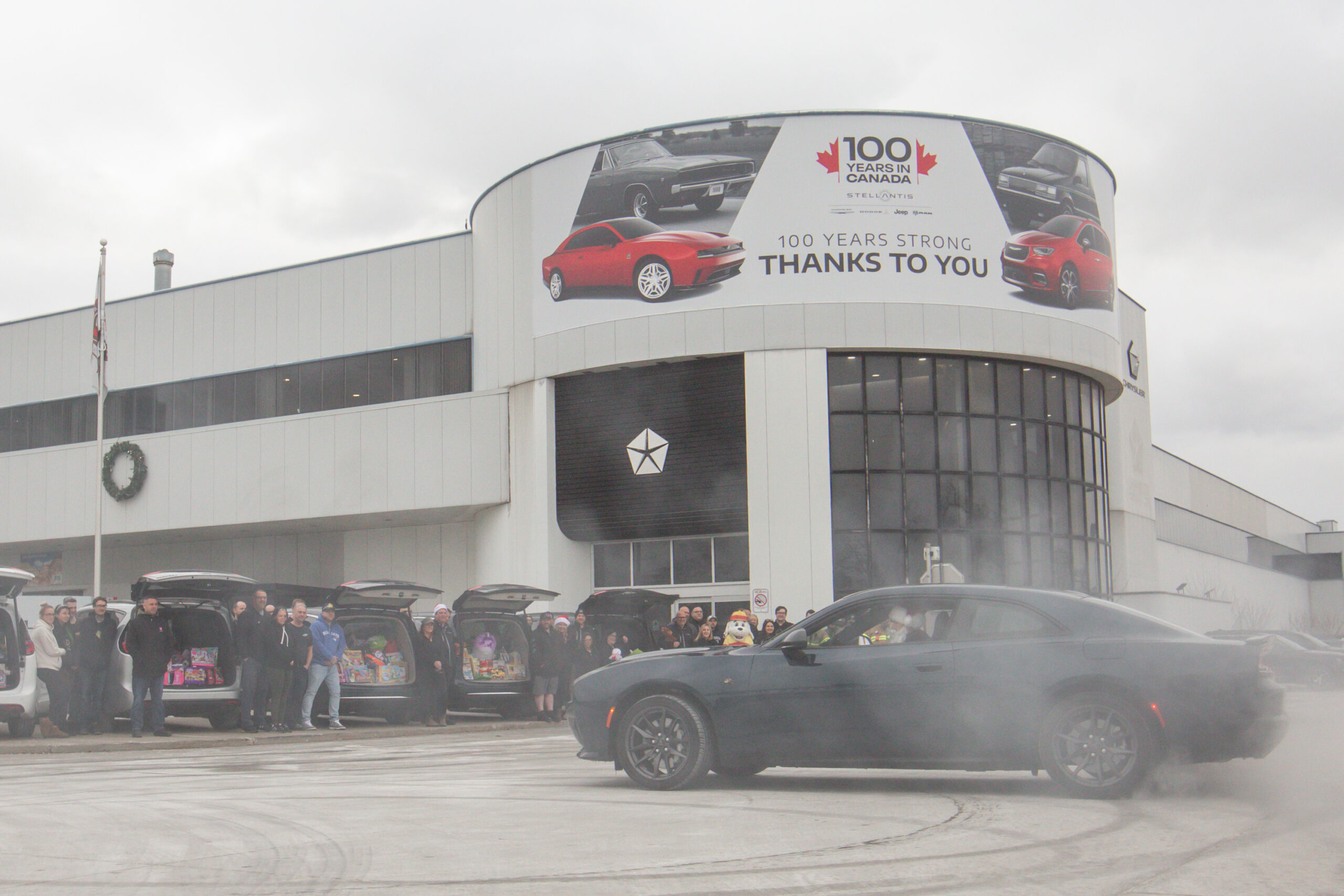
Canadian-built models lead the charge with nearly a 10 percent jump, Auto News reports. That works out to almost $4,000 more on average since October for Canadian assembled vehicles. Japanese models climbed by about $3,300, German cars by just over $2,800, and Mexican built vehicles by more than $1,500.
Korea Kept Prices Down
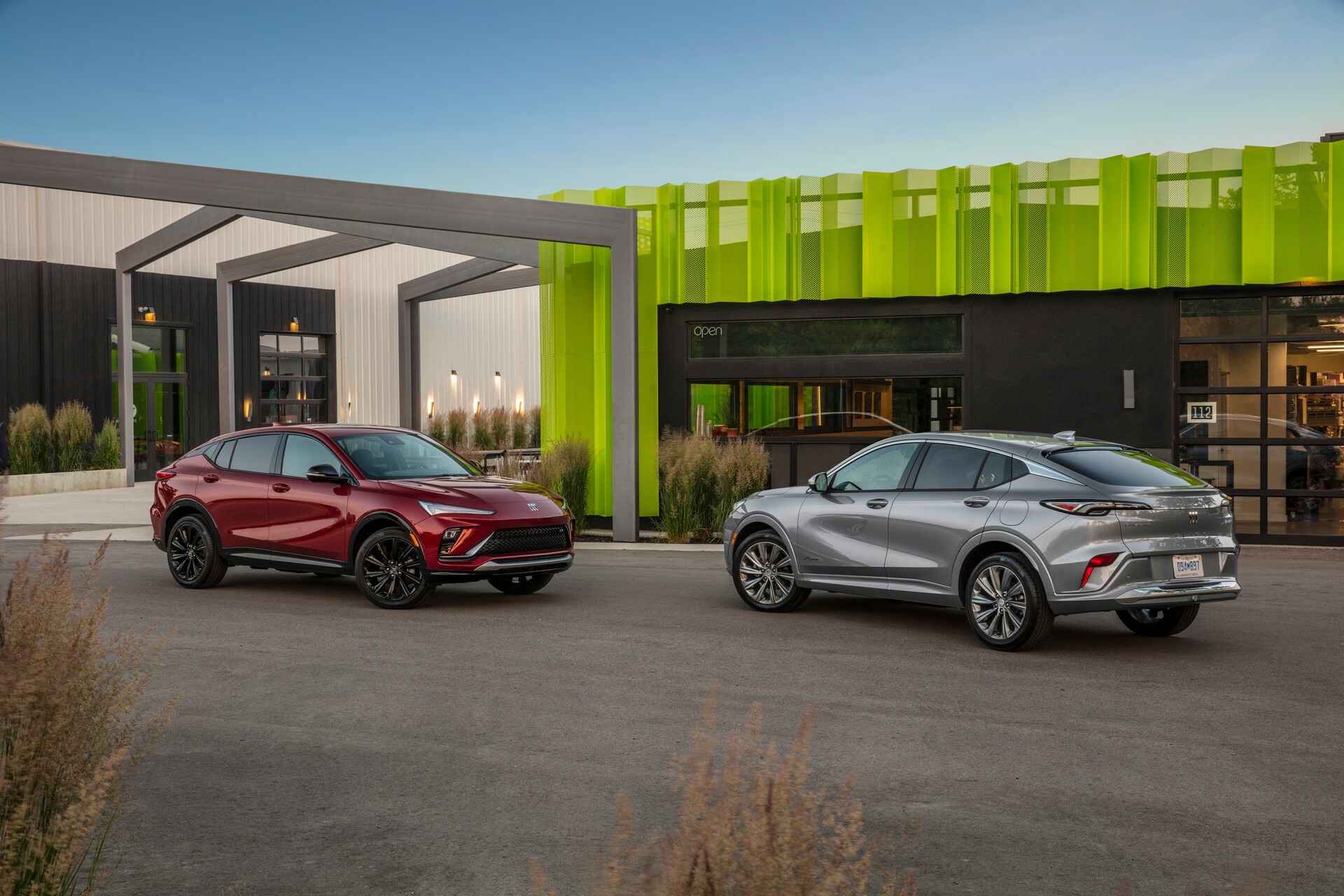
But vehicles assembled in South Korea actually saw sticker prices dip slightly, and as expected, US-built models avoided the same upward surge. In other words, not all cars are being treated equally at checkout.
“At the very beginning, there were predictions that prices were going to go up by $5,000 or $8,000 or whatever as a result, and that didn’t happen,” Rick Wainschel, vice president of analytics at CatalystIQ, told Auto News, noting that many automakers initially took a wait-and-see approach.
Part of the magic trick lies in timing. Some automakers largely kept quiet when tariffs were first rolled out, wary of drawing unwanted attention. Instead, many appear to have folded higher costs into model year changeovers. According to CatalystIQ, this year’s changeover was roughly $1,200 more aggressive than last year on a weighted average.
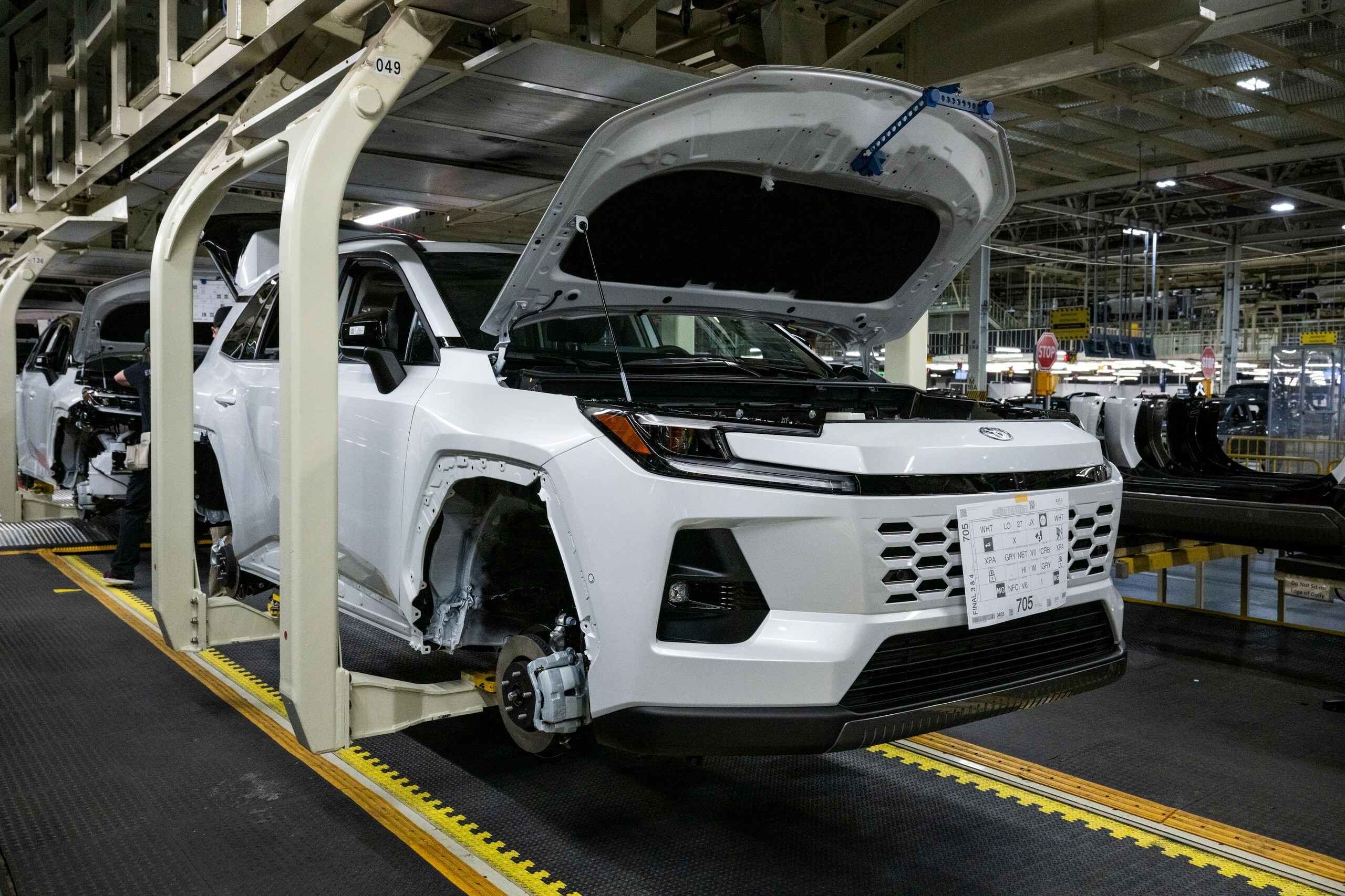
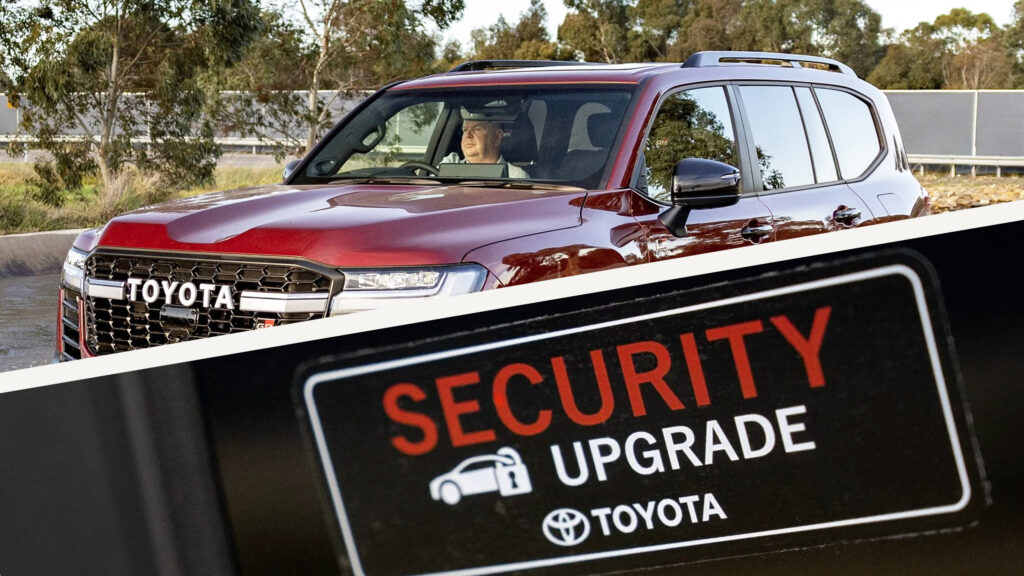
In some cases, wary buyers can at least feel like they’re getting something in return for the bigger bill. The Canadian-built Toyota RAV4, for instance, switched to an all-hybrid lineup for 2026, pushing its starting price higher and skewing some of the data.
More: Supreme Court Strikes Down Trump’s Tariffs, But Car Buyers May Be In For A Surprise
The move raised the RAV4’s base price to $33,350 for 2026 from $31,250 for 2025 models, including destination. Still, the broader trend remains. Allied imports are rising faster than domestic and South Korean models.
US Market Share Climbing
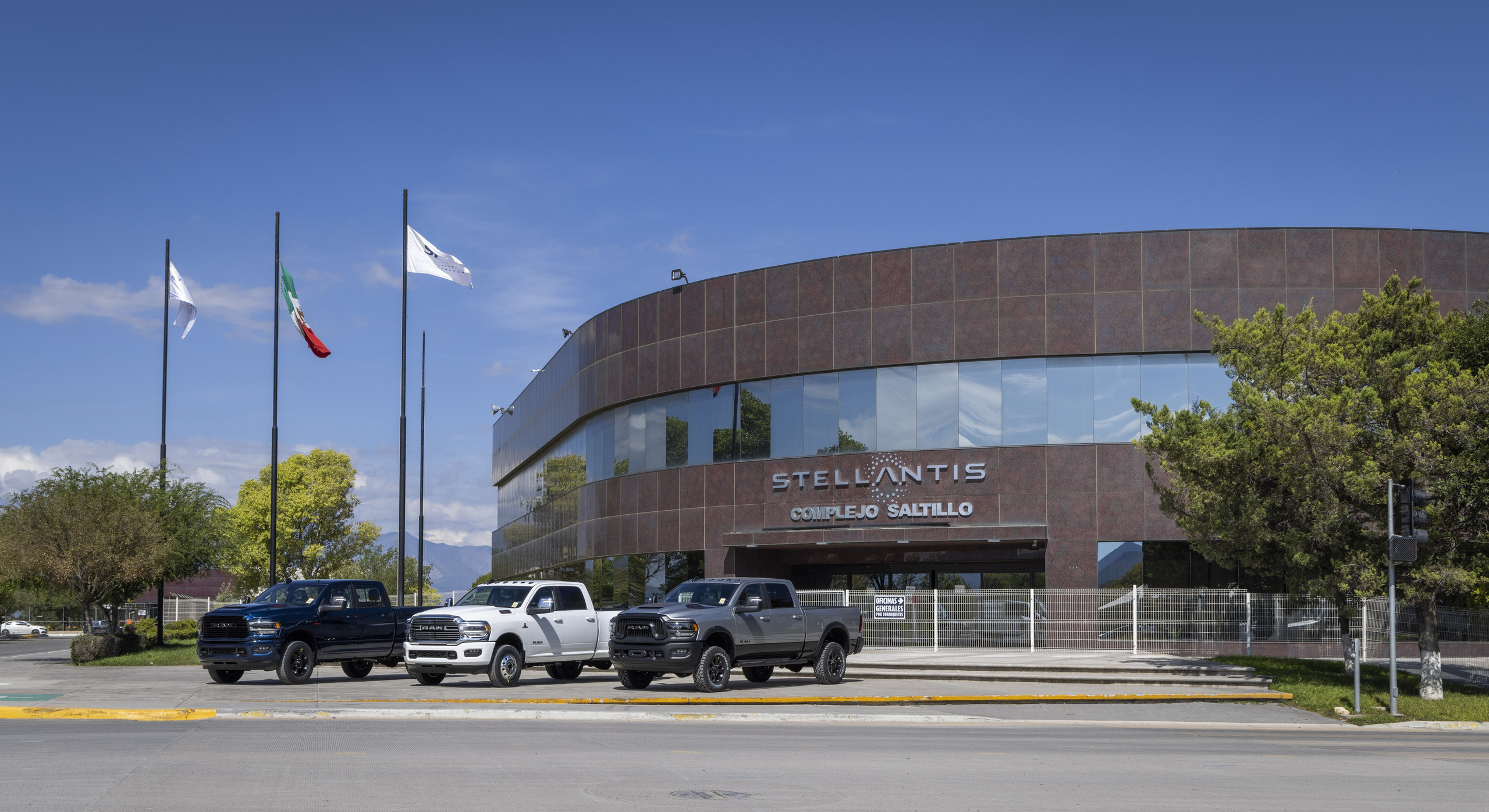
The shift is starting to move market share. US-built vehicles are expected to account for more than 55 percent of sales this month, the report says, up 4 percentage points year over year. Affected automakers have been absorbing much of the tariff hit, which has squeezed profit margins, but as one Toyota exec explained to Auto News, they can only hold on for so long.
Also: Trump Layers On New Tariffs, And Automakers Brace For Impact
A recent Federal Reserve Bank of Chicago analysis, citing Bain & Co., shows how costly that strategy has been. Automakers’ EBIT margins slid from 8.1 percent in mid-2024 to 3.9 percent during the first three quarters of 2025 as companies shielded buyers from the full tariff impact. Over the same period, federal tariff collections climbed sharply, reaching nearly $125 billion since Oct. 1.