









- Porsche launches recovery plan after steep 2025 sales declines.
- CEO Michael Leiters aims to make the brand leaner and faster.
- Strategy adds higher margin models and extends ICE hybrids.
Porsche has outlined a recovery plan after a bruising year, aiming to streamline operations and cut costs as it works to regain its financial footing. Under new CEO Michael Leiters, the former McLaren and Ferrari executive, the company hopes to restore its reputation as a profit powerhouse while reshaping itself into what Leiters calls a “leaner, faster, and even more desirable” brand. He took over at the start of the year, replacing Oliver Blume.
A Year Of Tough Numbers
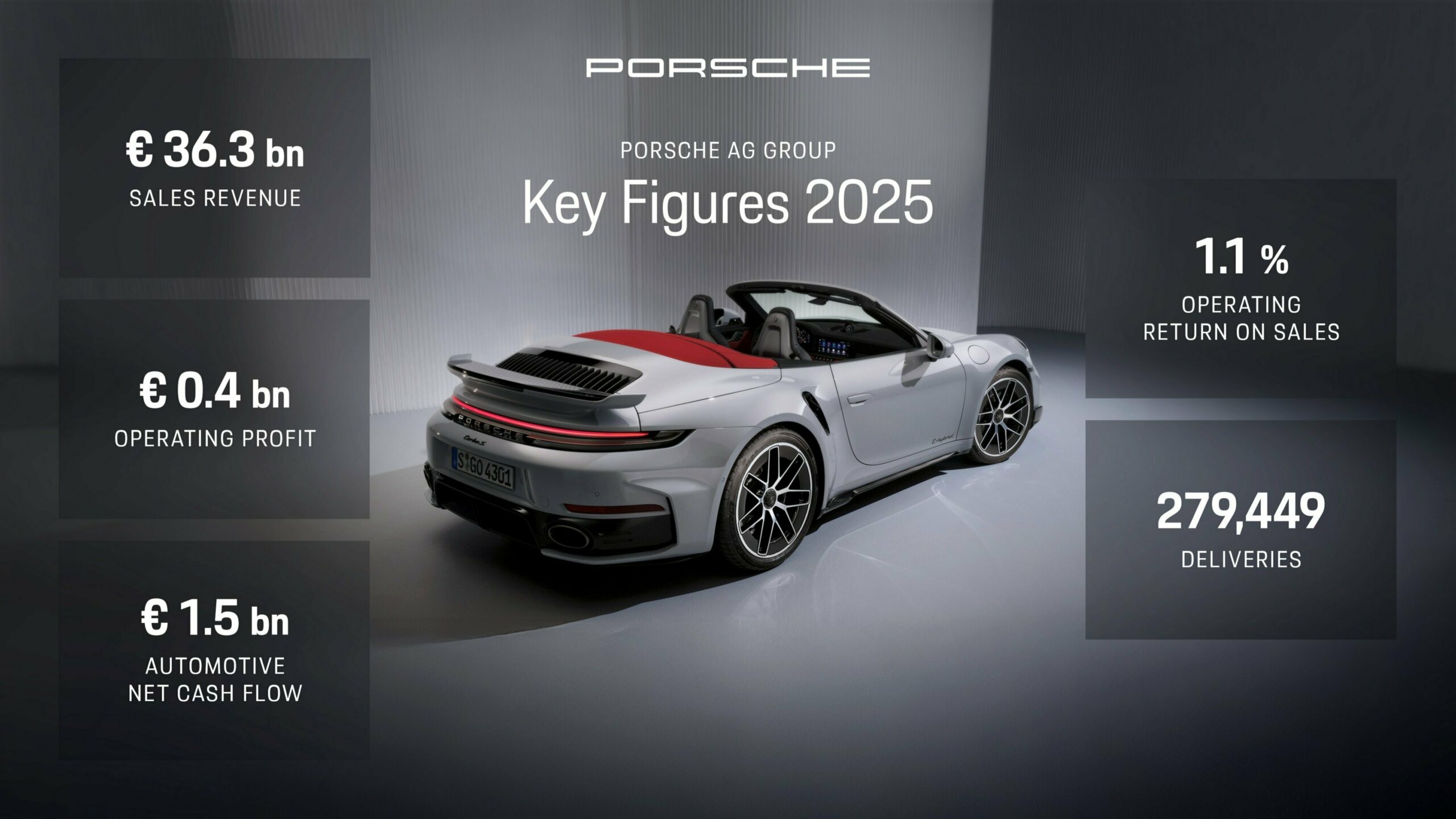
The reset follows a difficult set of results. Porsche’s operating profit plunged 92.7% from €5.64 billion ($6.55 billion) in 2024 to just €413 million ($479 million) in 2025. Revenue also slipped, falling 9.5% to €36.27 billion ($42.10 billion). Operating return on sales shrank to a narrow 1.1%, while global deliveries dropped to 279,449 units, down 10.1%.
More: Porsche Posts Its Biggest Drop In Sixteen Years
Several factors combined to produce that outcome. Porsche booked €3.1 billion ($3.6 billion) in one-time restructuring charges, absorbed €700 million ($813 million) related to US tariffs, and faced a steep 26% drop in sales in China.
Porsche CFO Dr. Jochen Breckner said: “The global challenges and the company’s realignment impacted earnings in 2025. In 2026, our recalibrations measures will continue to have one-off effects on earnings in the high three-digit million euros range. In order to secure adequate margins by Porsche standards in the medium term and strengthen our resilience in the long term, we accept these burdens.”
The Solution
During Porsche’s annual press conference in Stuttgart, Leiters acknowledged that the turnaround plan is still taking shape. With the new leadership only just past its first 100 days, he admitted the company does not yet have “an answer to every question or a solution for every problem.” Even so, he used the event to outline the direction Porsche intends to take.
“We will streamline our management structure, reduce hierarchies and cut back on bureaucracy. We have also already begun to focus more strongly on our core business. We are using the current challenges as an opportunity to act even more decisively. We will comprehensively reposition Porsche, make the company leaner, faster and the products even more desirable.”
More: Porsche’s US Sales Rose Thanks To Cars It’s About To Kill
Porsche is also planning significant changes in China, where the company intends to shrink its dealer network from 150 outlets to just 80 by the end of 2026 in an effort to protect pricing power.
Expanding The Lineup
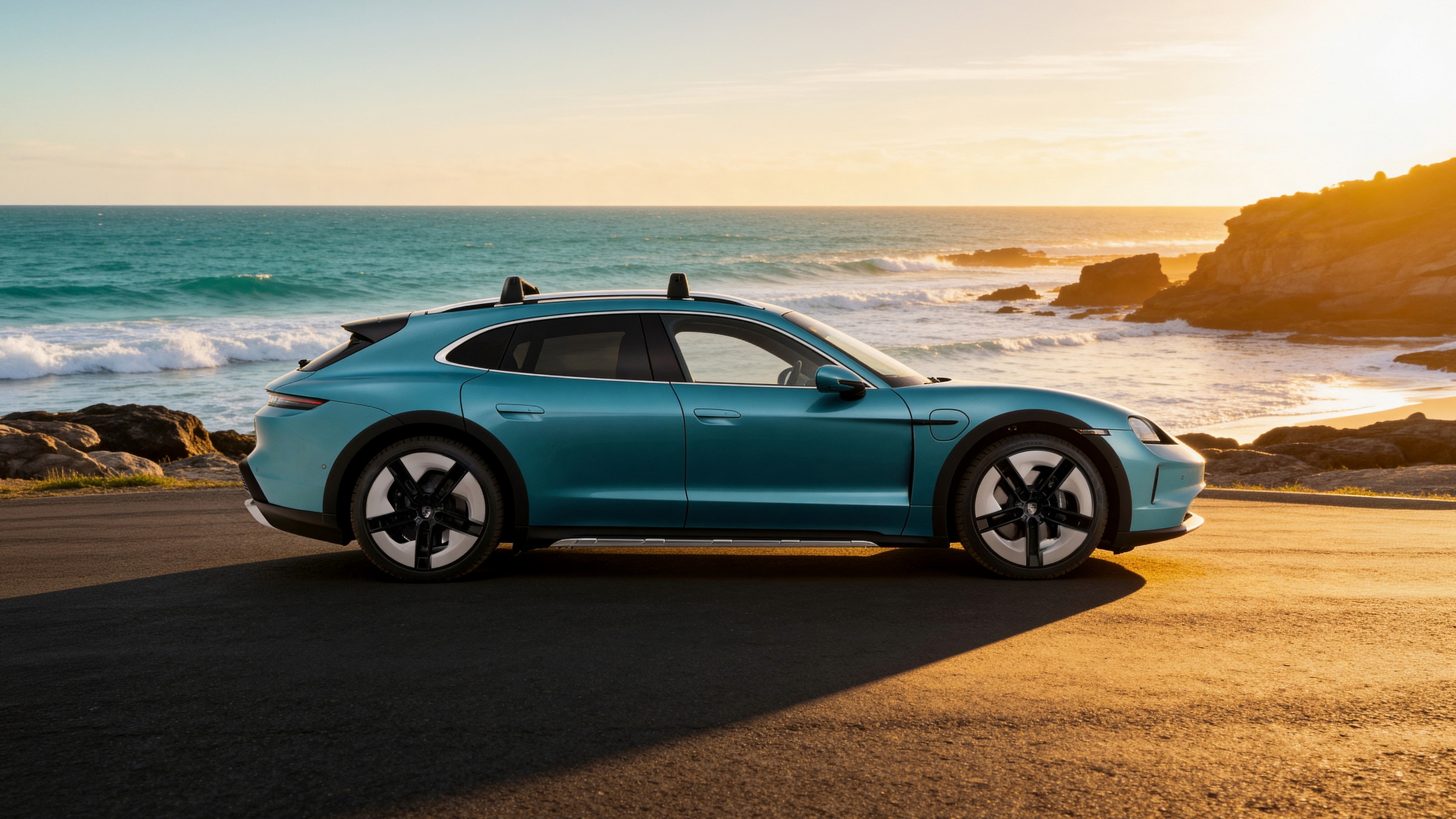
To stop the bleeding, Leiters is looking upmarket. One of the first moves will be to simplify Porsche’s product portfolio by cutting complexity and reducing the number of variants. According to the CEO, the changes will focus on models with weaker demand, which likely points to the Taycan. Even so, Porsche says it plans to introduce “emotive new derivatives” of certain models later this year, though it has not revealed exactly which ones.
More: Porsche’s Mega SUV Drops EV Plan For V8 Power And An Audi Link
At the same time, Porsche’s boss confirmed the company is developing new models aimed squarely at higher-margin segments. “We stand for uncompromisingly good sports cars that you want to drive yourself, that are fun, that convey performance and passion. And all this regardless of the type of powertrain,” said Leiters.
“We are considering the expansion of our product portfolio in order to grow in higher-margin segments. In doing so, we are looking at models and derivatives both above our current two-door sports cars and above the Cayenne,” he added
Porsche’s Next Halo Car?
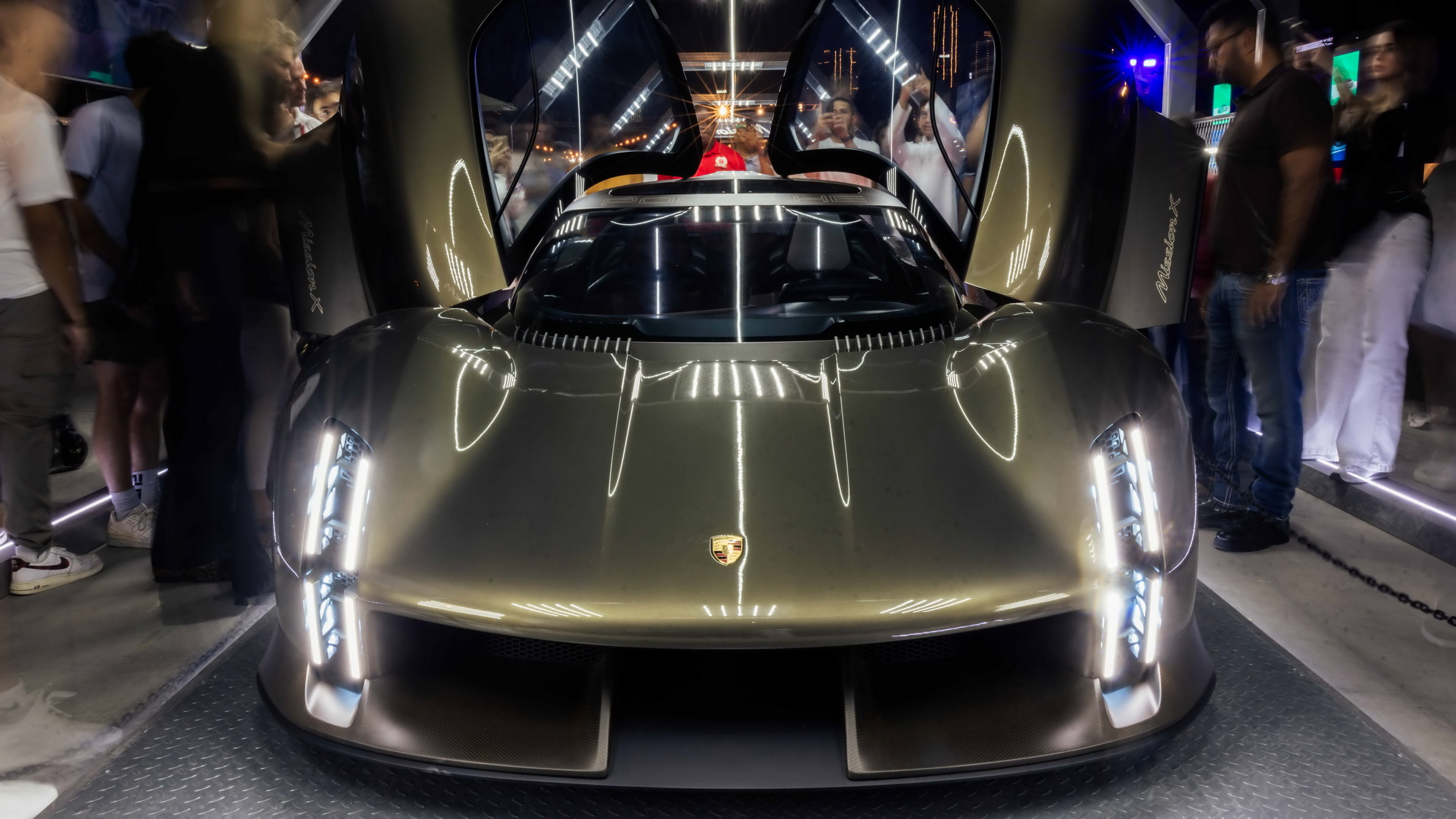
The reference to two-door sports cars clearly points to the 911. What might sit above it is less clear. Leiters did not elaborate, but the possibilities range from a modern interpretation of the 928 to something far more exotic, such as a supercar or even a flagship hypercar.
Read: Porsche 928 Conceptualized As A Modern Electric Coupe For 2030
Porsche has been exploring that territory for years, with potential successors to the 918 Spyder. The Mission X concept hinted at one possible direction before enthusiasm for electric hypercars cooled.

The other confirmed project is a long-rumored three-row SUV flagship positioned above the Cayenne. Codenamed K1, it is expected to target markets such as the United States and the Middle East and could offer V6 or V8 powertrains.
The new offerings will benefit from the expansion of “high-margin customization programs” that will “further strengthen the exclusivity of the brand” helping it move into a new territory closer to the likes of Ferrari and Lamborghini.
ICE Life Support And EV Reality Check
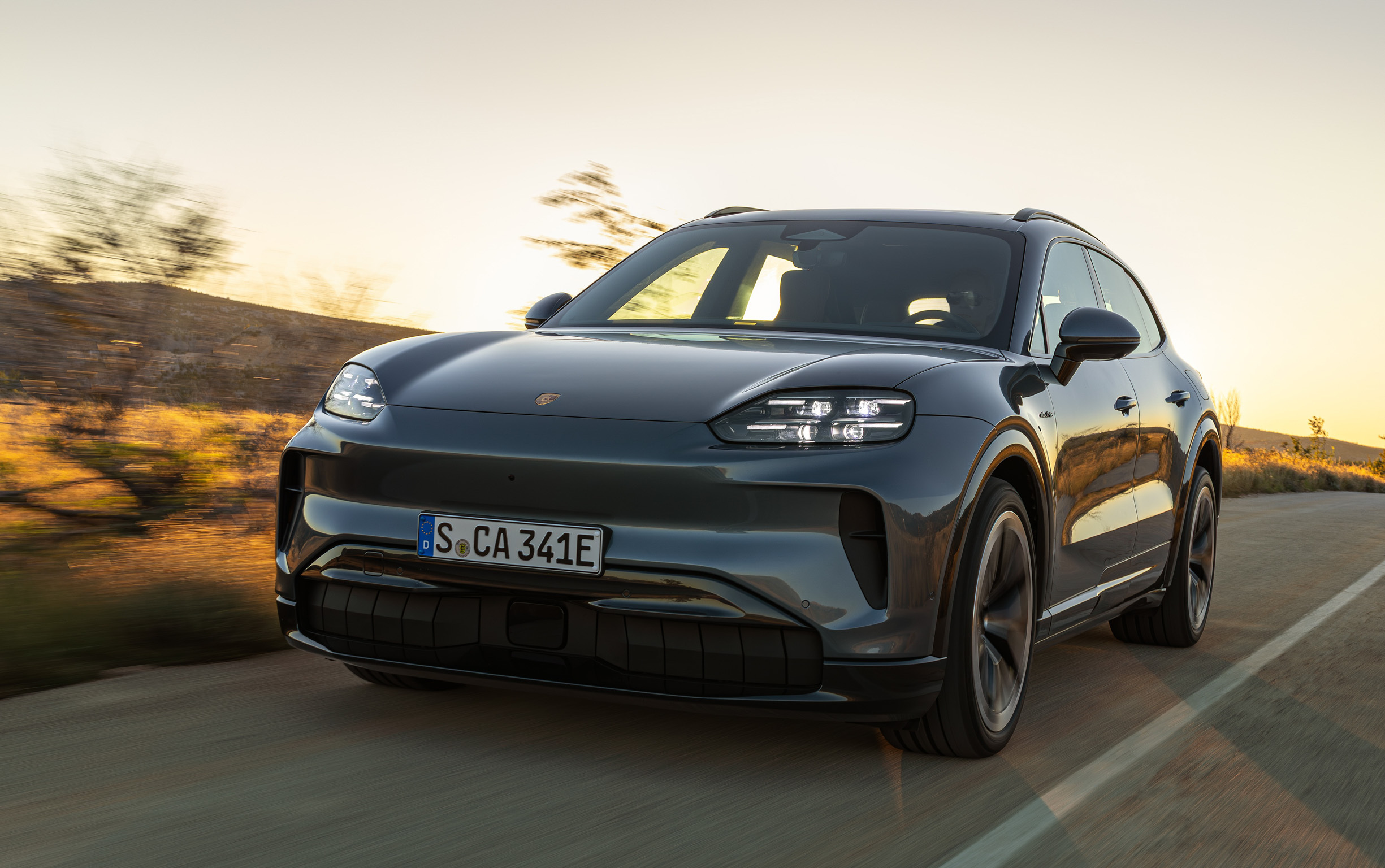
Leiters acknowledged that Porsche needs to rethink what he called “the right drive technology.” Early momentum behind the fully electric Taycan has run into a tougher reality as regulations, demand patterns, and customer expectations have shifted in recent years. Slower-than-expected demand has forced the company to “adjust the ramp-up and portfolio of fully electric vehicles while extending the life of combustion and hybrid offerings.”
More: Porsche’s Next Sedan Could Replace Both The Panamera And Taycan
The ultimate goal is to reduce upfront and direct costs by “fundamentally rethinking the development of our sports cars.” In the process, Leiters effectively confirmed earlier reports that the next generation of the 718 series will follow a multi-energy path. Porsche also plans to “leverage further synergies between our models,” using platforms and industry solutions more flexibly.