- Chinese car sales fell 34 percent year-over-year in February.
- Reduced incentives and Lunar New Year slowed demand.
- Exports stayed strong but face risks from Middle East unrest.
China’s auto industry lost steam in February, logging its steepest decline in two years. Data from the China Association of Automobile Manufacturers shows total vehicle shipments, including domestic deliveries and exports, fell 15.4 percent. After a long period of aggressive discounting and uneven recovery, the numbers are pointing to a market that is still seeking stability.
See: Chinese Carmakers Are Selling More Cars Abroad Than At Home
The most significant weakness came from domestic buyers. Passenger car sales fell about 34 percent year over year within China to about 950,000 vehicles. February was softer due to the Chinese New Year, which shortens the selling calendar, but the impact is unlikely to be due to holidays only, analysts say.
In fact, trade-in incentives have been scaled back in several regions, and continued stress in the property sector has made consumers more wary of making large purchases.
Overseas To The Rescue

Exports took the opposite direction. Shipments abroad rose by some 58 percent from a year earlier to almost 590,000 vehicles. Chinese brands are rapidly penetrating Southeast Asia, the Middle East, Latin America, and parts of Europe by offering competitive pricing and attractive electric vehicle line-ups to make inroads. Even that growth had been unable to offset the slump in home sales, leaving the industry negative overall for the month.
EV Demand Slows
The bigger picture points to a transitioning market. Government subsidies were once responsible for the rapid expansion of EVs, but with support measures subsiding, buyers are showing signs of a slowdown. Sales of electric and plug-in hybrid cars in the domestic market dropped 30 percent across the first two months, a major reversal from the 17.7 percent growth recorded during 2025.
Meanwhile, the production capacity is high. Dealers are sitting on elevated levels of inventory, and manufacturers have acted with repeated price cuts. That strategy helps to move cars but kills profit margins.
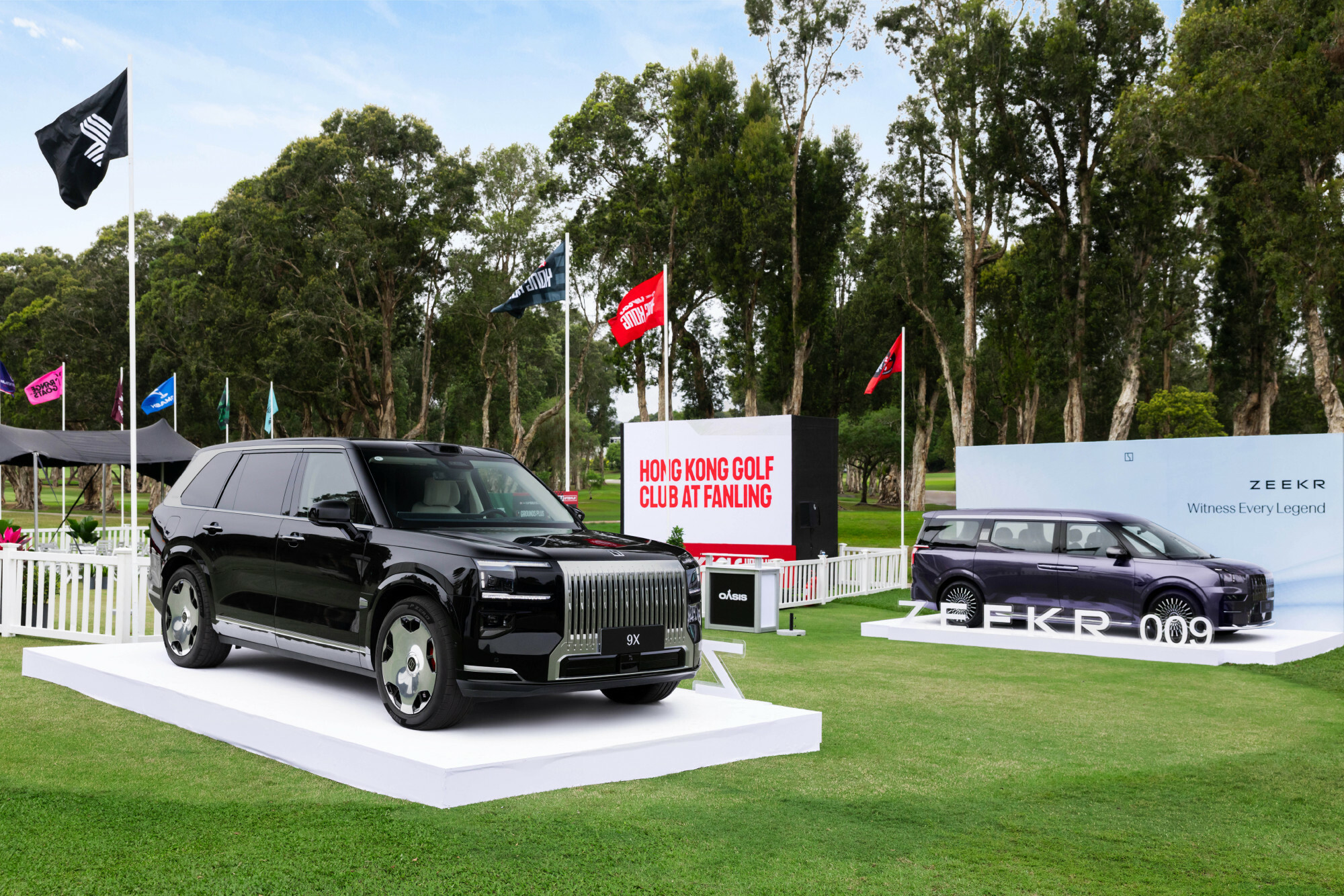
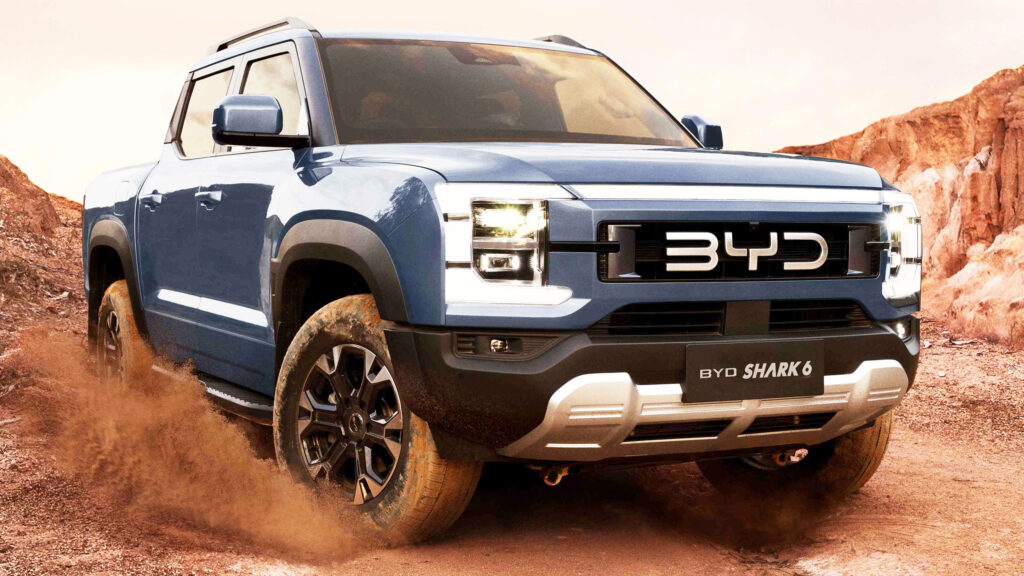
Results weren’t exactly the same across the board, though. While some manufacturers reported steep declines in local sales, others have been able to use new model launches and overseas pushes to their advantage. For instance, BYD has been making inroads in Asia, the UK, and South America, while Bloomberg reports that Geely entered 13 new markets in 2025.
One might conclude that, even though government subsidies are evaporating, demand for the right products still exists. Though competition continues to ramp up and buyers get a bit more selective at home, the virtues of well-priced options in new markets seems to be a winning combo for some Chinese automakers.
There’s one big cloud that continues to hang over exports, though: the Iran war. With the Middle East accounting for around 20 percent of Chinese exports, the threat of a long-term conflict and the ensuing disruption to shipping, supply chains, and consumer sentiment throws a spanner in the works for export predictions.