- Dealers are increasing their incentive spending on their most popular models.
- New car prices are stable despite global events driving up the prices of oil and gas.
- Transactional values remain high, as dealers offer deals amidst 2026 model refreshes.
Despite rising oil and gas prices, new car prices appear to be holding relatively steady. One reason is that automakers are once again slapping more money on the hood. Incentives are increasing, which is helping bring down real-world transaction prices. This remains the case even as new revisions arrive for some of the best-selling models including the Toyota RAV4.
Over the past year, discounts funded by manufacturers, special financing offers and lease deals have returned on a regular basis. During the worst supply shortages, there was little reason for manufacturers to negotiate. Inventory was tight with intense demand. However, that environment looks to be changing. Dealer lots are filling up and companies are working harder to maintain the strong sales momentum.
Incentives Pushing Buying, But Increase Sales Prices

Production has stabilized throughout much of the industry, so shoppers have more options on the ground. With more vehicles to choose from, the emergency that drove prices to unprecedented levels has dissipated. To prevent vehicles from being parked for too long, brands are re-introducing cash rebates and competitive financing rates, particularly on high-volume SUVs and pick-ups.
More: Global Oil Shock Triggers The Largest Ever Strategic Reserve Release As Gas Prices Surge
In February, the average incentive spending was $1,611, 34 percent up on January, and a whopping 76% up from February 2025, when the average incentive spend was just $698. With incentives back on the table, average transaction prices are increasing, even though the real-world affordability is improving.
According to the CDK Affordability Tracker, in February the average transaction price of $35,533 for the best-selling cars in February is $109 less than January, but still $136 up from the same month in 2025.

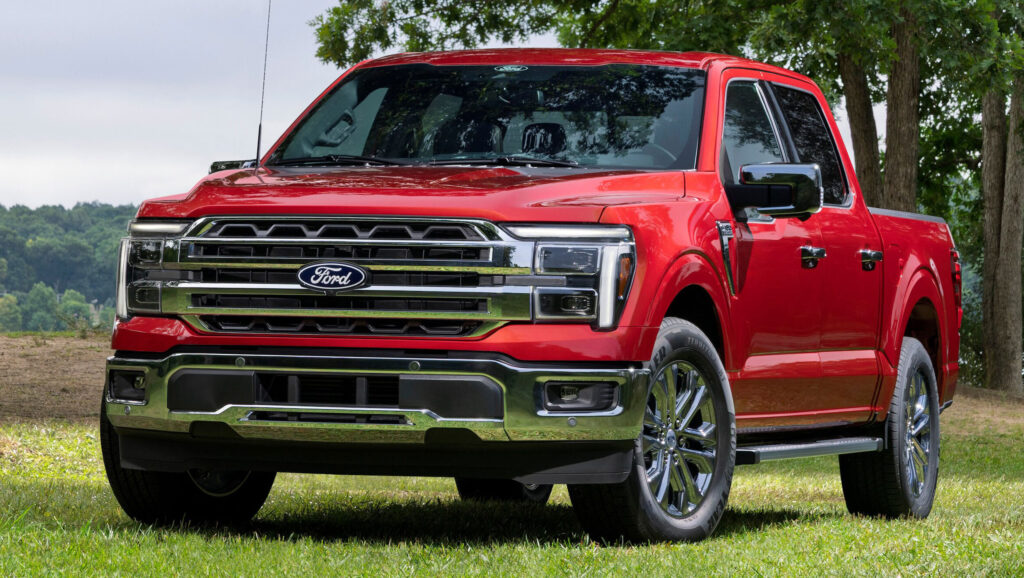
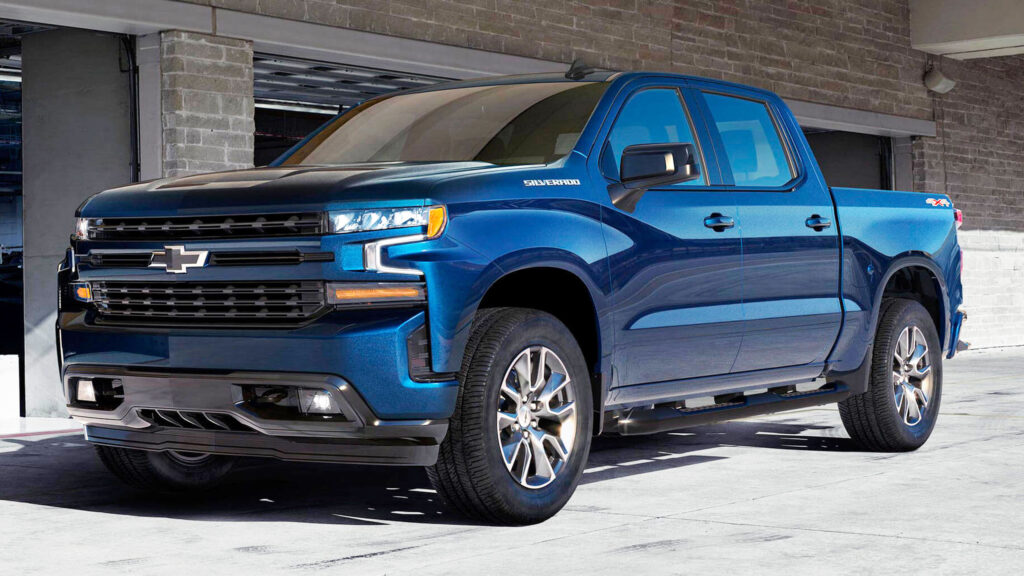
The picture looks slightly different in the full-size pickup segment. Average transaction prices for the country’s best-selling trucks slipped by $262 compared with January, landing at $56,376 in February. Even so, buyers are still paying more than they were a year ago. Prices remain about 3.4 percent higher than in February 2025, which works out to roughly $1,875 in additional cost.
Incentives for trucks are moving in the opposite direction as well. Average incentive spending reached $4,361 in February, a 3 percent drop from January and 5 percent lower than the same month last year.
Transaction Values Remain High
Compact SUVs and midsize sedans, two of the most competitive vehicle segments, are experiencing some of the greatest incentive growth. Manufacturers in these categories cannot afford to lose ground and so pricing support has become more visible.

One notable exception, however, is the redesigned 2026 Toyota RAV4. The SUV’s average transaction price climbed to $40,096 in February, a $3,353 increase from January. That jump is significantly larger than the roughly $2,100 increase to the base model’s MSRP as the new generation transitions to a hybrid-only lineup.
Review: The 2026 Toyota RAV4 Finally Feels Like The SUV It Was Meant To Be
There is an important wrinkle behind that surge. Early shipments appear heavily weighted toward higher trim levels, which can push the average price upward. Dealer listings across several U.S. regions show many top trims already on lots or in transit, while lower trim versions are still listed in the build phase and have yet to reach showrooms.
Electric vehicles are also part of the story. Several brands have tried to tweak pricing strategies and layered in more offerings as demand growth has been slower than expected previously.