


- Honda may cancel Prologue after current production ends this December.
- EV sales plunged after federal tax credits vanished and demand cooled.
- Honda is now pivoting toward hybrids after scrapping several planned EVs.
Honda’s big electric push in the United States may soon get a lot smaller, and not just because the company has scrapped three new EVs at the eleventh hour. According to a report from Auto News citing AutoForecast Solutions, Honda isn’t planning a second generation of the Prologue crossover once the current production run ends later this year. And if that happens, the brand would effectively exit the US EV market altogether.
The Prologue only launched in 2024 and initially looked like a success story. Nearly 39,000 buyers took one home in 2025, helped along by heavy incentives and a handy federal tax credit worth $7,500. Then the incentives disappeared, and so did much of the demand.
Related: That Strange Clicking Noise In Honda’s Prologue Is Now A Lawsuit
After the US government scrapped the EV tax credit, Prologue sales reportedly plunged. Deliveries in early 2026 have fallen about 74 percent compared with the same period last year, Auto News reports. Honda has already cut production roughly in half and now expects to sell fewer than 18,000 units this year.
We asked Honda about the report and it refused to confirm that the Prologue was on its way out, but didn’t categorically deny it either.
“The Automotive News article is based purely on speculation,” a spokesperson told us. “The Prologue remains in our lineup.”
Regardless of whether it stays or goes, the Prologue was always a slightly unusual project anyway. It isn’t built by Honda but by General Motors at a plant in Mexico using GM’s electric platform. Honda essentially borrowed the technology as a fast way to get an EV into American showrooms while it developed its own architecture. Acura already cancelled its version of the Prologue, the ZDX, last September, after just one year of production.


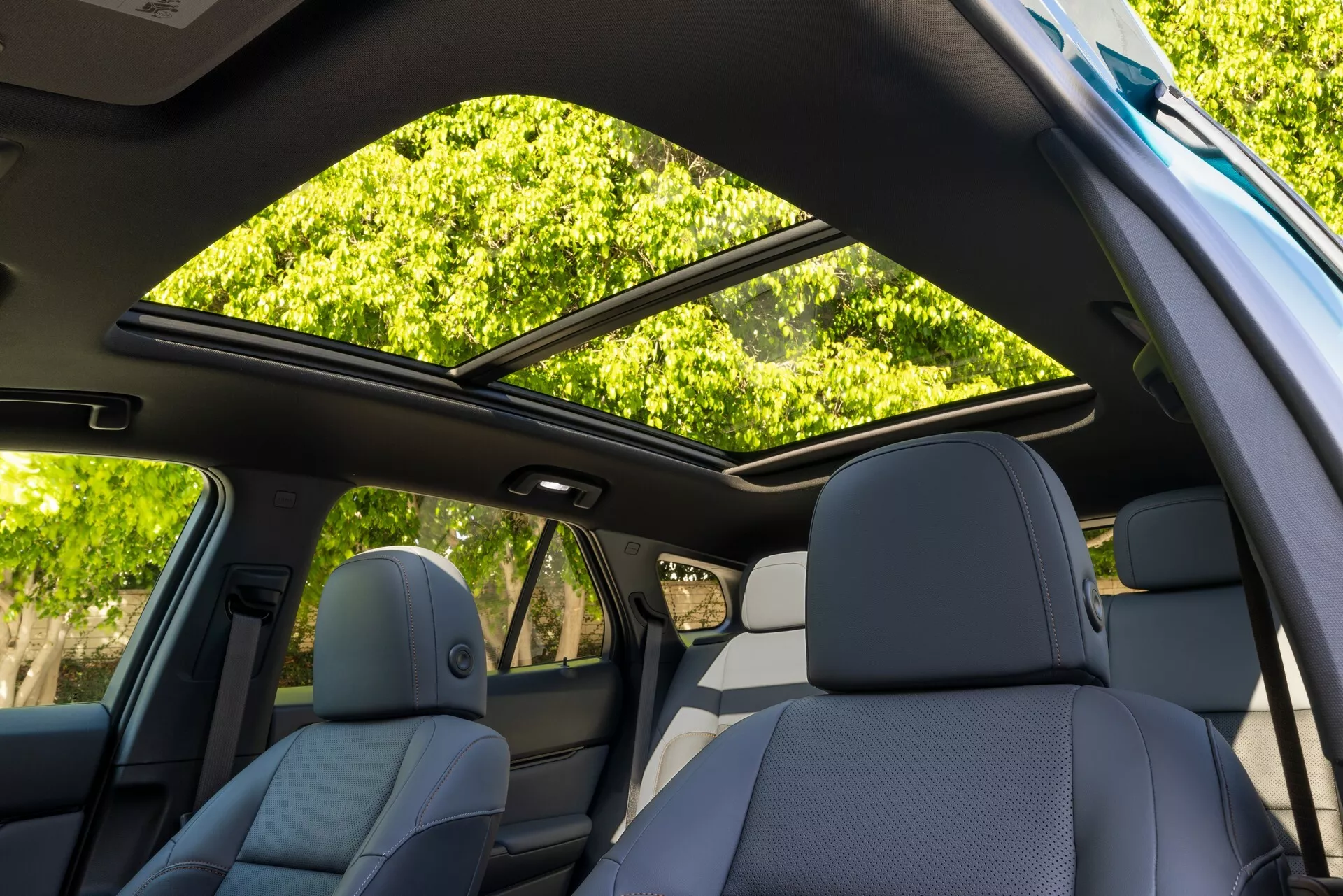

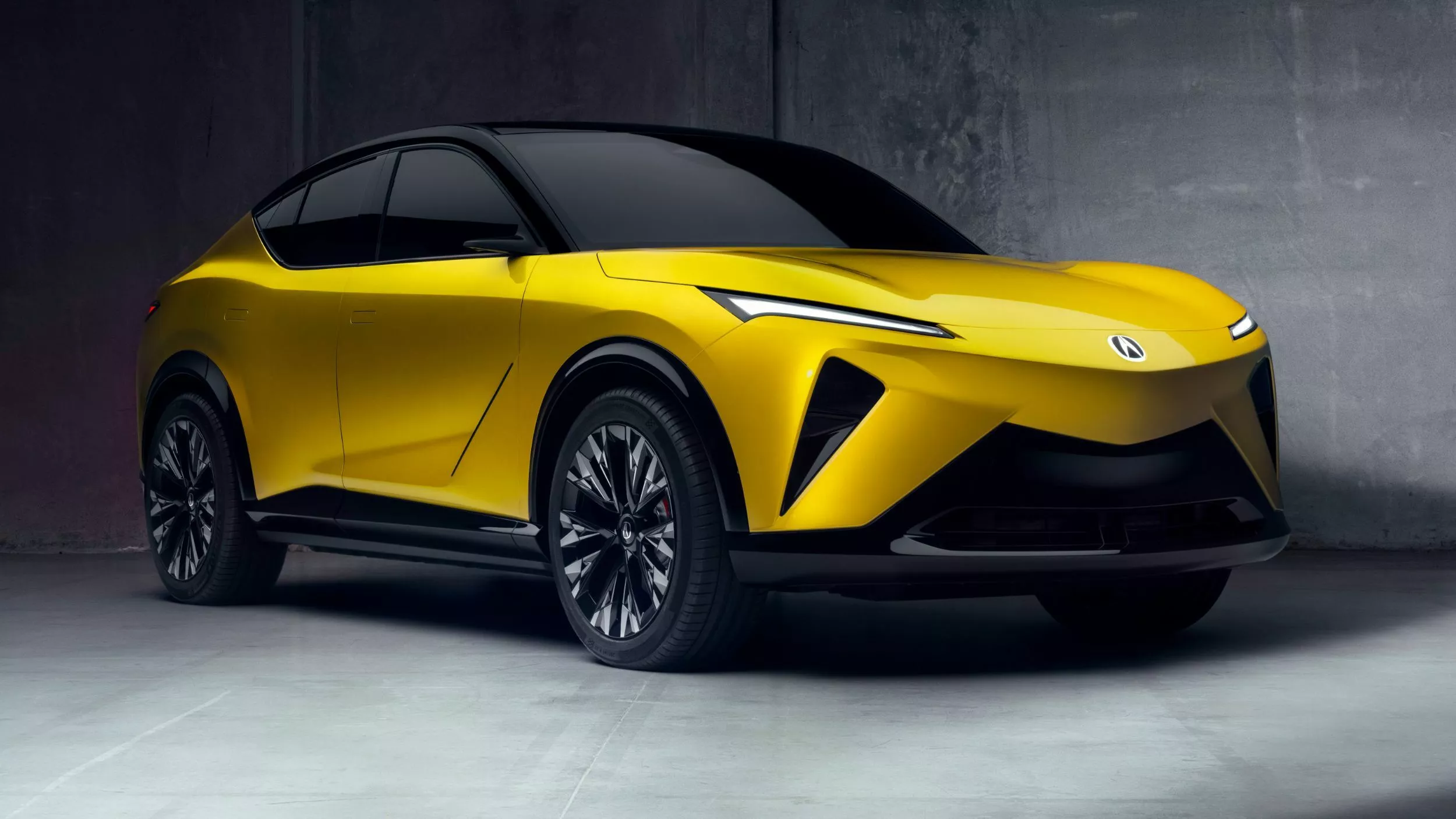
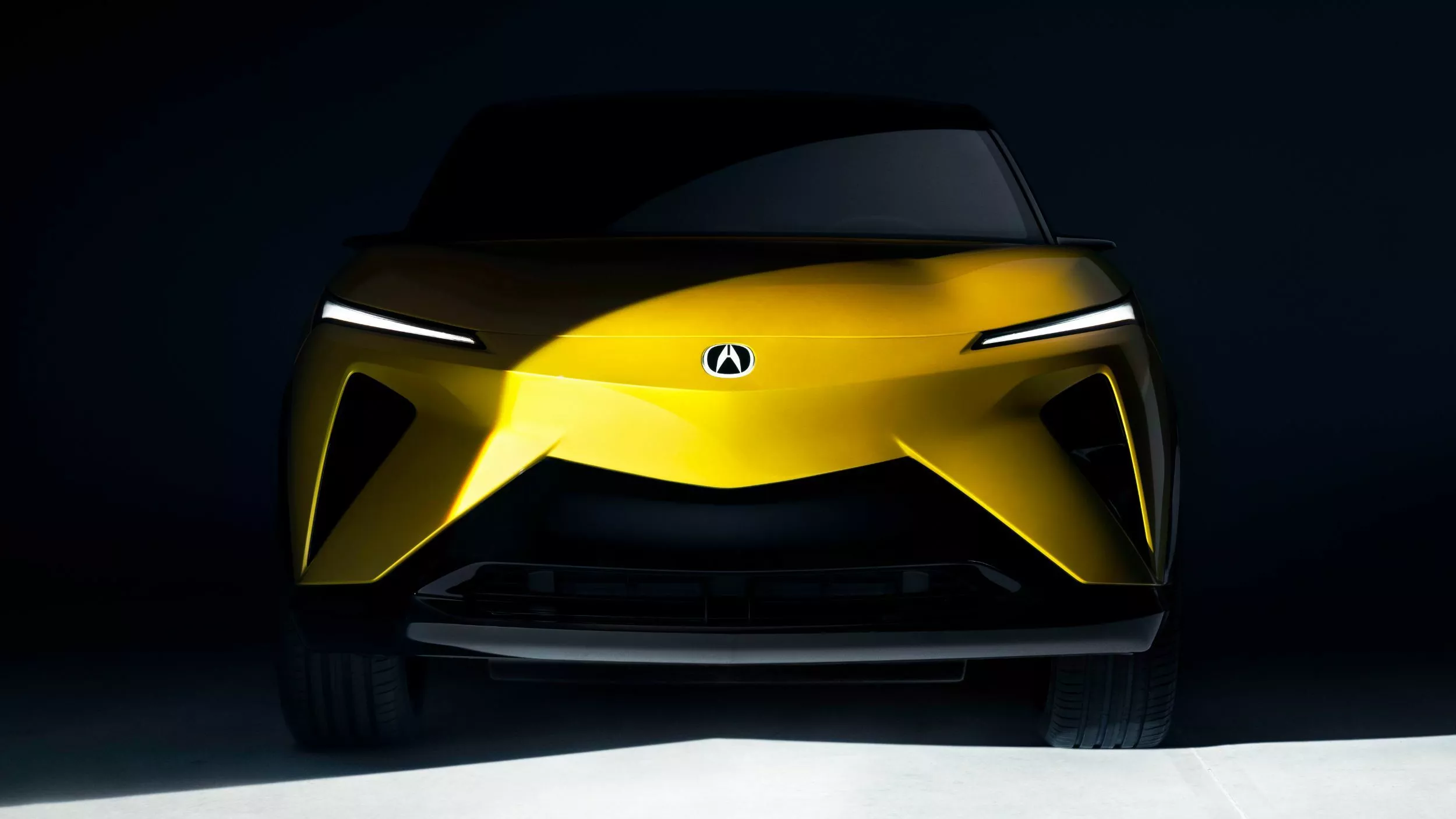
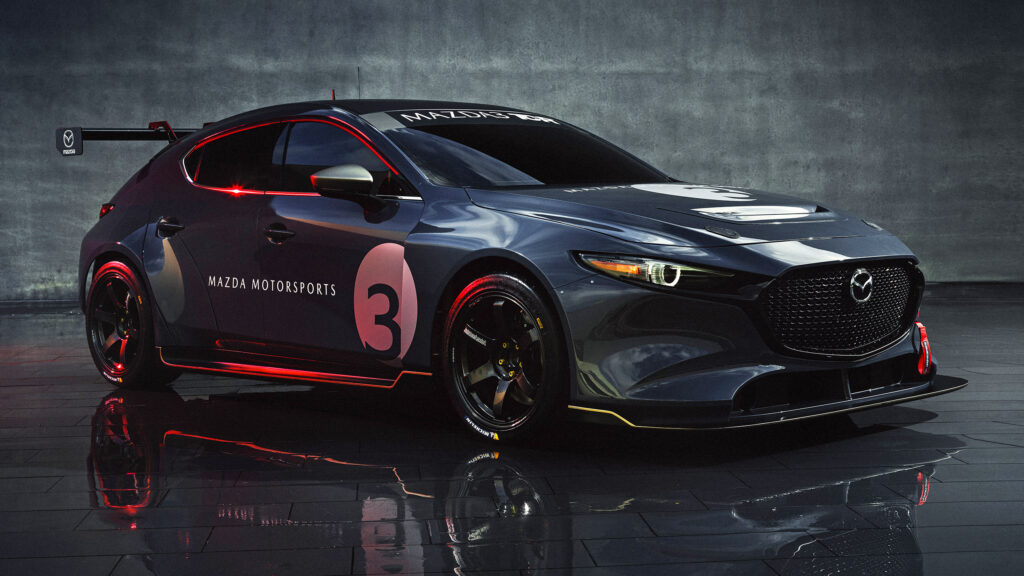
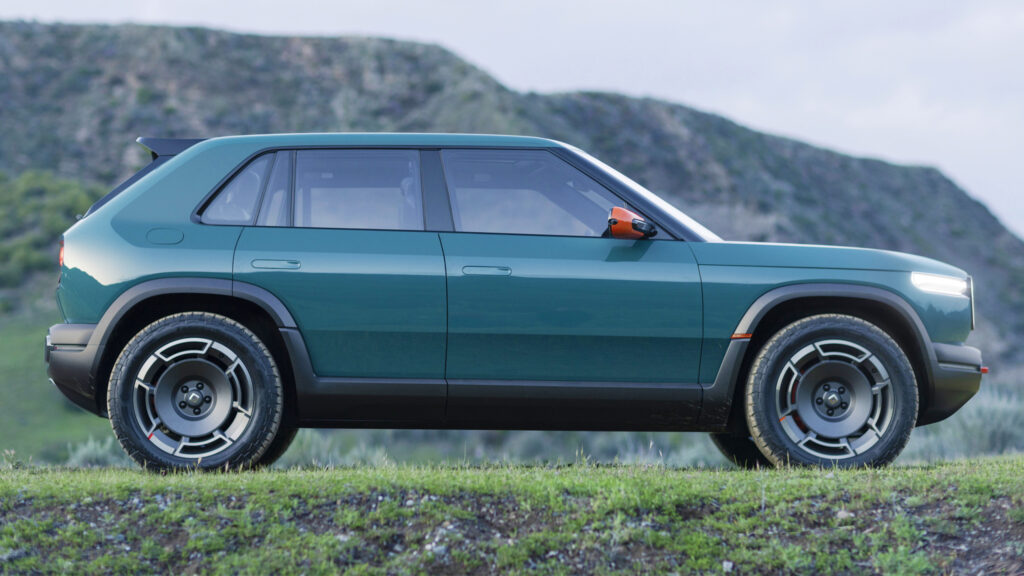
Now the company appears ready to pull back even further. Earlier this week, Honda confirmed it is scrapping several future electric models planned for North America and due to be built in Ohio. Those three models shown in the gallery below are the 0 Series SUV, the futuristic 0 Series Saloon, and the upcoming Acura RSX crossover.
Suppliers Were Already Up And Running
The strategy shift could cost the automaker up to $15.8 billion in write-downs and expenses, and suppliers Auto News spoke to are also in line for some hurt. They’d already started building RSX parts and had begun hiring and training staff in readiness for the start of EV production in July.
Honda dealers, however, aren’t exactly mourning the change. Many say customers simply prefer hybrids right now and are happy to skip expensive full electric models altogether.