


- Ford CEO used Australia trip to shape multibillion-dollar global product strategy.
- Chinese brands gaining ground force Ford to rethink pricing and tech approach.
- Australia mirrors US truck passion but offers an open market with fierce competition.
Ford’s global HQ might be in Detroit, but the brand’s future was just decided thousands of miles away in a market barely an eighth the size of America’s. It sounds odd, but Australia has just become ground zero for one of the company’s biggest strategic calls in years.
CEO Jim Farley didn’t fly Down Under for a photo op. He went to make what he told Detroit Free Press was a “multibillion-dollar decision” about Ford’s global lineup and long-term direction. That decision is still under wraps. But the reason for choosing Australia is pretty clear.
Related: Ford CEO Suddenly Reopens The Door To A New Falcon Ute
It’s one of the few places where American-style vehicle tastes collide head-on with Chinese competition. Pickups and SUVs dominate just like they do in the US, but unlike America, there are no tariffs keeping rivals out. That means Ford gets a raw, unfiltered look at how it stacks up.
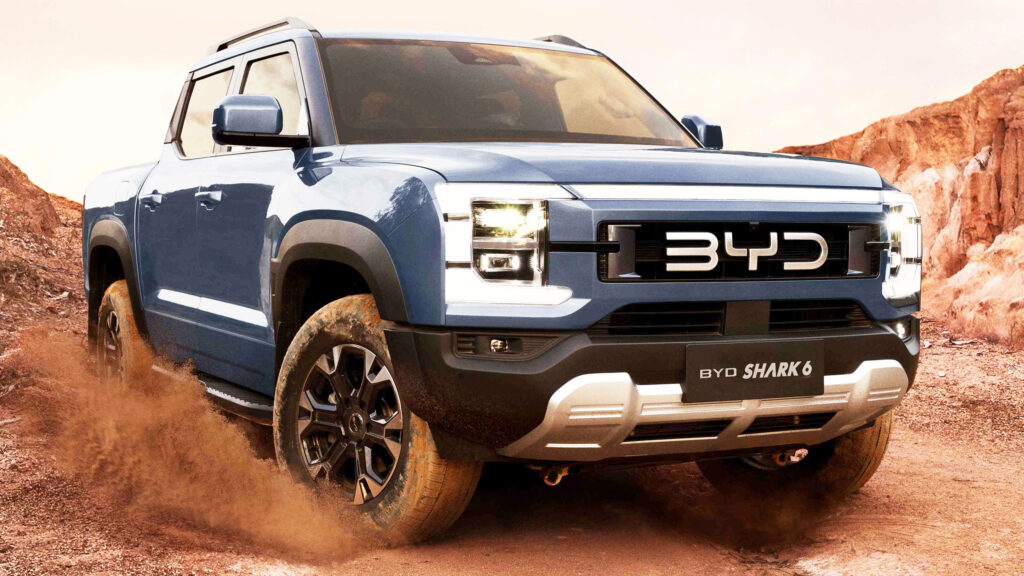
Farley described the country as a kind of proving ground where Ford faces Chinese brands head-to-head for the first time outside their home turf. And those brands aren’t just showing up. They’re actually thriving. Chinese automakers have surged to roughly 18 percent market share, offering tech-packed vehicles at prices that legacy brands struggle to match. That’s exactly the kind of pressure forcing Ford to rethink everything from software to cost structures.
Sizing Up The Competition
So Farley went full hands-on. He drove competitor vehicles, talked to dealers and customers, and basically immersed himself in the market. It’s part of his “gemba” approach, which is all about seeing issues firsthand rather than debating them in a boardroom, something he learned from his years at Toyota.
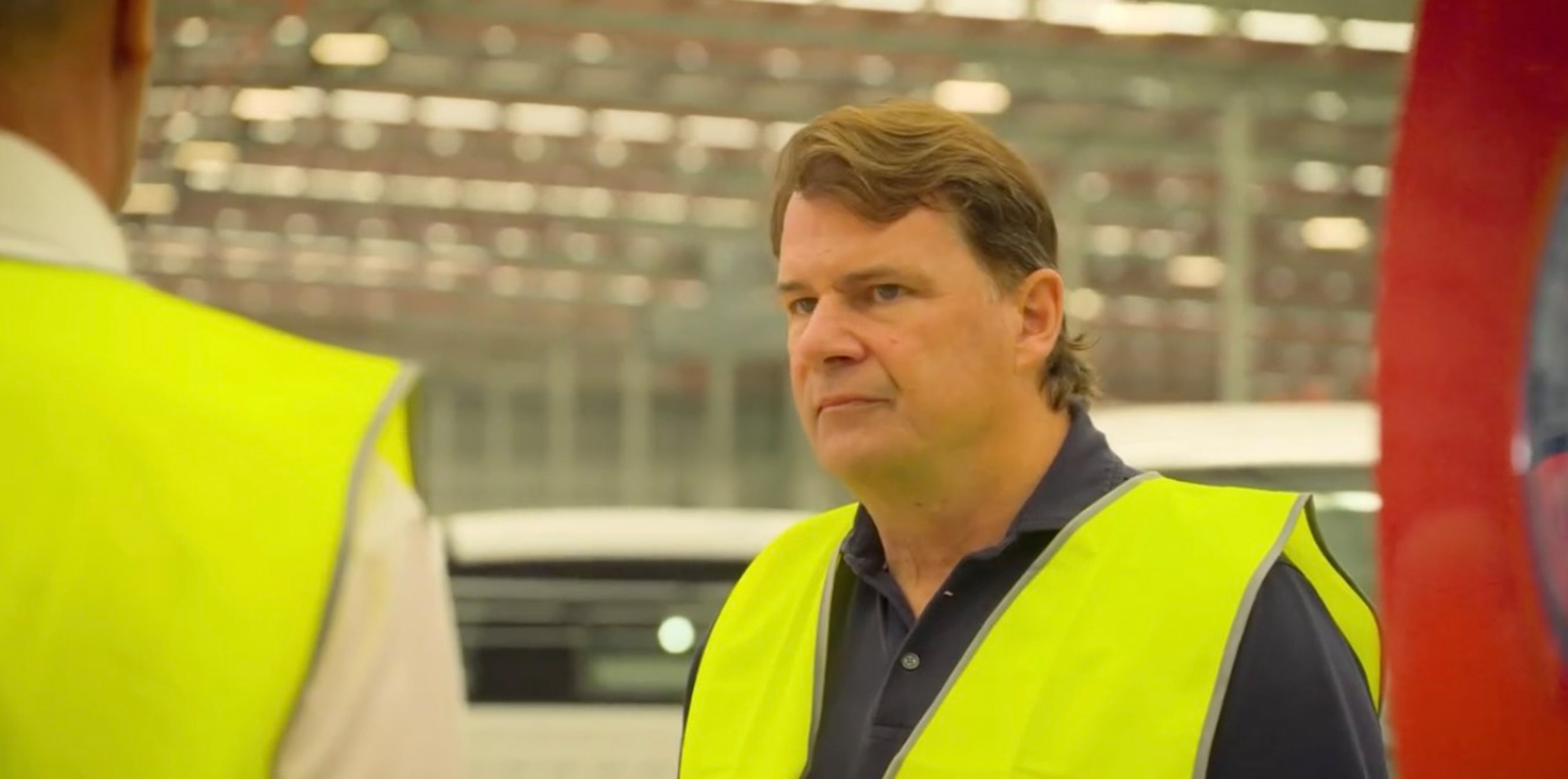
“Before I make a big decision I like to go and see with my eyes the problem and I like to play with the solution,” Farley told Detroit Free Press. “I get to talk to the customers and the dealers.”
Ranger Super Duty
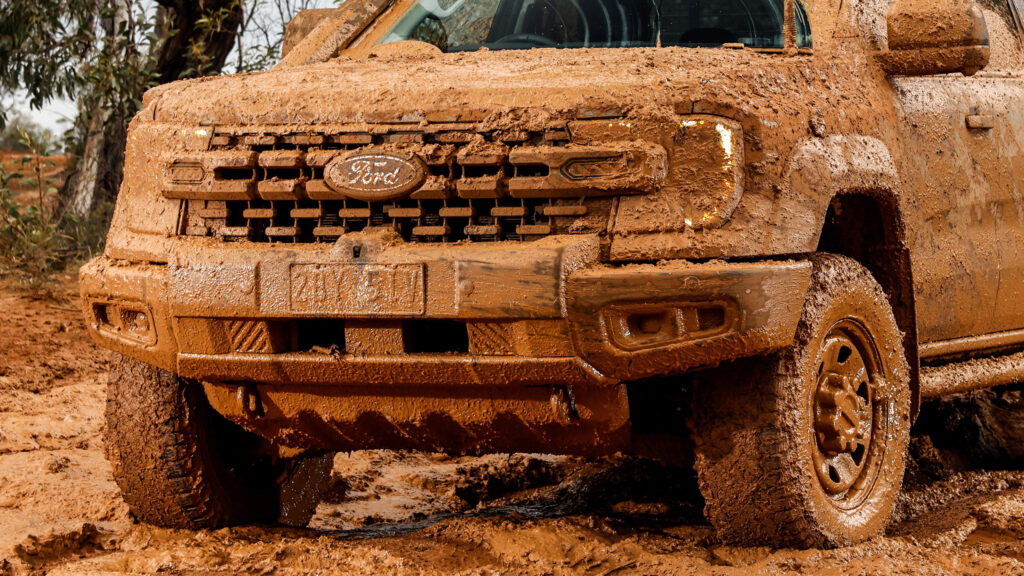
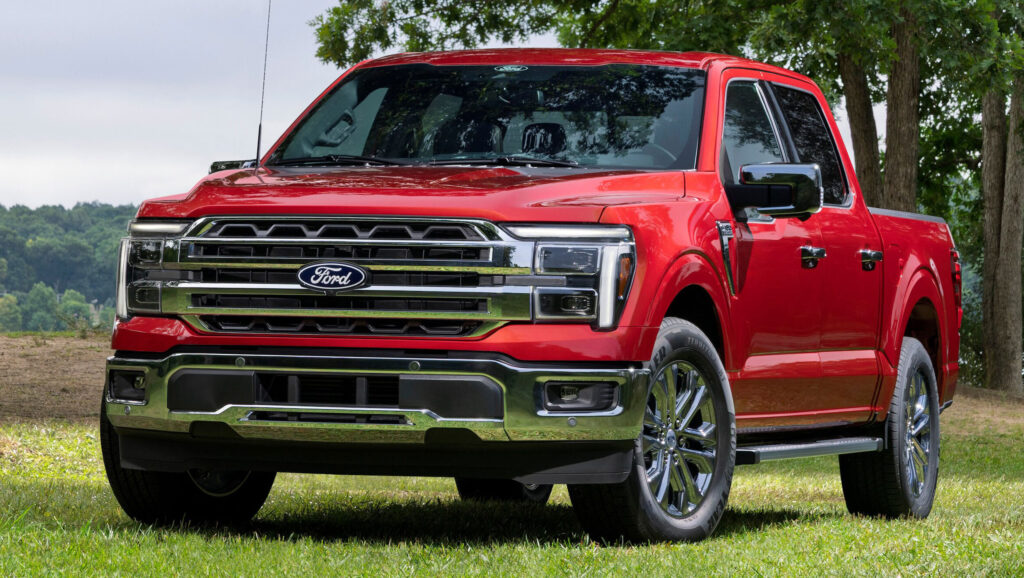
The trip also doubled as a victory lap of sorts. The Ranger remains Australia’s top-selling vehicle, a title it’s held for three straight years. That success matters because midsize trucks are huge business globally, in markets like Australia, where full-size pickups are simply too big for the roads. The Ranger is such a big deal in Oz, Ford even sells one with Super Duty branding and hardware, something only available on full-size trucks in the US. Farley is even considering bringing back a performance ute for enthusiasts Down Under.
But even that dominance isn’t enough to relax. Ford is weighing big questions, like whether smaller pickups such as the Maverick make sense globally, and how extended-range EVs might fit into markets that still rely heavily on long-distance driving.
The stakes are massive. Ford’s EV division is still losing billions, and future products have to be both competitive and profitable. So while Australia might seem like an unlikely decision center, it’s actually the perfect stress test. If Ford can win there, it has a fighting chance everywhere else, including in the US when the Chinese finally arrive.