


- Middle East luxury car demand drops sharply as conflict disrupts wealthy buyers.
- High-margin bespoke orders stall, hurting brands already struggling today.
- Carmakers already face a slowdown in China, others in Europe, and the USA.
The world’s flashiest car market just hit the brakes. As conflict rattles the Middle East and drivers around the world see gas prices rocket, luxury automakers are watching one of their most profitable regions wobble at exactly the wrong time.
For years, the Gulf has been a goldmine for brands that thrive on excess. Think one-off Rolls-Royces and Ferraris with price tags that quietly double or triple, or custom Lamborghinis like Manory‘s Revuelto-based Carbonado X. It’s not about volume here, it’s about margin, and plenty of it.
More: Ferrari And Other Luxury Brands Stop Deliveries To The Middle East
Showrooms briefly shut their doors when fighting broke out, and even after reopening, foot traffic hasn’t bounced back. One Dubai dealer told Reuters that business is down around 30 percent, though ultra-high-end buyers haven’t disappeared entirely.
Airlifted To Safety
Some are still spending eye-watering sums, even paying tens of thousands just to airlift multi-million-dollar hypercars out of the region. Because if you’re buying a seven-figure toy, shipping costs are basically pocket change.
Still, the mood has shifted. As Bentley CEO Frank-Steffen Walliser put it to Reuters, people in the region “have other thoughts than looking for a new Bentley at the moment.”



Mansory
The timing couldn’t be worse. China’s appetite for high-end cars has cooled dramatically, Europe isn’t exactly booming, and US demand has been muddied by tariff uncertainty. The Middle East was supposed to be a reliable bright spot.
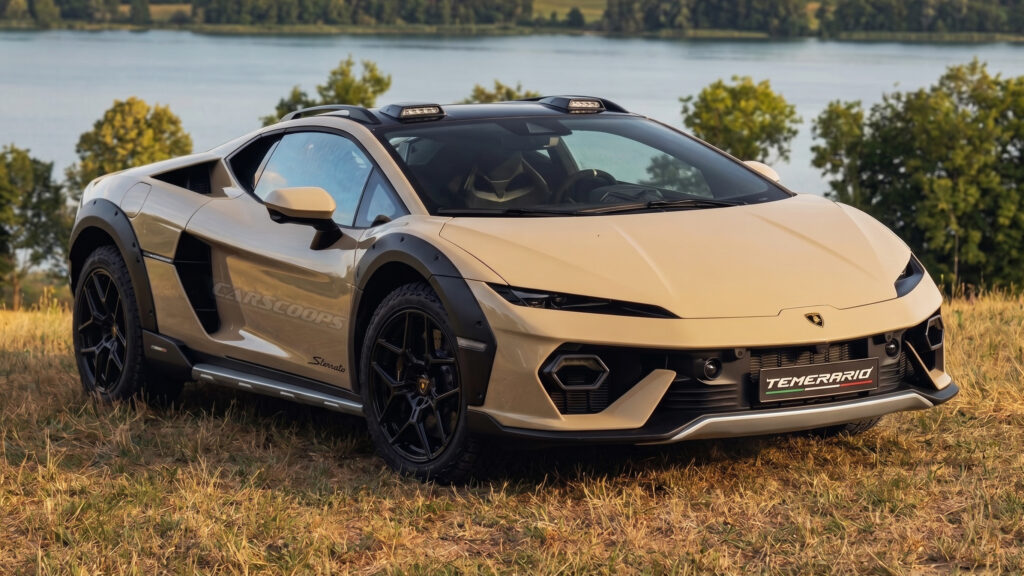
Instead, it’s turning into another headache that no one really saw coming. Lamborghini boss Stephan Winkelmann admitted that there’s no fresh market waiting in the wings to pick up the slack. Meanwhile, Ferrari and Maserati have already paused deliveries, even if only temporarily.
High-Margin Hurt
What really stings is the loss of bespoke business. That’s where automakers make serious money, selling limited-run models with lavish materials and sky-high premiums. Right now, that pipeline isn’t exactly gushing.
Only last month, just weeks before the US and Israel launched attacks on Iran, which then began striking other Middle Eastern countries in response, Rolls-Royce unveiled the Phantom Arabesque. Commissioned via Roll’s Dubai hub, the Arabesque features a Mashrabiya pattern laser-engraved on its hood. But its debut might not have inspired the rush of similar orders the automaker was hoping for.