










- NTSB says Ford drivers became too reliant on BlueCruise in two fatal 2024 crashes.
- Investigators found no braking or steering inputs before either car hit stopped traffic.
- Ford may have to limit speeding, improve monitoring, and keep AEB active.
There’s an uncomfortable truth surrounding cars and autonomy right now. Systems are better than ever before, and that’s great, but it’s also deceiving. Science has proven that humans struggle to maintain focus on tasks where our direct interaction is rarely required. According to the NTSB, a mix of that factor and autonomous technology played a role in two fatal accidents involving Ford’s BlueCruise technology.
On Tuesday, the agency concluded that overreliance on Ford’s hands-free driver-assist tech contributed to separate crashes in Texas and Pennsylvania that killed three people in total.
What Happened In These Accidents?
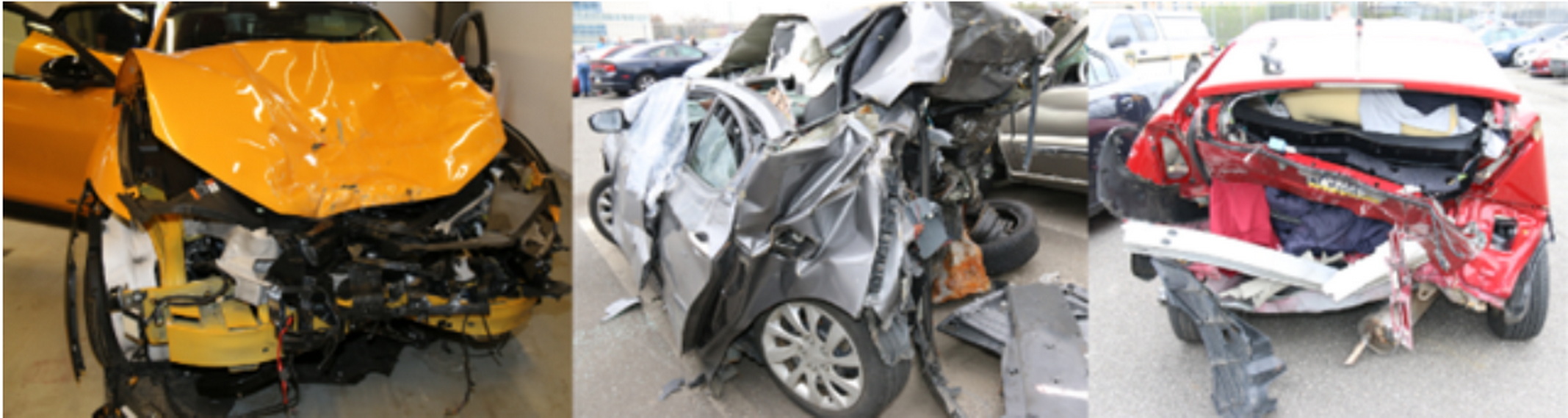
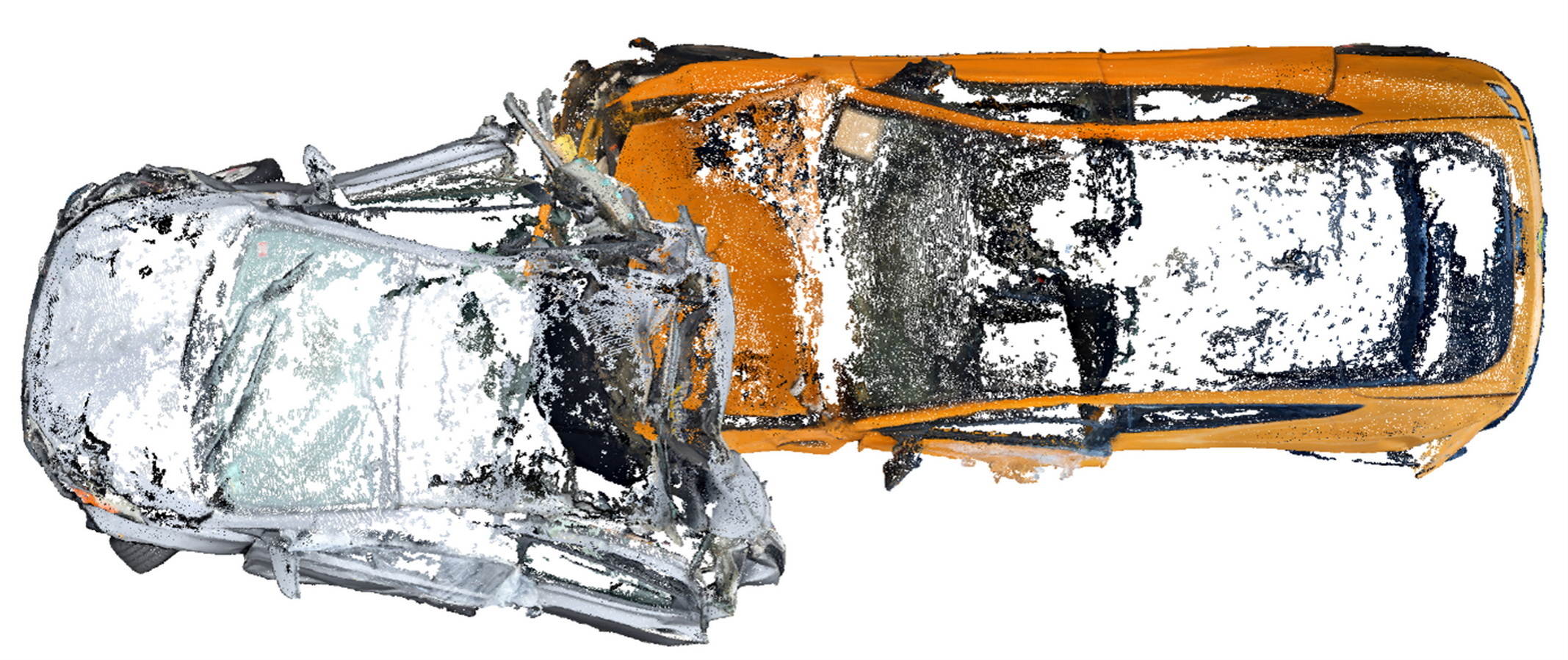
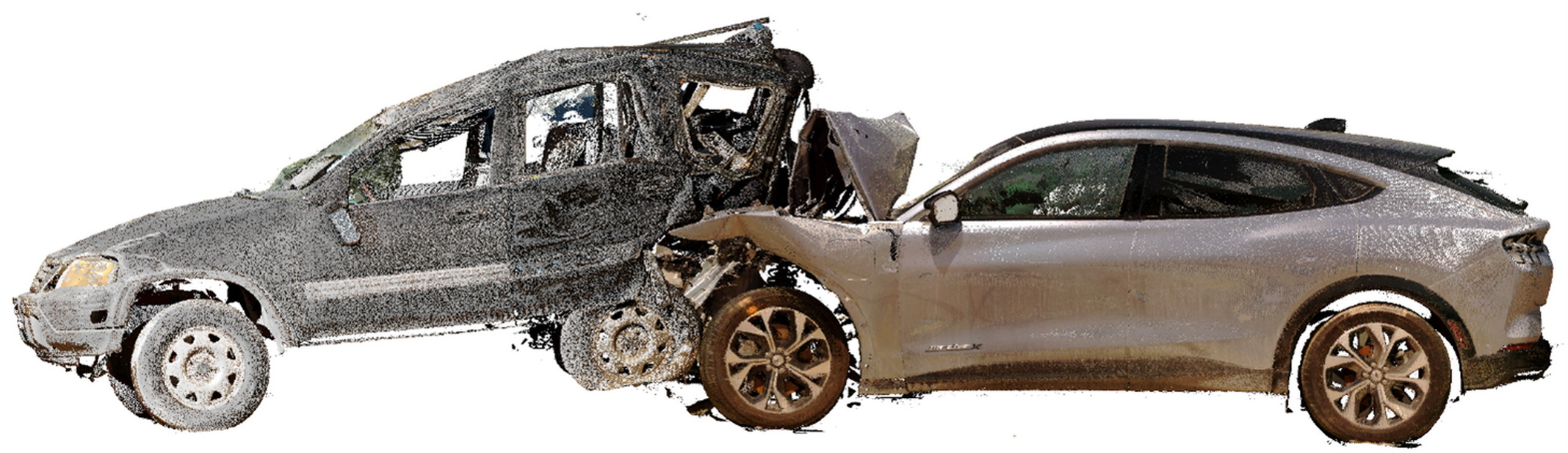
In both cases, 2022 Ford Mustang Mach-Es operating with BlueCruise engaged, slammed into stationary vehicles at highway speeds. Incredibly, investigators found no driver-applied braking, no steering input, and no automatic emergency braking intervention during the moments before impact. In other words, it appears as though both drivers were trusting the system too much and not paying attention enough.
Read: US Escalates Ford BlueCruise Probe After Fatal Mach-E Crashes
One of the crashes occurred in San Antonio on February 24, 2024, when a Mach-E traveling on Interstate 10 struck a stopped 1999 Honda CR-V. The Honda driver was killed. A week later, on March 3, another Mach-E using BlueCruise crashed into a stopped Hyundai Elantra and Toyota Prius on Interstate 95 in Philadelphia, killing both drivers.
In addition to blaming the drivers, the NTSB also aimed squarely at Ford and the federal government. According to the board, BlueCruise’s driver-monitoring system failed to adequately detect that drivers weren’t actually paying attention.
The system reportedly allowed long off-road glances and couldn’t reliably tell the difference between a driver watching the road and staring at a phone blocking their view. That’s a big deal because BlueCruise is sold as a hands-free system. Ford allows drivers to take their hands off the wheel on pre-mapped highways, but the company still says drivers must remain alert and ready to intervene at all times.
Driver Monitoring System Limits
To make matters worse, investigators also found that Ford allows drivers to weaken or effectively bypass some of the vehicle’s safety features while BlueCruise is active. Drivers can completely turn off automatic emergency braking, and adaptive cruise control can be set as much as 20 mph over the posted speed limit. The NTSB says that this combination can dramatically reduce the system’s effectiveness and increase crash severity.
Ford says that there were no equipment defects in either crash and that in at least one, alcohol impairment played a role. For now, the NTSB is recommending that Ford tune the system to better detect driver inattention, reduce the system’s capability to go over the speed limit, and require key safety systems to be engaged at all times.
While Ford sorts that out, the NHTSA has a trio of investigations into BlueCruise. This year could see many changes in Ford’s autonomous tech.
Photos NTSB