


- Many vehicles sold in America already rely on Chinese-made parts.
- Lawmakers fear low-cost Chinese EVs could hammer U.S. factories.
- Ford, GM, Toyota still source key vehicle components from China today.
For years, the idea of Chinese cars in America has wavered between an absolute impossibility and a doomsday scenario for domestic automakers. Politicians and executives warn about cheap imports crushing local manufacturing. Industry groups talk about national security risks. Union leaders fear another wave of lost jobs. Quietly, though, Detroit’s dependence on China has been growing, and according to a new report, it’s probably much bigger than you realize.
Read: US Senator Calls Chinese Cars “Cancer,” Wants Permanent Ban
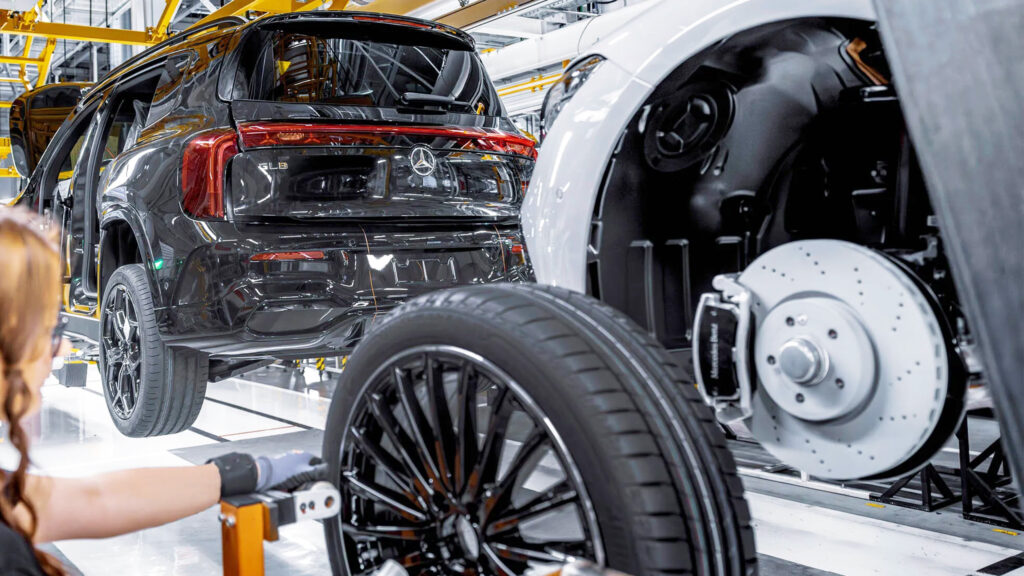
According to The Wall Street Journal, citing consulting firm AlixPartners, more than 60 U.S.-based automotive suppliers are owned by Chinese companies. Chinese firms also hold ownership stakes in roughly 5 percent of America’s estimated 10,000 suppliers.
China Lives Inside America’s Most Familiar Cars
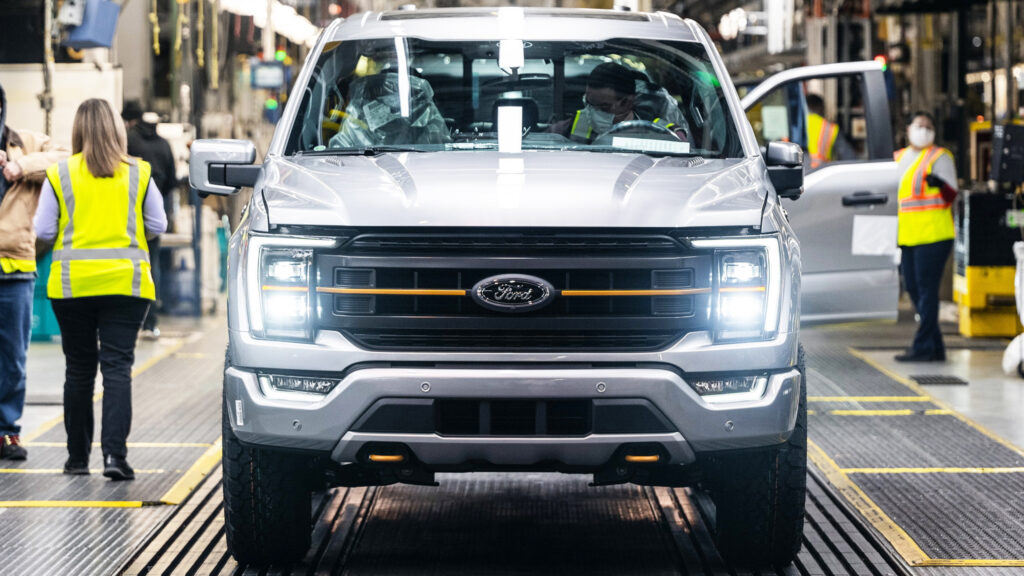
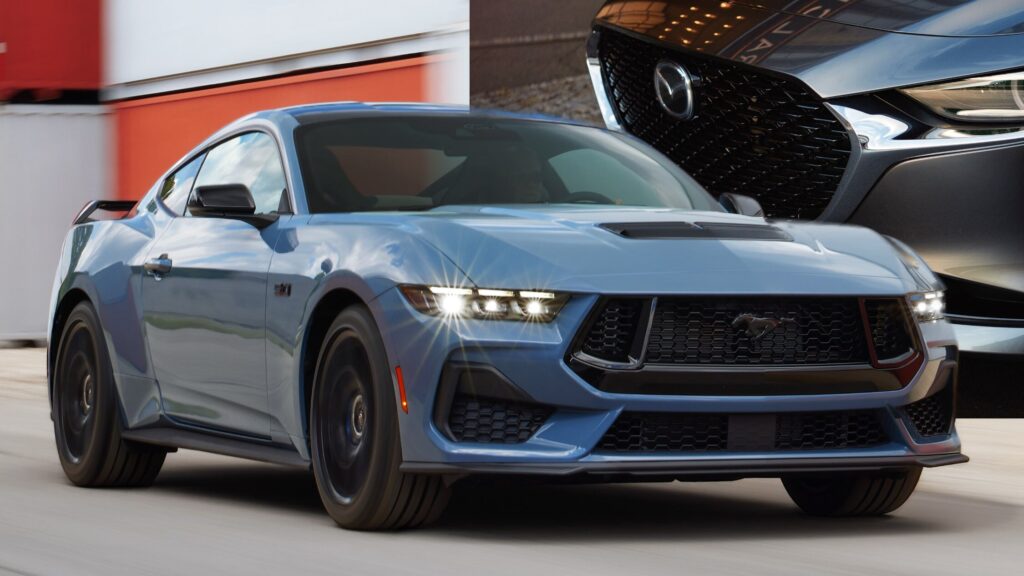
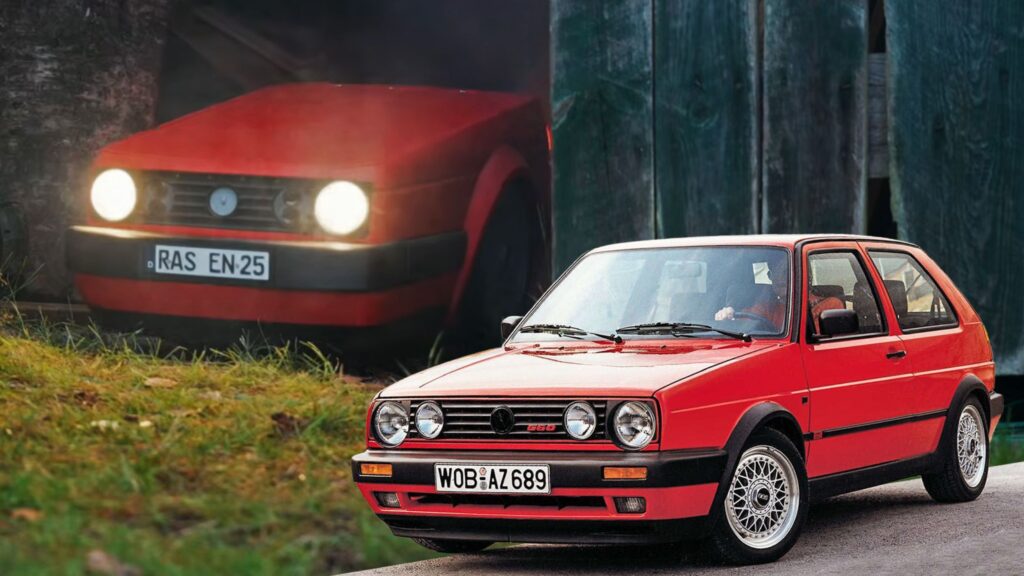
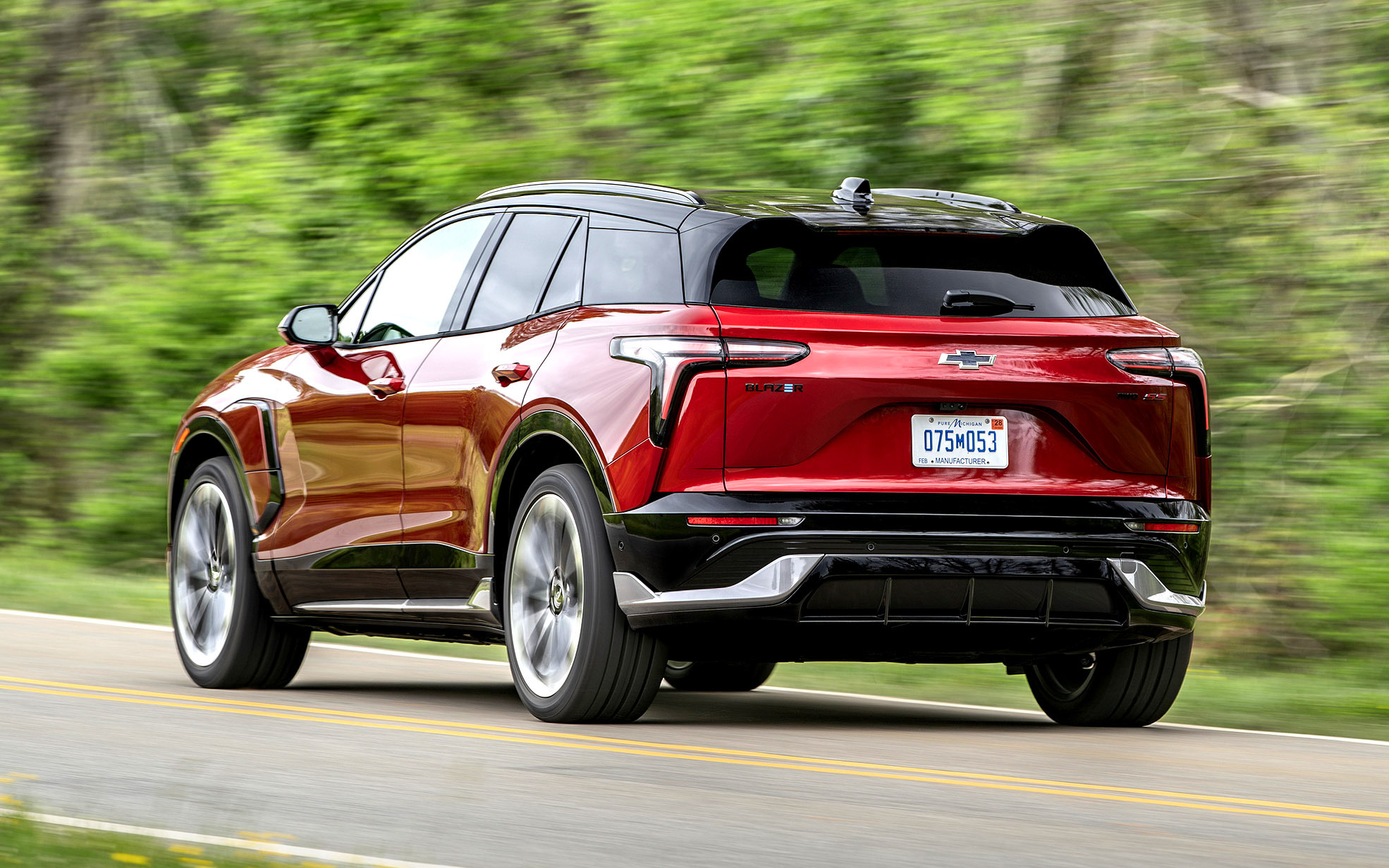
That influence stretches into some of America’s most recognizable vehicles. According to CNBC, Ford’s Mustang GT reportedly uses six-speed manual transmissions sourced from China. Toyota’s Prius plug-in hybrid contains about 15 percent Chinese parts, while Chevrolet’s electric Blazer and Equinox EV reportedly use roughly 20 percent China-sourced content.
Now lawmakers from both parties are trying to draw a line before Chinese automakers themselves gain a foothold in the U.S. market. Representatives John Moolenaar and Debbie Dingell recently introduced legislation aimed at restricting Chinese-made connected vehicle hardware and software over national security concerns.
Untangling China Won’t Be Clean
The concern isn’t just about cheap EVs flooding dealerships. Politicians worry China could repeat what many believe happened in the solar panel industry: aggressively undercut competitors with state-backed pricing until rival industries collapse. “This is about America’s future,” Dingell said. “This is about the American workers’ future.”
The uncomfortable reality is that separating America’s auto industry from China won’t be simple. Companies like Fuyao supply glass to major automakers operating in the U.S., while Chinese battery giant CATL remains a dominant global force in EV battery technology.
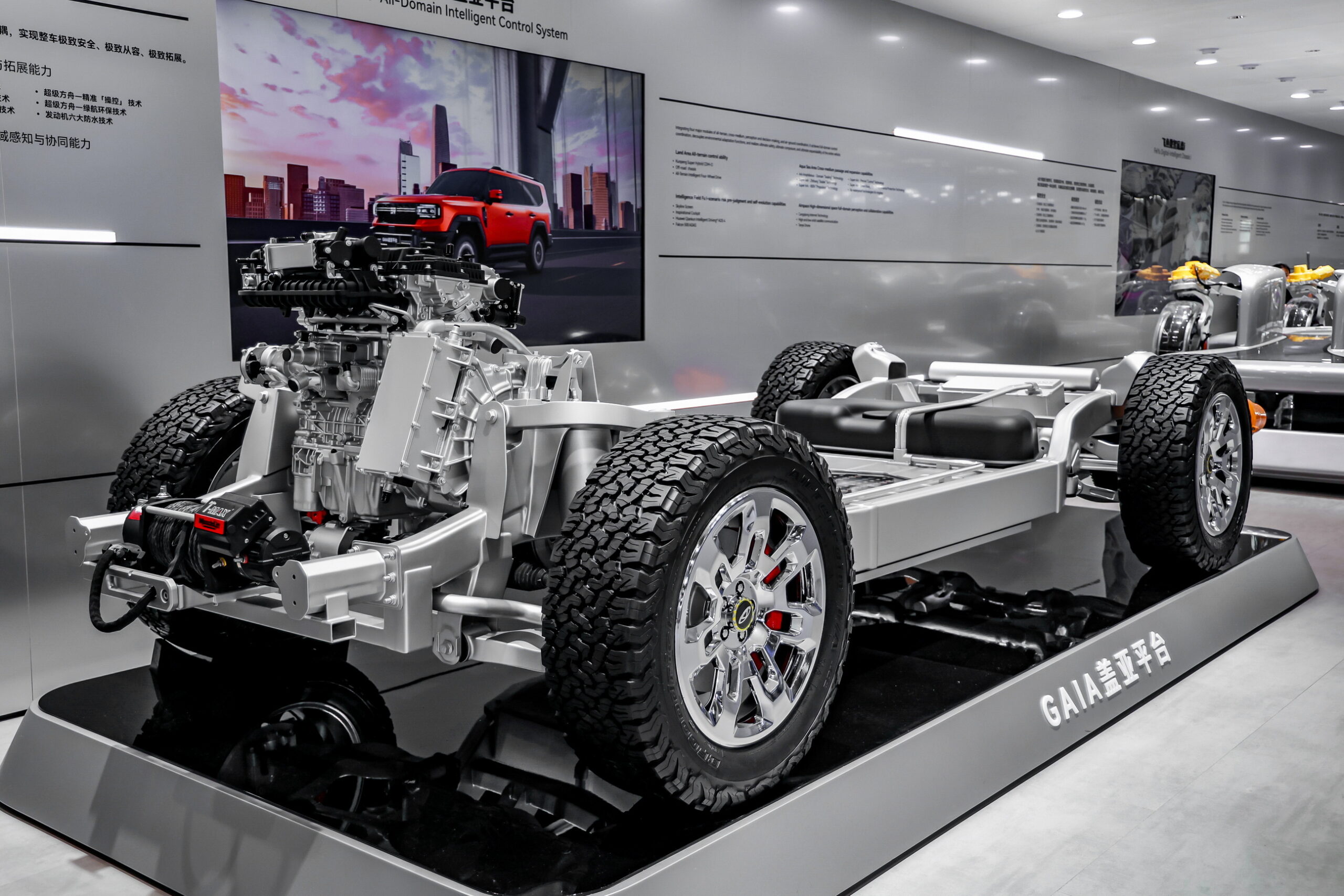
Even automakers publicly supporting tougher restrictions are still heavily tied to Chinese supply chains. GM reportedly wants some suppliers to eliminate China sourcing by 2027, while Tesla previously pushed suppliers to exclude Chinese-made components from U.S.-built vehicles.
Those moves help to untangle things, but let’s not forget that President Trump just visited China. Some analysts believe he could greenlight Chinese car production in the USA. If that happens, some Chinese-owned parts suppliers will be the least of worries for domestic automakers.