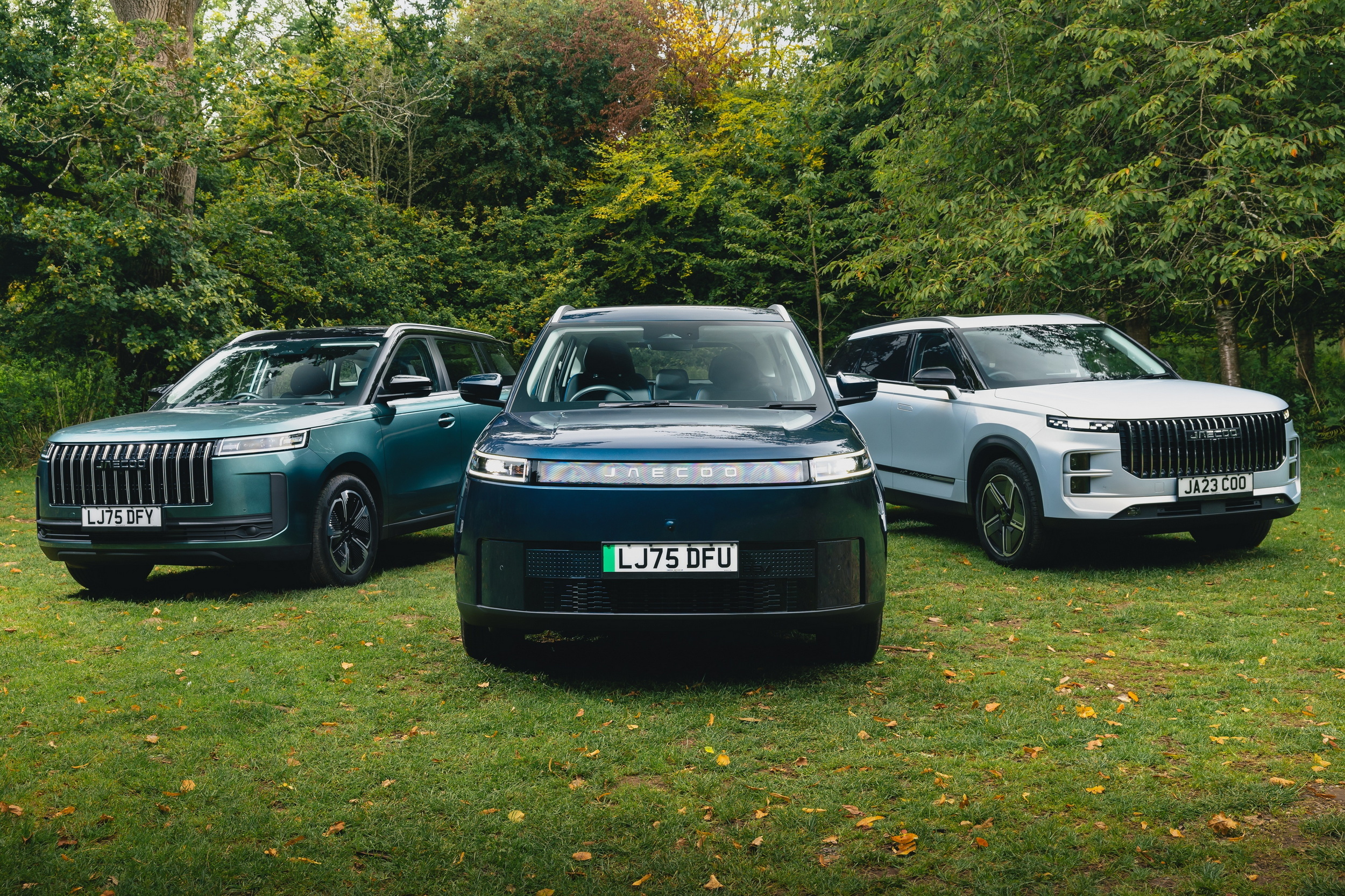
- Jaecoo 7 leads UK sales charts after a strong March debut run.
- Plug-in hybrid demand drove most of the SUV’s early momentum.
- Electrified vehicles reached record highs across the UK market.
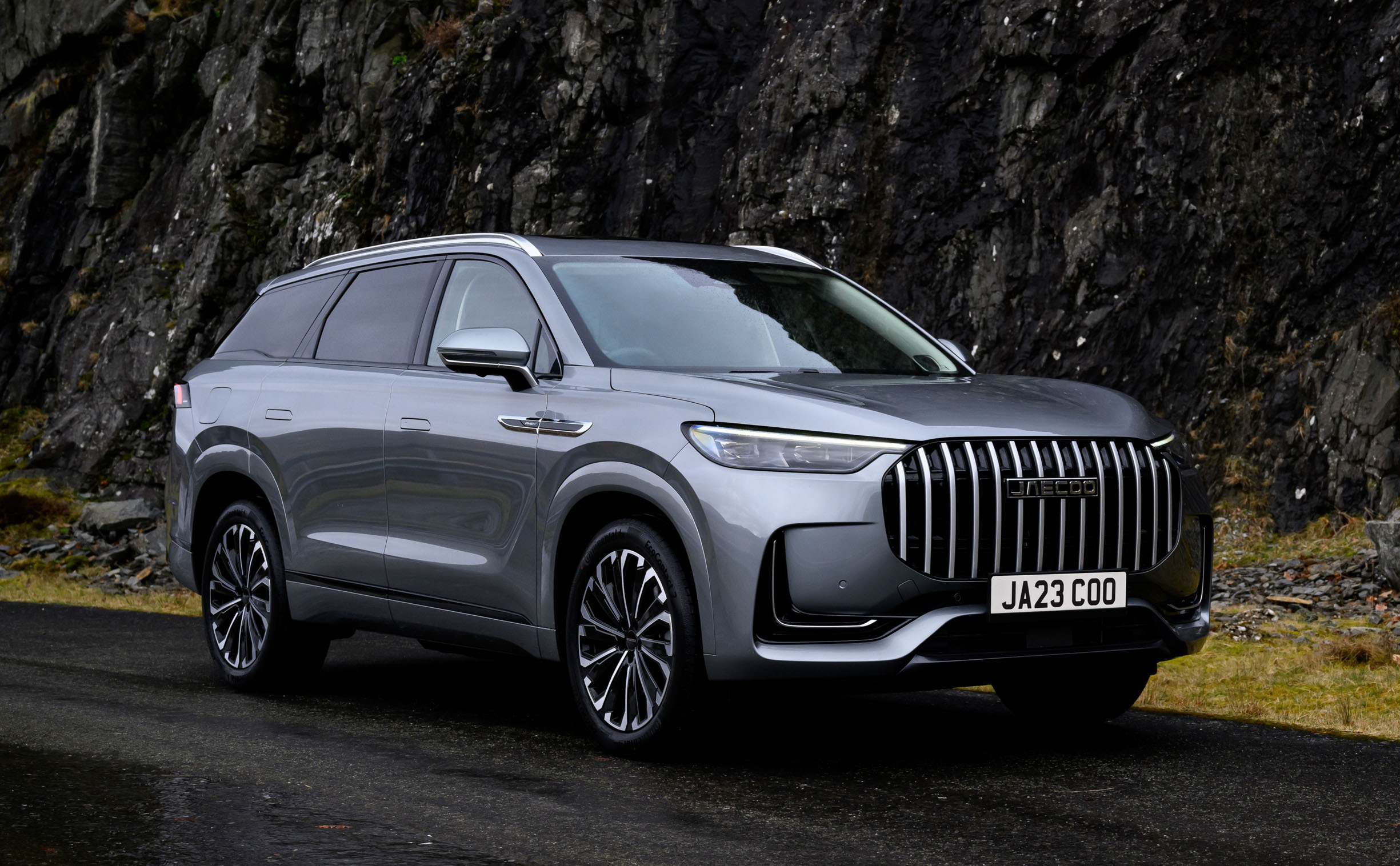
The UK’s sales charts don’t usually throw up surprises, yet March 2026 did exactly that. A relatively new Chinese SUV, the Jaecoo 7, jumped straight to the top spot, becoming the best-selling new car in the country. It’s the first time a Chinese model has led the UK market, landing right in the middle of the industry’s busiest sales month, which also saw electrified vehicles and BEVs hit record numbers.
More: UK Buyers Now Love This ‘Temu Range Rover’ More Than The Real Thing
Not everything is rosy, though, as some analysts are already questioning how long that pace can last.
Chinese Intruder Steals The Crown
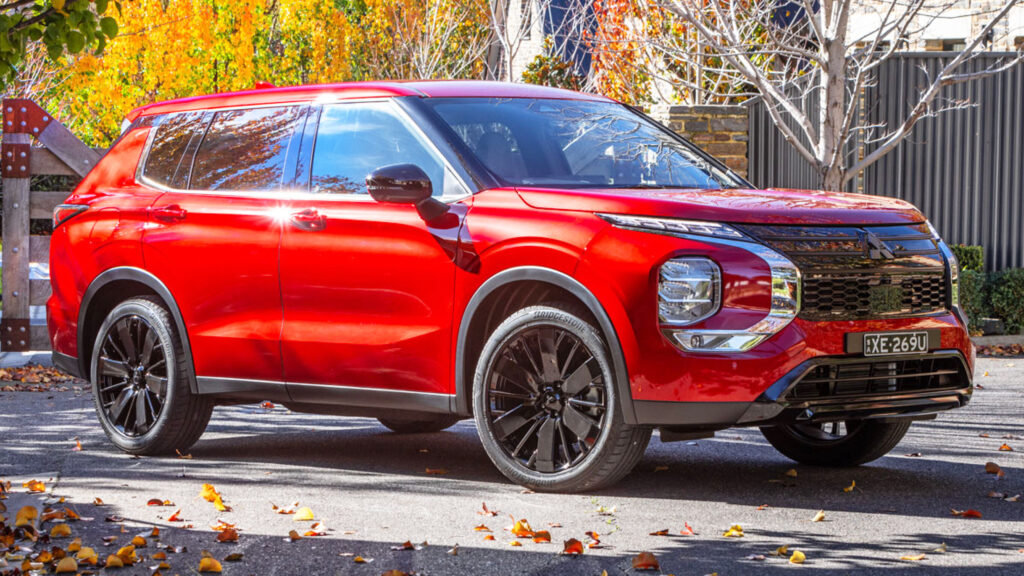
The compact SUV from Chery, carrying styling that leans heavily on Range Rover cues, has even picked up a nickname online, with some calling it the “Temu Range Rover” in a tongue-in-cheek dig to its bargain-luxury vibe and resemblance to the real thing.
It racked up 10,064 registrations in March, enough to push past familiar heavyweights like the Ford Puma, which logged 9,193 units, and the Nissan Qashqai with 8,718. The rest of the top five followed a predictable script, with the Kia Sportage at 7,310 units and the Vauxhall Corsa close behind at 6,315.
More: Ford Fixes Puma Gen-E’s Biggest Weakness And Adds A Clever Upgrade
Since arriving in the UK in September 2025, the Jaecoo 7 has steadily hovered around the top ten, but this latest jump changes the tone. It now sits second in the year-to-date rankings with 15,569 registrations, closing in on the Ford Puma, which still holds the overall lead for the first quarter of 2026 with 16,128 sales. The gap is small enough to make the next few months worth watching closely.



According to Jaecoo, the plug-in hybrid version equipped with its Super Hybrid System (SHS-P) has quickly become the star of the lineup, accounting for 85% of the SUV’s sales in March.
More: The Brand Behind The ‘Temu Range Rover’ Just Made A Temu Mercedes GLS
In the UK, the Jaecoo 7 starts at £29,105 ($38,600) for the gasoline model, climbing to £35,175 ($46,600) for the range-topping PHEV. Even at the top end, it undercuts plug-in hybrid rivals of similar size, which gives it a clear pricing edge. It also manages up to 56 miles (90 km) of electric-only driving, enough to land in a lower tax bracket and make it appealing to fleet buyers.
The Chery-owned brand leans on a 7-year warranty to ease the usual doubts that come with a new badge. Its UK presence is growing quickly too, with a retail network now up to 124 locations. Together, sister brands Omoda and Jaecoo have moved more than 80,000 vehicles in the UK in just 19 months. March alone accounted for 17,861 registrations.
The Biggest Month On Record For Electrified Vehicles


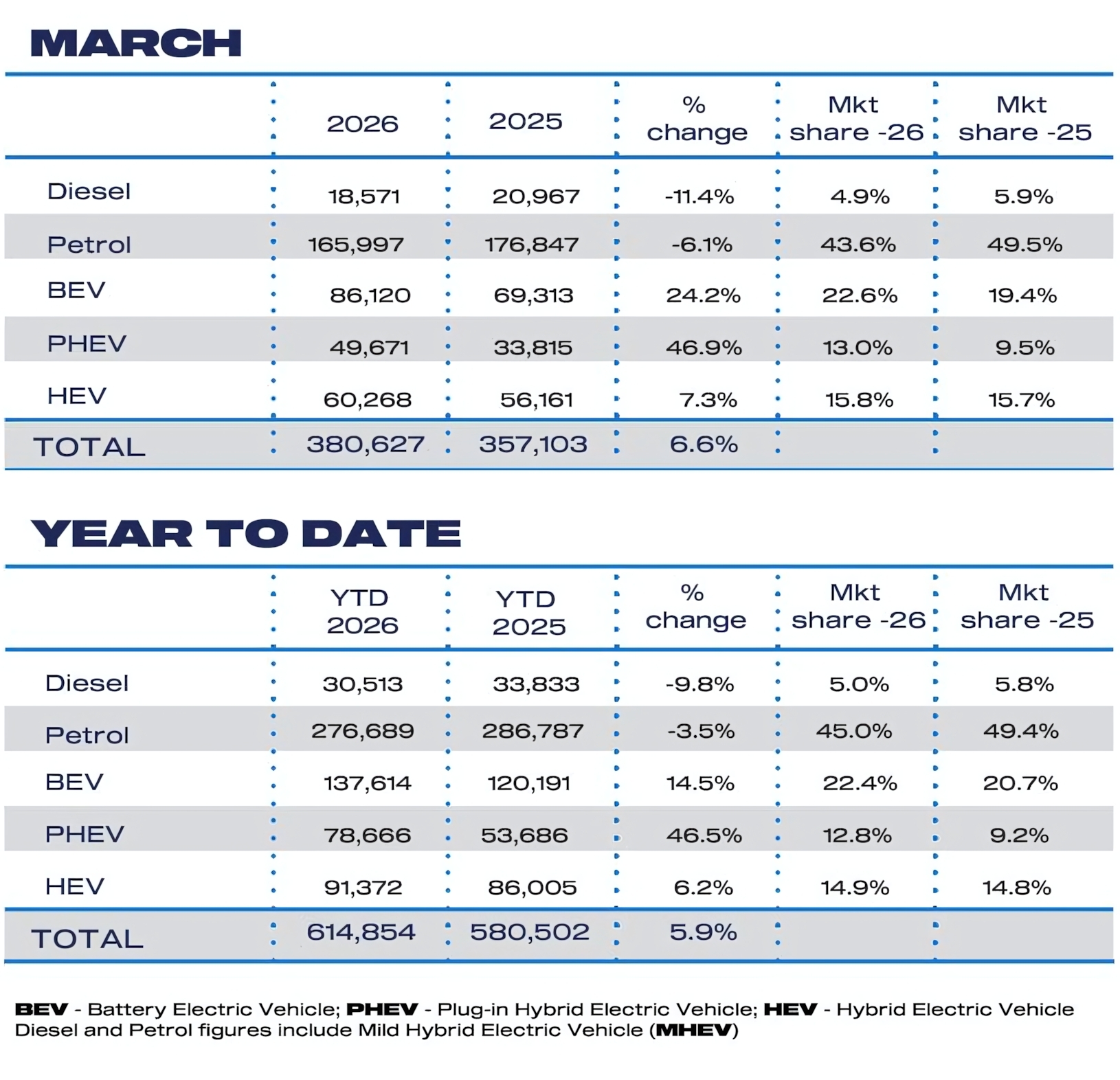
The UK’s new car market picked up pace in March, with the Society of Motor Manufacturers and Traders reporting a 6.6% increase to 380,627 registrations, making it the strongest month since 2019. Private buyers led the charge with a 10.1% jump, while fleet sales rose 3.5% and business registrations climbed 18.8%.
More: Rivian Beat Four Major Automakers In EV Sales, And Its Biggest Model Hasn’t Even Launched Yet
Electrified vehicles delivered a record-setting month, led by a 46.9% surge in plug-in hybrids. Self-charging hybrids followed with a 7.3% increase, while battery electric vehicles climbed 24.2%. It also marked the strongest month on record for fully electric cars in the UK
In market share terms, plug-in hybrids took 13%, self-charging hybrids reached 15.8%, and battery electric vehicles claimed 22.6% of UK sales in March. That last figure looks strong, but it still sits well short of the government’s 33% Zero Emission Vehicle target for 2026.
UK New Car Registrations 2026
Source SMMT
Clouds On The Horizon
Even with record numbers on paper, the mood behind the scenes is far less celebratory. SMMT says automakers are leaning heavily on discounts just to keep momentum going. At the same time, battery costs are running about 30% higher than expected, while public charging prices have climbed 140% over the past five years. That combination leaves margins looking increasingly fragile.
More: The Iran War Could End Tomorrow. The Auto Industry Could Still Lose Over A Million Sales
The situation is further complicated by the ongoing Iran crisis. While the conflict has pushed fuel prices sharply higher and nudged more drivers to consider EVs, it also risks eroding consumer confidence as everyday costs rise across the board.
Mike Hawes, SMMT Chief Executive, said:
“The strongest new car market since 2019, with the highest ever volume of EV registrations, is a boost to the industry and the economy. However, the headlines belie the costs incurred and the challenges involved. Much of March’s performance will be from orders placed before the start of the Iran conflict, which threatens to raise the cost of living, undermining consumer confidence. Against this backdrop, and with the EV market falling further away from mandated levels despite record levels of incentives, an urgent review of the transition is required to secure a sustainable market, economic growth and the UK’s net zero ambitions.”