


- Europe is considering tightening a niche truck import exemption.
- About 7,000 American pickups and SUVs use the loophole annually.
- The U.S. has effectively barred imported trucks for more than 60 years.
Trade agreements between nations aren’t exactly riveting news normally, but when one large group calls out another, it’s significant. According to a new report, US automakers have accused the EU of blocking supersized trucks from landing in Europe, creating the impression that Brussels is imposing a sweeping ban on American pickups.
The report in the Financial Times rests almost entirely on comments from one unnamed executive at “a Detroit carmaker,” from U.S. ambassador Andrew Puzder, and an earlier letter sent by the American Automotive Policy Council, the lobbying group representing Ford, GM, and Stellantis. None of the automakers publicly accused the European Union of blocking their trucks, and Ram, Ford, and GM declined to comment.
More: Kia Tasman Seen In California, But Don’t Look For It On The Lot
The executive at the US carmaker said: “The US administration is aware that not only is Europe dragging its feet on the trade agreement, but they’re also looking at restricting US products and limiting customer choice in Europe.” At issue is the EU’s Individual Vehicle Approval system, or IVA.
What Is Individual Vehicle Approval?
The program allows a limited number of vehicles built for other markets to be imported into Europe without fully complying with every EU regulation. It is essentially a loophole for low-volume or unusual vehicles not too far afield from the “Show and Display” exemption in the U.S. market.
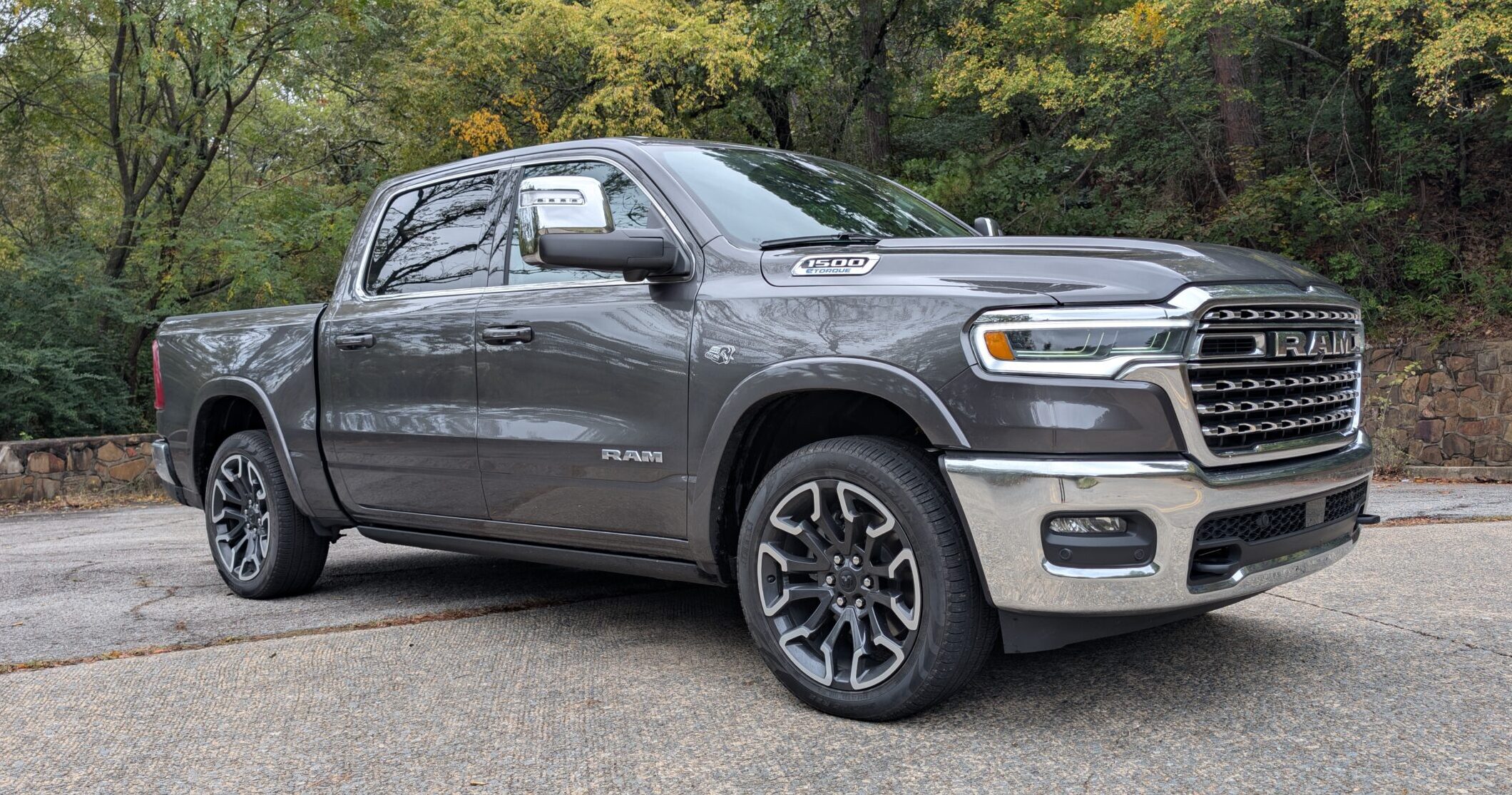
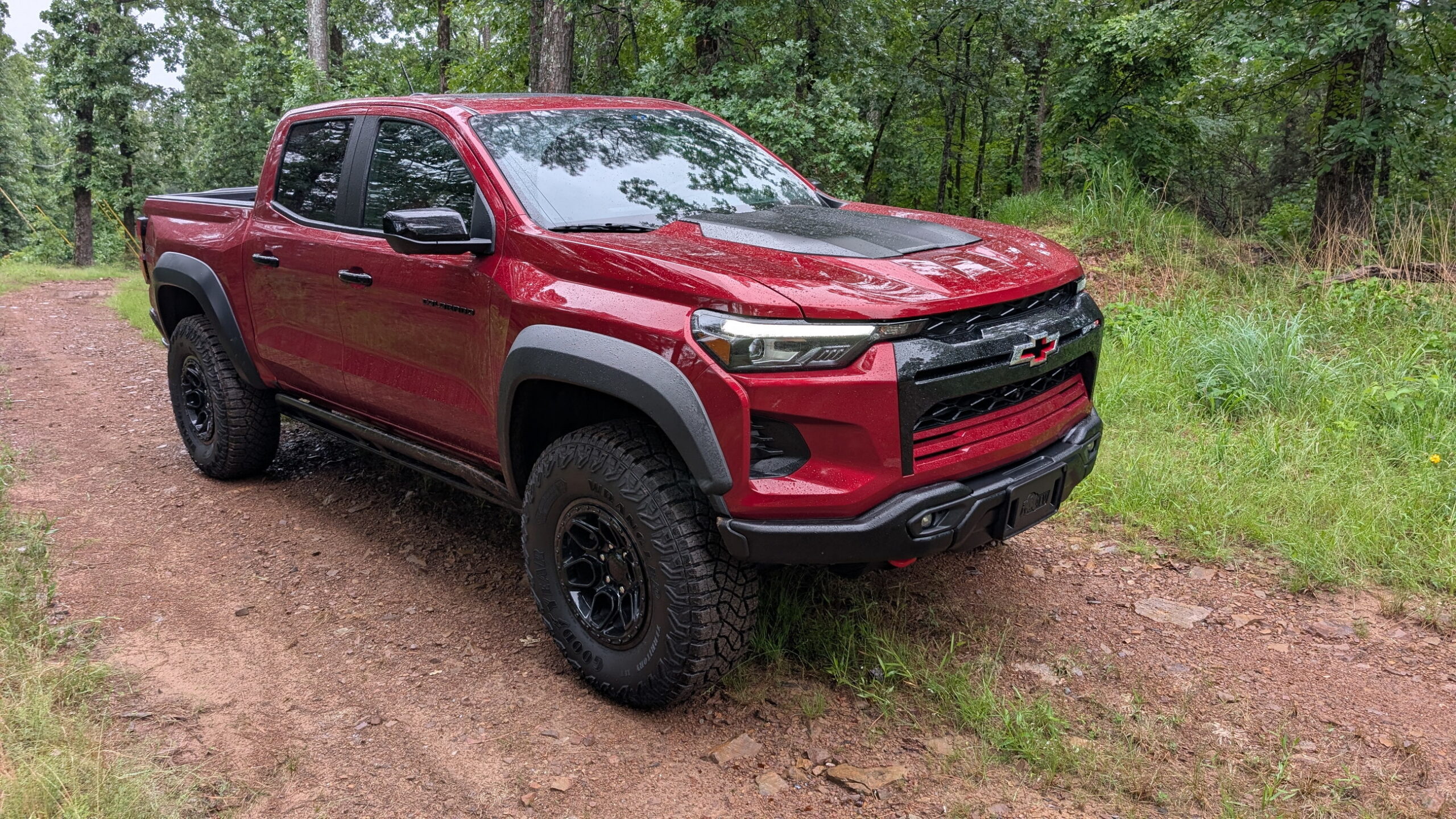
That rule allows a small number of American pickups and SUVs to reach Europe despite not being originally developed to meet the EU’s emission and safety regulations. According to Transport & Environment, around 7,000 such vehicles were sold through the scheme in 2024, accounting for less than 0.1 percent of the European market. Nearly 5,200 of those were Ram trucks.
To put that scale into perspective, Ford sold 801,525 F-Series trucks in the United States last year, or about 2,196 per day, while Ram recorded 374,059 sales, roughly 1,025 per day. At that pace, Ford would reach 7,000 sales in just over three days, while Ram would take a little under a week in America.
Europe is considering changes to this niche exemption that affects a tiny number of vehicles, and not to outright ban US-built full-size trucks, beginning in 2027. According to the Commission, the goal is to close loopholes that could allow vehicles onto European roads without meeting the bloc’s safety standards.
Critics of full-size American trucks have seized on the issue. Transport & Environment argues that pickups such as the Ram 1500 pose greater risks to pedestrians and cyclists due to their size and visibility limitations. The group claims the Ram’s hood is tall enough that a child standing directly in front of the truck may not be visible to the driver.
Whether or not you agree with that argument, it is at least a policy debate grounded in safety. That is a very different claim from saying Europe is simply trying to keep American vehicles out.
The Other Issue In The Mirror
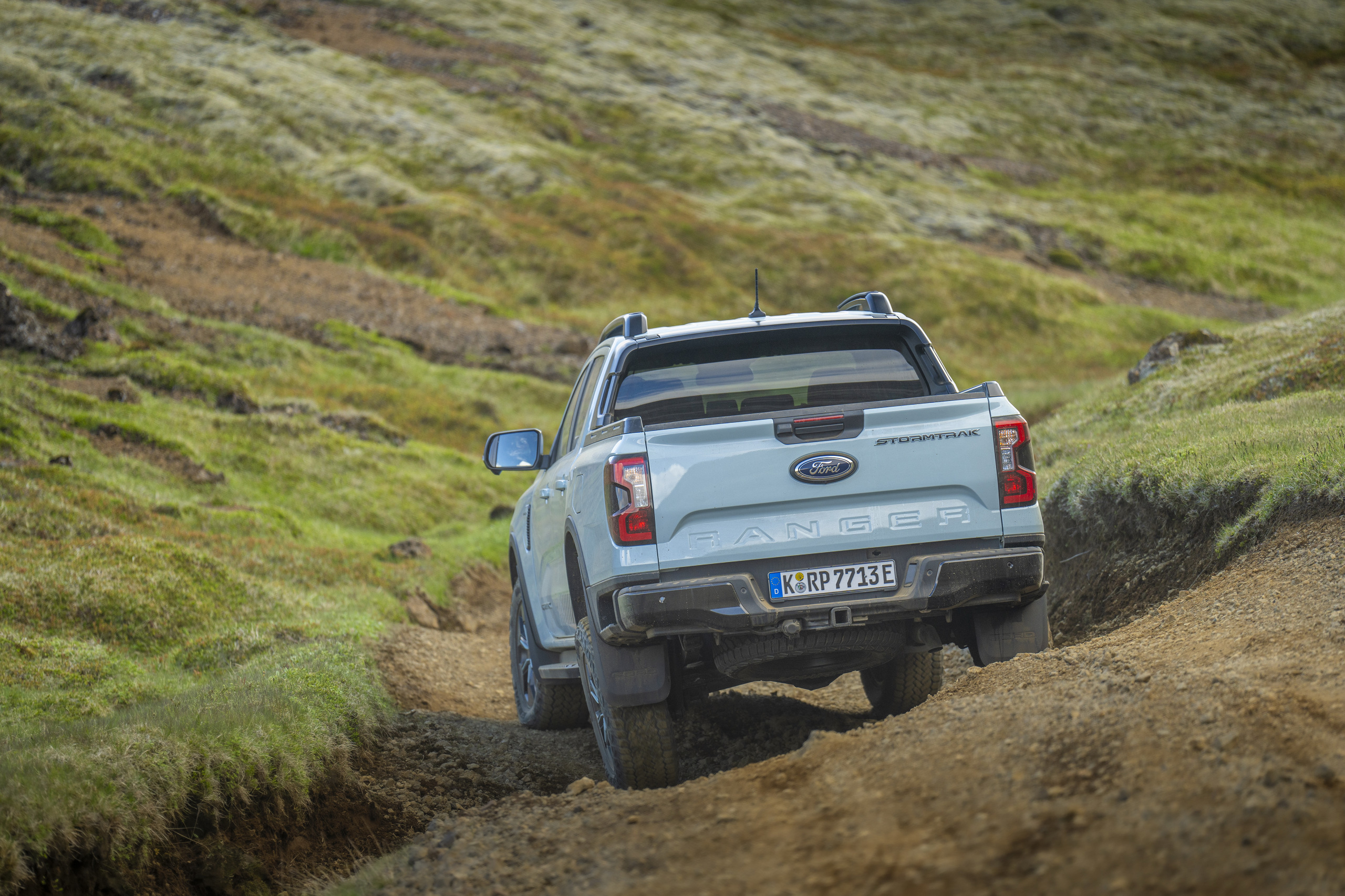
There is also an unmistakable element of hypocrisy in hearing American officials complain that another government may make it harder to import pickup trucks. In the report, Puzder says, “We would hope … issues like the IVA will be resolved in the spirit and consistent with the terms of that agreement. You can’t have low tariffs and massive non-tariff trade barriers and claim you’ve got a functioning relationship.”
The United States has effectively barred truck imports for more than half a century. America’s so-called chicken tax imposes a 25 percent tariff on imported light trucks. First introduced in 1964, the tariff has shaped the entire U.S. pickup market by making it prohibitively expensive to import foreign-built trucks.
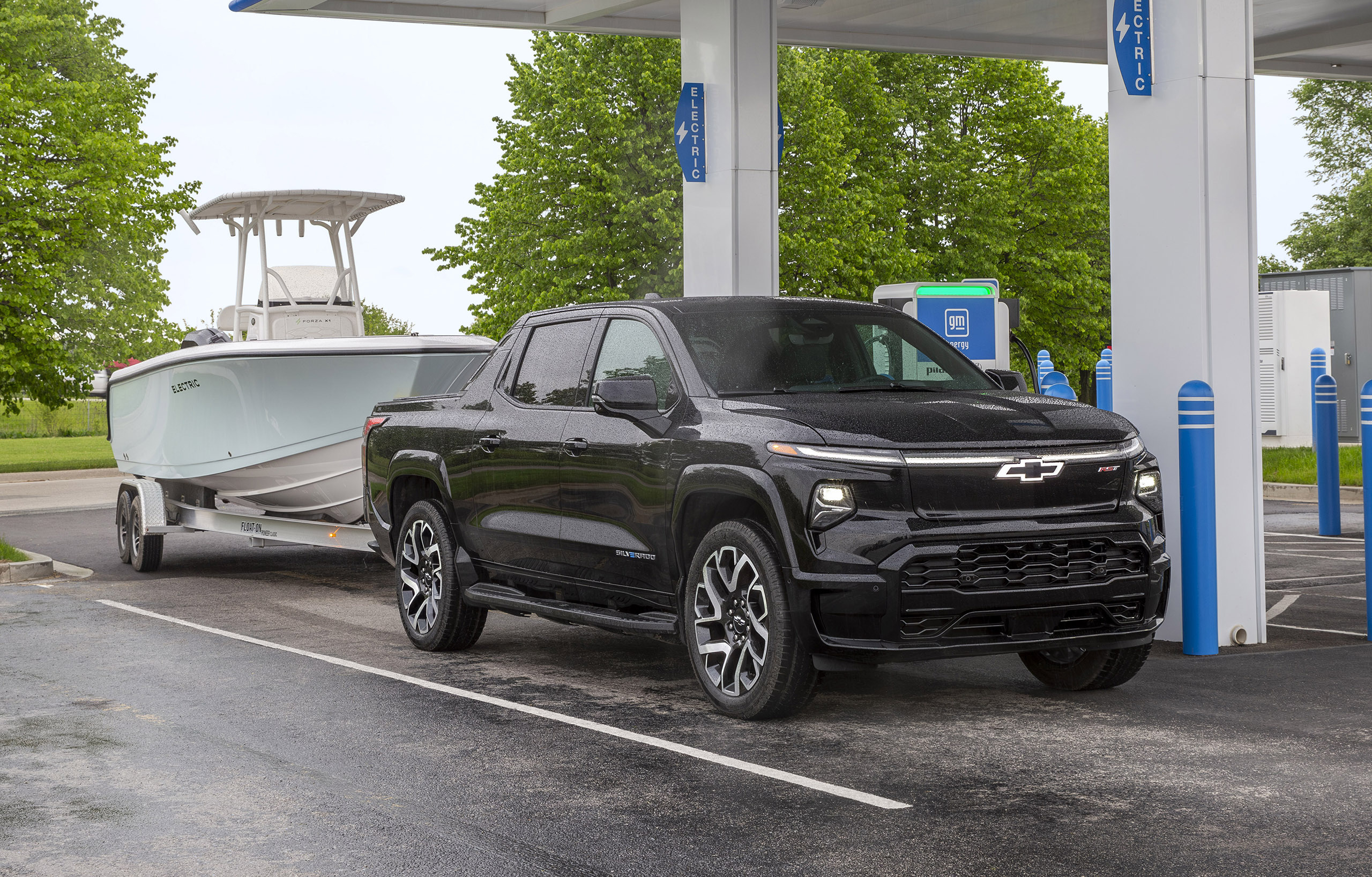
That is why Toyota, Nissan, Honda, and Mercedes eventually built their models in North America rather than shipping them in from abroad. It is also why companies have resorted to elaborate workarounds, including Ford once importing Transit Connect vans as passenger vehicles and then removing the rear seats after they arrived to avoid the tariff.
All of this is to say nothing of the fact that Americans currently cannot import vehicles of their choosing to the country if they don’t meet Federal Safety Standards. Compared with a 25 percent tariff that has protected the U.S. truck market for more than 60 years, Europe’s tightening of a little-used import exemption affecting around 7,000 vehicles seems relatively modest. If Europe’s proposal is protectionist, then America has been writing the playbook since 1964.