- Latin America has seen a boom in EV adoption, particularly in Costa Rica.
- Consumers, influenced by rising gas prices, are buying more EVs than ever.
- Many Chinese brands are dominating, thanks to their affordable offerings.
The cost to fill up in the US has risen sharply in the first few months of 2026, including back-to-back 25-cent weekly jumps that pushed the national average to $4.51 at the time of publishing. The pain isn’t localized either. Gas prices in nearly every country have spiked, and they look set to stay elevated for the foreseeable future.
So, with 2026’s outlook for fuel costs not looking good, and 2027’s not looking much better, what’s a possible solution? Well, many around the world are embracing EVs. New car buyers in countries where consumers are more price-sensitive are lapping up the switch, helped in no small part by the many affordable options offered by Chinese automakers.
Read: Chinese EV Brands Are On A Hiring Spree In Canada As They Set Up Shop
Across Latin America, Africa, and much of Asia (markets that don’t get nearly as much attention as the US, Europe, or China), EV sales soared 79% in March compared to the same month a year prior, according to research firm Benchmark Mineral Intelligence. For all of 2025, that same grouping posted a 48% growth.
Chinese Brands Gain Ground
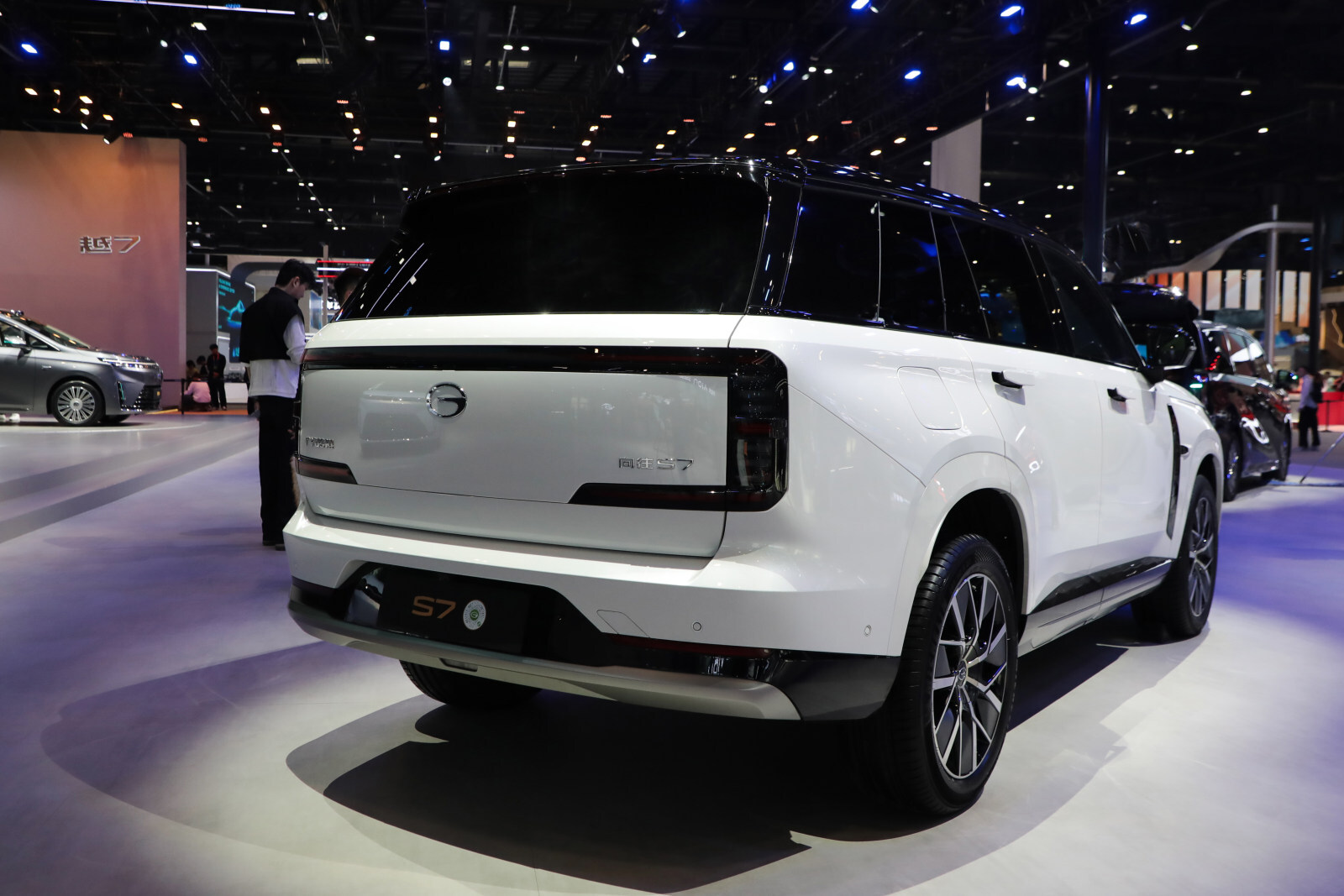
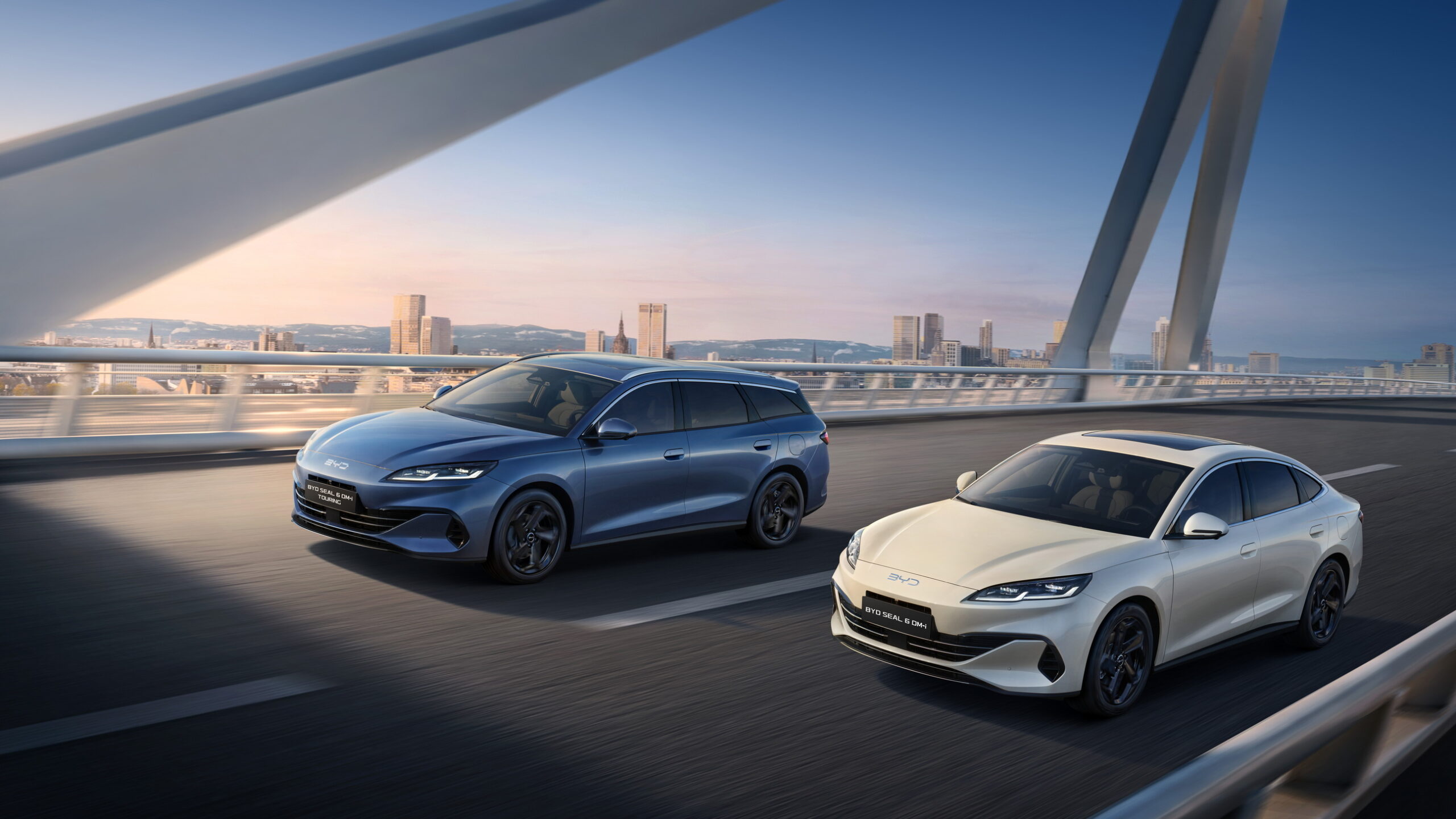
Costa Rica, where the average price of gasoline is $1.61 a liter or $6.09 a gallon versus a global average of $1.46 a liter or $5.53 a gallon, per Globalpetrolprices, is one such nation leading the charge. According to The New York Times, Costa Ricans buy more EVs per person than nearly any other Western Hemisphere country. Chinese brands such as Geely and BYD have rapidly taken over the market, and EVs accounted for 18% of all vehicle sales in the country in the first three months of 2026.
Kattia Cambronero, a member of the Costa Rican Legislative Assembly, said that “…it gives Costa Rica energy sovereignty.” What this means is that Costa Rica doesn’t have to rely too heavily on crude oil imports, reducing its dependency on a commodity whose price is seesawing rapidly these days. Last month, Cambronero pushed through legislation to fast-track construction of EV charging stations in the country, further bolstering their switch towards electric mobility.
Costa Rica As A Case Study
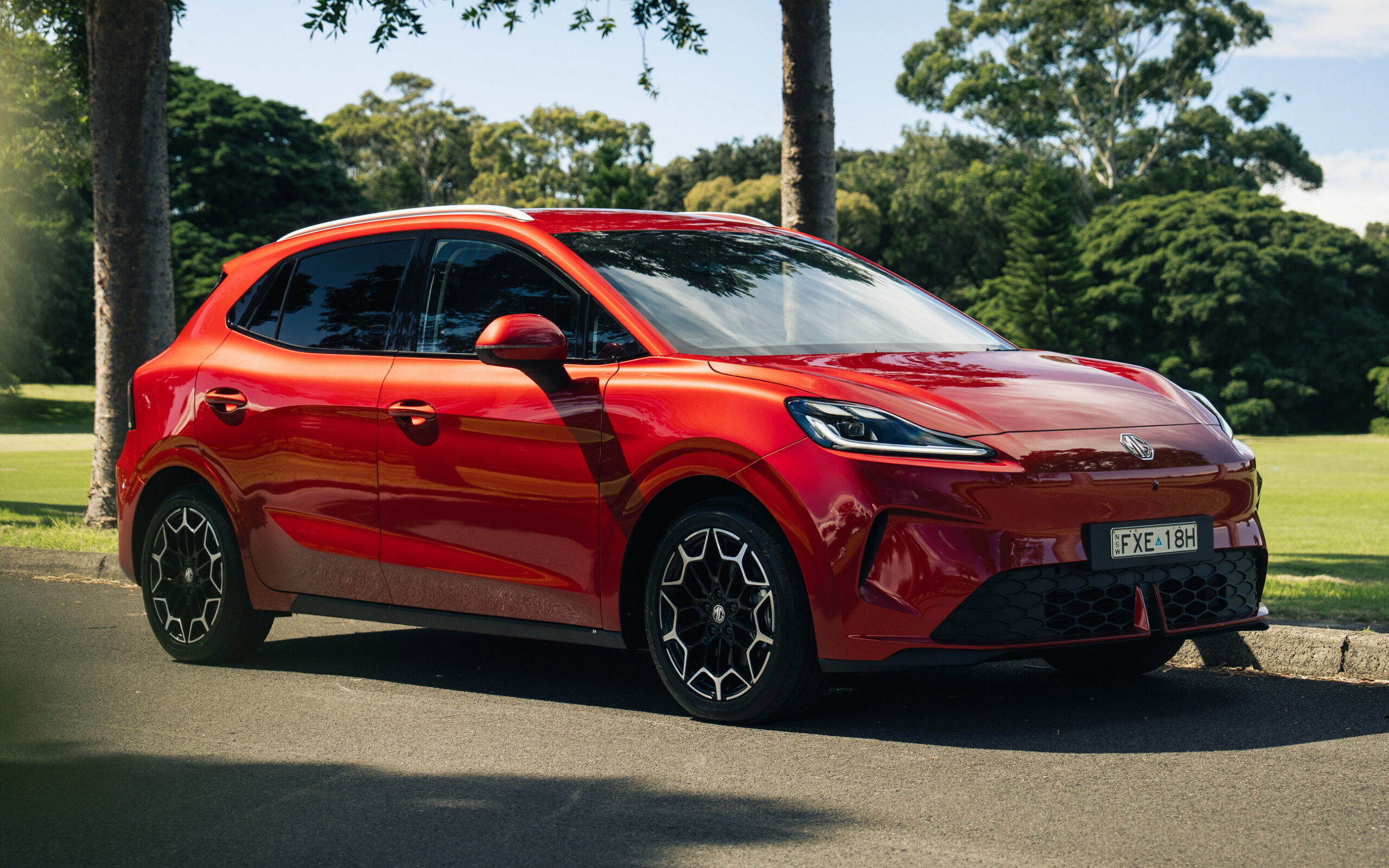
Costa Rica is an ideal case study into what happens when there are no restrictions on importing Chinese EVs. Buyers in the United States are denied access to these inexpensive but technologically advanced and well-built vehicles due to bipartisan opposition. It’s the same in other countries that don’t have the same tariffs, where you’ll find vehicles from BYD, MG, Geely, and many others, as well as sub-brands sold by these major Chinese automakers.
According to a member poll by Asomove, a Costa Rican electric vehicle association, 70% of respondents cited cost as the primary reason for their EV switch. They moved to electric mobility simply because it was cheaper to run an EV, resulting in cost savings. This is important, because while Costa Rica is rich by Central American standards, its per-capita income is around a quarter of that in the United States. That’s why you can find at least three Chinese EV models selling for less than the equivalent of $20,000 in the country.
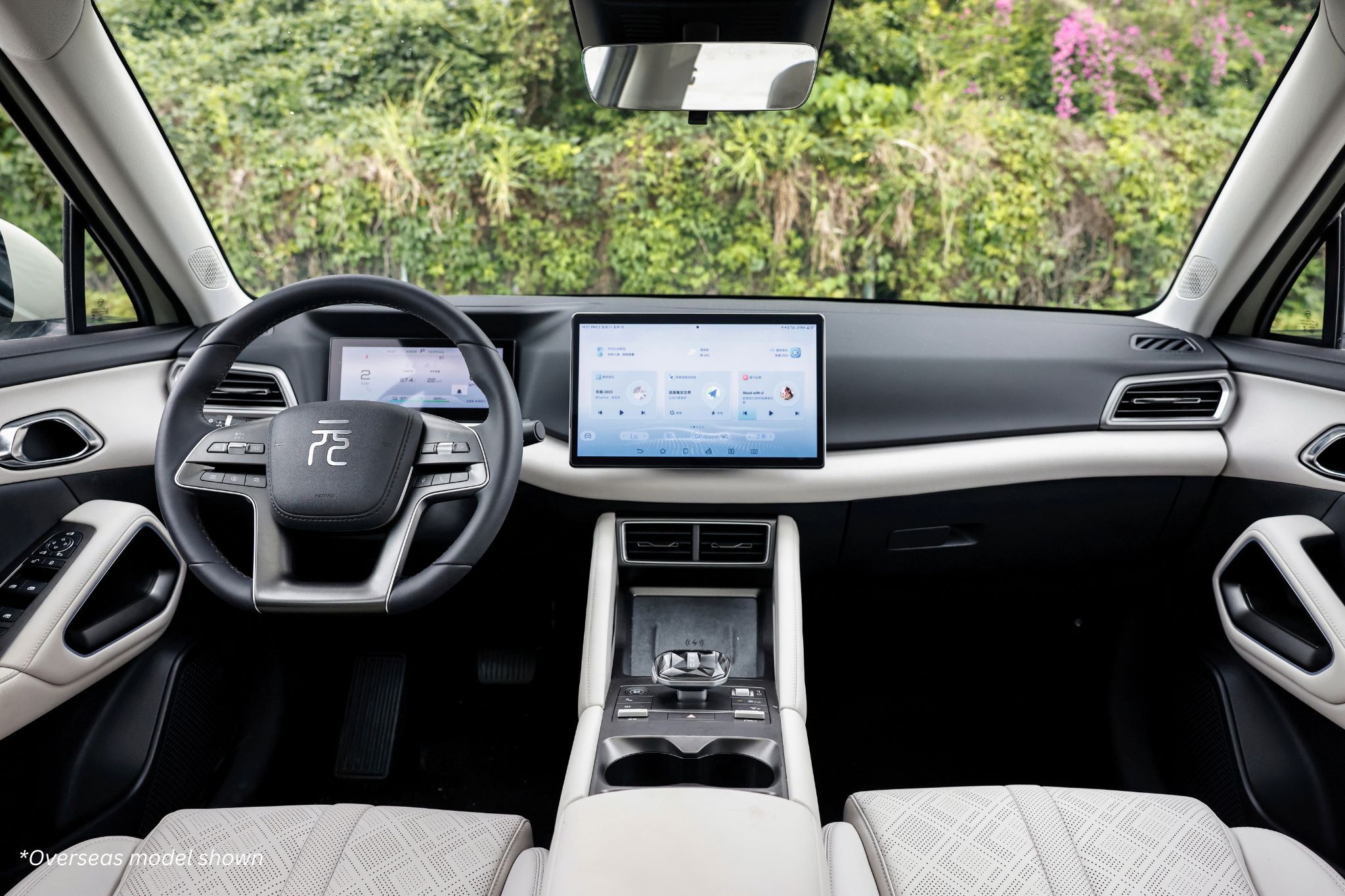
Plus, Costa Ricans have short commutes, which is where EVs really shine. Short commutes in town traffic can really affect MPG figures in a gas or diesel car, but EVs tend to thrive in this environment thanks to factors such as regenerative braking. This allows some energy to be recuperated back into the battery pack under deceleration and braking and is present in most hybrids as well. But the government also helps with the transition, offering certain tax and fee exemptions since 2018 to woo more buyers onto the EV bandwagon.
However, it hasn’t been all plain sailing. The South American country’s EV infrastructure hasn’t kept pace with its adoption rate. At the Croc Skywalk tourist stop south of San José, two of the most powerful chargers sat unused, because the plugs didn’t fit the Chinese cars, which make up the bulk of the country’s EV fleet. There are also worries about the wider power grid, and whether it can support the added load that more and more EVs will bring.
But the consumers of Costa Rica aren’t alone. And billions of people in these markets are reaching the same conclusion: that an EV, particularly a cheap Chinese one, makes more financial sense than filling a tank every week at prices that show no sign of coming down.