


- Lexus’ TZ sits unusually low for a three-row, chasing efficiency and composure.
- The ultra-quiet cabin feels genuinely luxurious despite a few odd material choices.
- Pricing will decide whether the TZ becomes a real contender or a niche luxury EV.
A week ago, Lexus pulled the wraps off of its new TZ, the brand’s first three-row electric SUV. Now, we’ve just had a chance to see it up close, and there’s a lot to drink in. Available with up to 402 horsepower, this new all-electric SUV that’s based on the Toyota Highlander EV appears ready for prime time. Whether it flies off dealer lots won’t likely be down to interior quality, but rather pricing.
Read: The 2027 Lexus TZ Borrows The Highlander’s Bones And The LFA’s V10 Voice
Unlike most modern three-row SUVs desperately trying to cosplay as off-roaders, the TZ sits low. Really low. That stance completely changes the vibe of the vehicle. Instead of chasing fake ruggedness with oversized cladding, massive ride heights, and chunky styling gimmicks that hurt both efficiency and on-road dynamics, the TZ feels intentionally road-focused. It’s sleek, stretched, and surprisingly elegant for something this large.
Aerodynamic Lexus Styling
Speaking of efficiency, the TZ has a drag coefficient of just 0.27. To put that into perspective, the Prius scores 0.25. That’s right, this three-row SUV is almost as slippery in the wind as a Prius.



Photos Stephen Rivers / Carscoops
From some angles, especially up front, the design does feel a little derivative. There’s only so much you can do when aerodynamic efficiency becomes the priority, and EVs no longer need giant grilles or aggressive cooling ducts. But the rear? That’s where the TZ becomes genuinely interesting. The tail has a far more artistic and sculptural look than the front, giving the SUV a stronger visual identity than Lexus’ press photos initially suggested.
Interestingly, the version shown here is technically the European model. U.S.-spec examples will reportedly offer an illuminated front badge. Powertrain details remain somewhat limited for now, but Lexus has confirmed dual-motor all-wheel drive and roughly 300 miles (483 km) of range or (not and) up to 402 horsepower (299 kW) depending on trim.
Inside The Driver’s Lounge
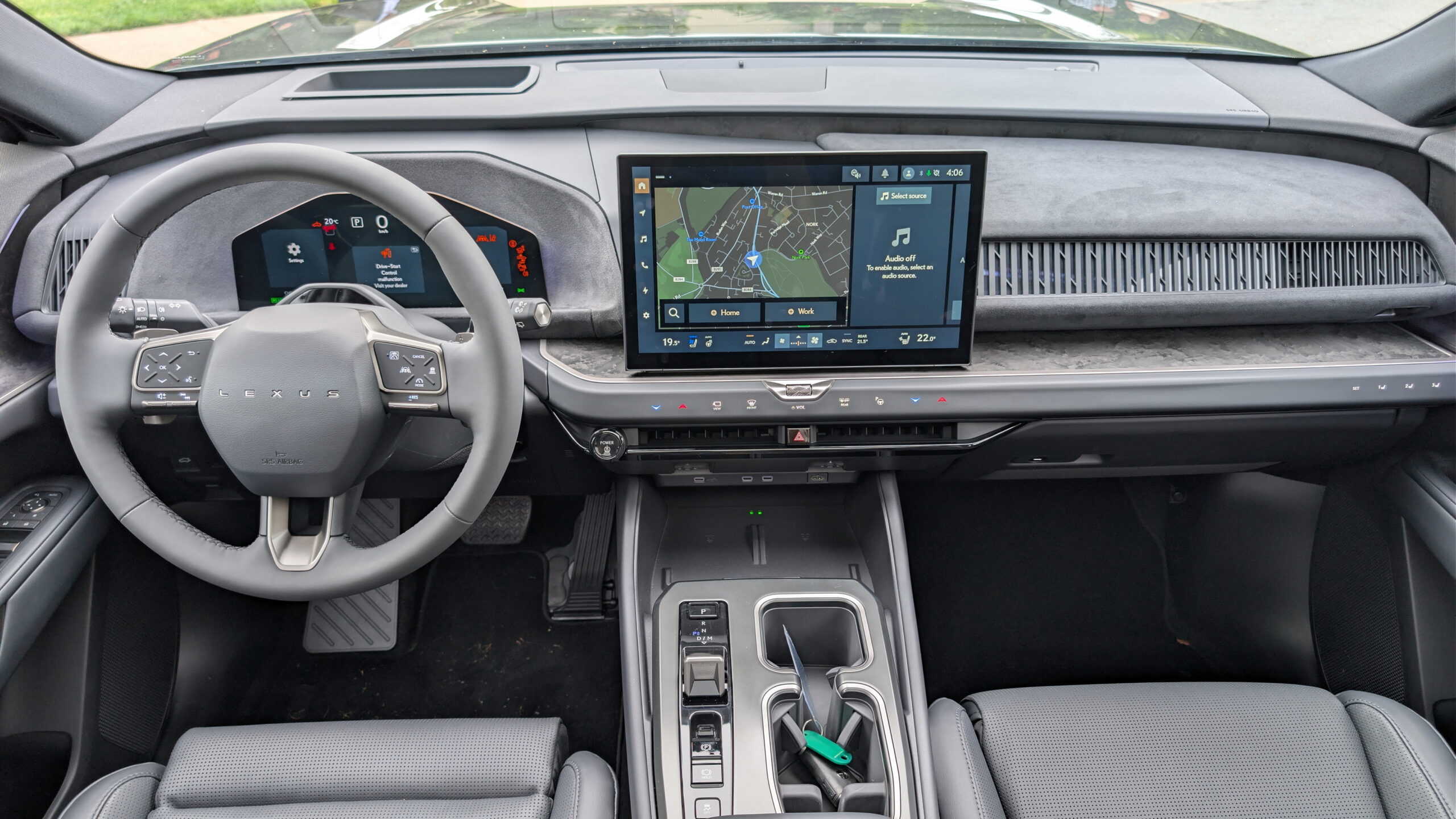
Inside, the TZ leans heavily into what Lexus calls a “Driver’s Lounge” philosophy. Slightly strange wording considering drivers probably shouldn’t be lounging behind the wheel of a massive electric SUV, but the execution itself works. The cabin is exceptionally quiet, arguably quieter than anything else in Lexus’ lineup, including the LX. And unlike many EVs that simply feel sterile, the TZ genuinely comes across as upscale.
First Look: New Toyota Highlander Drops Its Biggest Tradition, And I Got A Front-Row Look
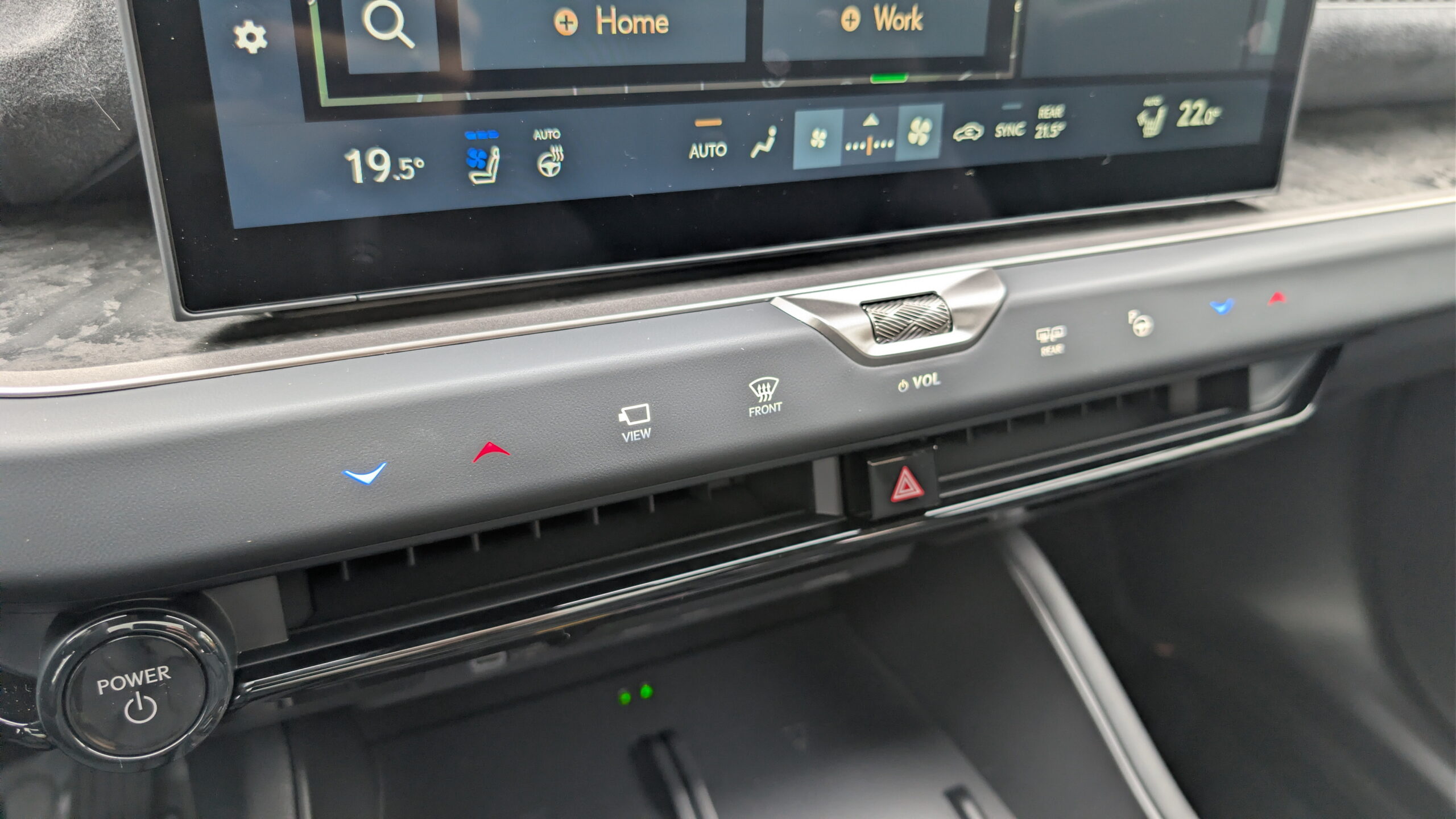
Designers did a great job of making the dash different enough from the Toyota Highlander that they’re not a direct one-to-one comparison despite having a similar vibe overall. Things like the gauge cluster, wireless chargers, and some controls are in similar spaces but positioned a bit differently.
Some materials are more successful than others. Lexus’ “forged bamboo” trim sounds incredibly cool on paper, and the fact that it incorporates real bamboo is admirable. In reality, though, the finish initially looked more like faux stone-effect plastic before anyone explained what it actually was.
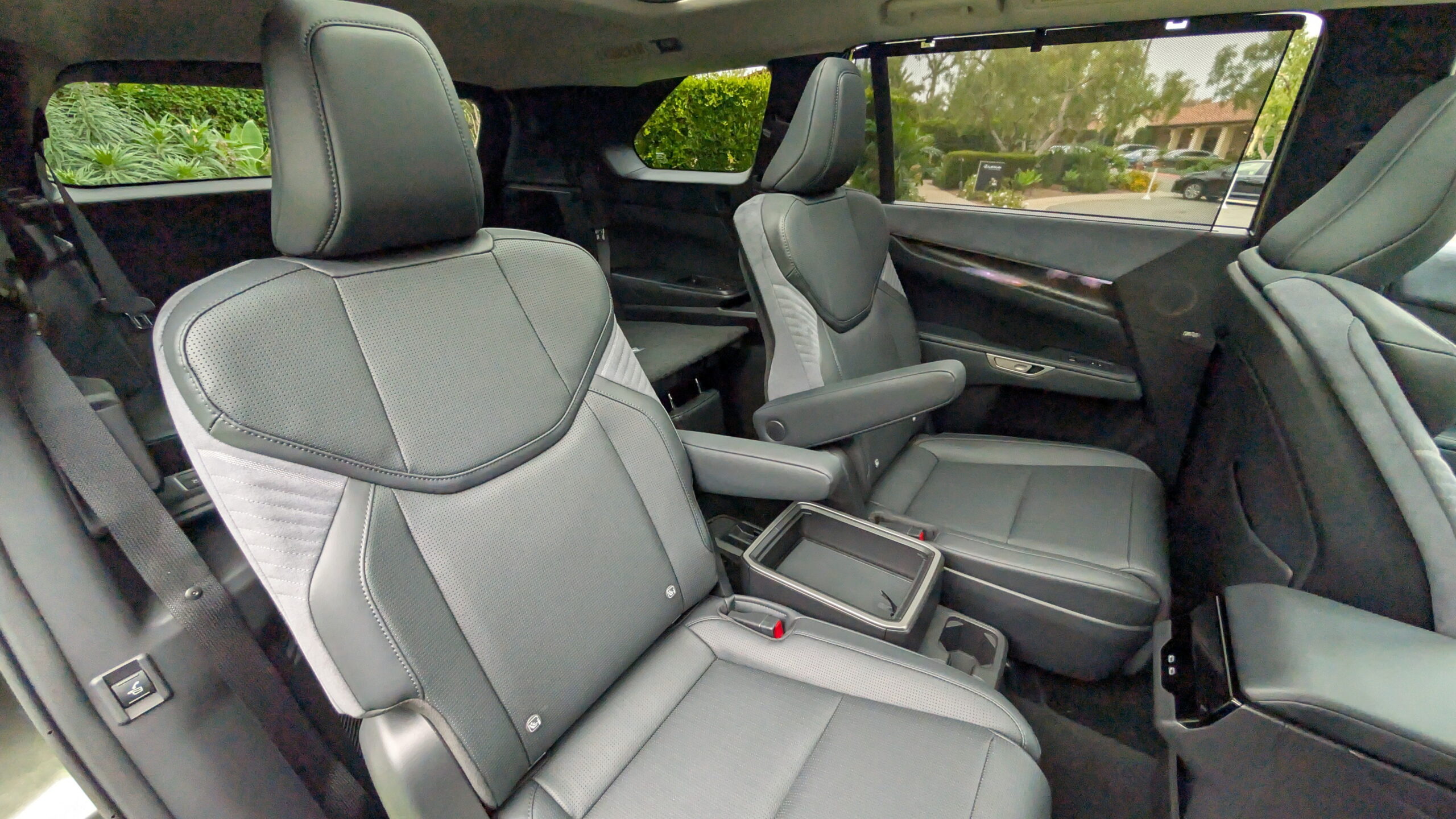
Still, there’s a lot to like here. The packaging appears excellent, the third row seems genuinely usable, and certain details make more expensive products like the Cadillac Escalade IQ feel undercooked. For instance, the TZ features one-touch power buttons along with heating and seatback adjustment for the third row. The Escalade, which costs substantially more, has none of that.
Also: New Toyota Highlander Goes All-Electric, But Its Door Handles Don’t Fully Trust Electricity
There are plenty of tech items to sort out whenever we get the chance to drive it for the first time. For example, it’ll feature rear-wheel steering, a high-end Mark Levison audio system, and a “rear-comfort” mode for dampening inputs in order to make the ride more comfortable for rear-seat occupants.
Where The TZ Lives Or Dies
The biggest question is price. The engineering philosophy makes perfect sense for Lexus. EVs naturally amplify serenity, smoothness, and isolation. But enthusiasm for large luxury EVs in America remains questionable.
Given the TZ shares its underpinnings with the Toyota Highlander EV but sits a full segment above it in finish and intent, the gap between the two stickers will be the real test. If Lexus prices the TZ aggressively enough, it could become a compelling alternative to vehicles like the Volvo EX90. If not, this may simply become an exceptionally refined niche product for buyers who want maximum comfort and minimal noise.