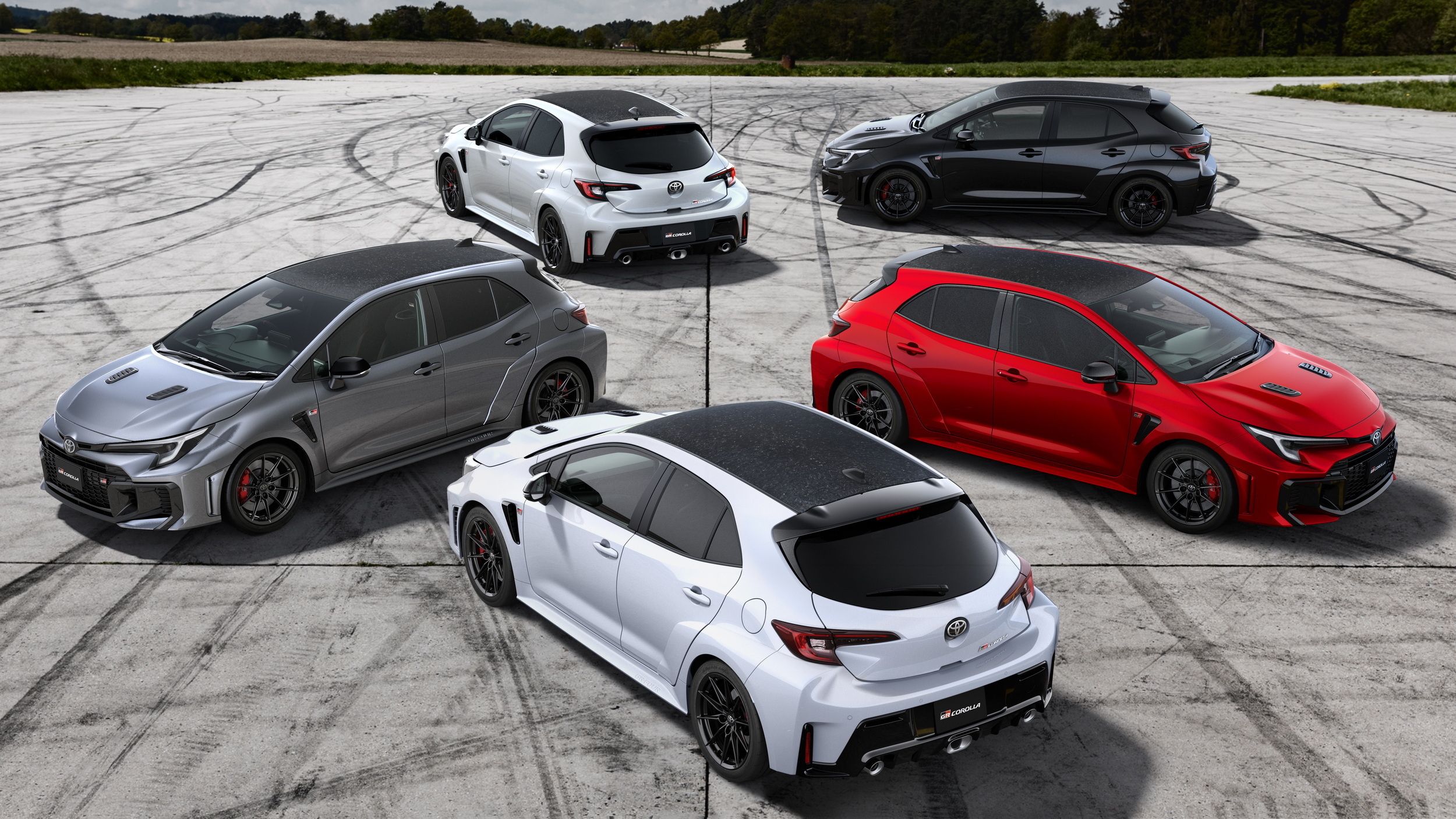



- Toyota will build the GR Corolla in Derbyshire starting this summer.
- UK luxury exports already sit near the 100,000-vehicle US tariff cap.
- Crossing that cap will trigger a jump from 10 to 27.5 percent.
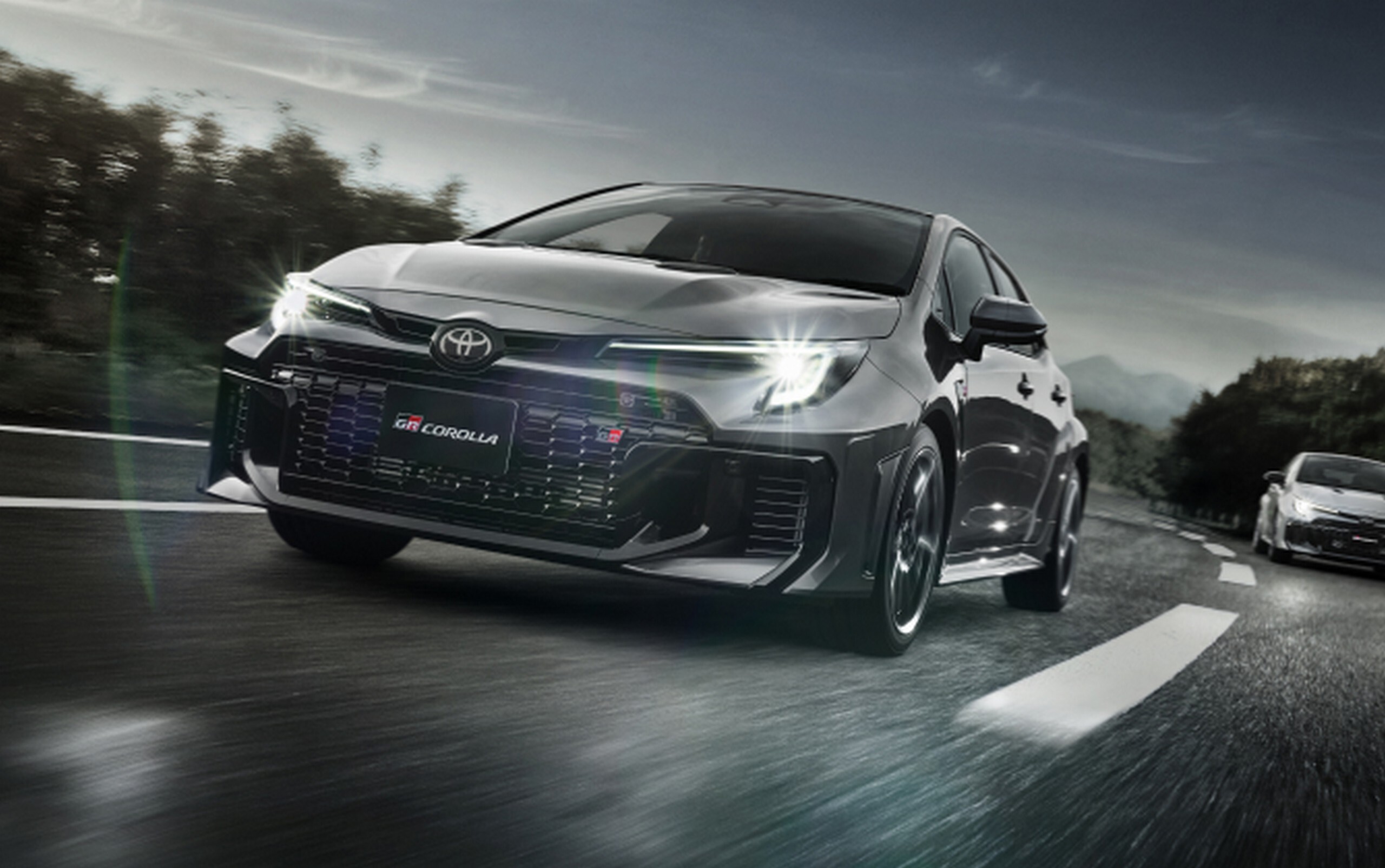
Trade policy has a way of producing strange bedfellows. On paper, the Toyota GR Corolla and a Rolls-Royce Phantom share almost nothing. One is a rowdy, rally-bred hot hatch with flared arches and a six-speed manual. The other is a six-figure rolling palace built for owners who would rather be chauffeured than touch a gearstick. Yet thanks to the fine print of global trade policy, the little Toyota could end up driving the price of British luxury upward in America.
Under the US-UK trade agreement, British-built vehicles imported into the US enjoy a 10 percent tariff rate, but only up to a point. Once imports clear 25,000 vehicles per quarter or 100,000 annually, the rate jumps to 27.5 percent.
Read: Toyota Improves 2026 GR Corolla With A Clever Trick
That quota hasn’t been much of a problem historically. Brands like Aston Martin, Bentley, Land Rover, Lotus, Mini, McLaren, and Rolls-Royce collectively sold just under 98,000 U.K.-built vehicles in the U.S. last year. They were already flirting with the limit, but still had breathing room. Toyota may accidentally crash the party.
Toyota plans to begin building the GR Corolla at its Burnaston plant in Derbyshire this summer and export as many as 10,000 examples annually to the U.S. market. Last year, Toyota sold 5,816 GR Corollas in America, and shifting production from Japan to the U.K. potentially lowers its own tariff exposure. The Japanese-built version currently faces a 15 percent tariff, and Toyota reportedly paid a staggering $9 billion in tariffs last year.
But here’s where things get weird. Adding up to 10,000 extra cars into an already crowded quota system could push total British exports over the 100,000-unit annual threshold. That means someone eventually gets stuck paying 27.5 percent instead of 10 percent. And right now, there doesn’t appear to be a clear system for deciding who.
Industry experts told Automotive News the U.K. lacks an organized export management strategy that coordinates shipments among automakers. In theory, manufacturers could rush inventory into ports early each quarter, trying to beat the cap. But U.S. Customs applies tariffs when vehicles are processed at ports, not when they leave Britain, meaning timing suddenly becomes a high-stakes game of logistics roulette.
There’s also more pressure coming. JLR is expected to launch electric Range Rover models, while Jaguar’s reborn luxury EV lineup looms on the horizon. Those arrivals could make the quota squeeze even tighter. And that creates one of the strangest automotive domino effects in recent memory. A turbocharged Toyota hot hatch could potentially influence whether someone gets the exact Range Rover, Mini, or Bentley they wanted at the price they expected.