









- Trump is looking to revamp the United States-Mexico-Canada Agreement.
- Administration reportedly wants to increase North American parts content to 82%.
- More importantly, they want 50% of parts to be made in the United States.
The United States-Mexico-Canada Agreement (USMCA) came into force nearly six years ago and the United States bills it as a “mutually beneficial win for North American workers, farmers, ranchers, and businesses.” However, it’s up for review and the Trump administration appears to want big changes.
According to four people who talked to Reuters, the administration wants to increase the required North American parts content from 75% to 82% to receive preferential treatment. That’s a sizable bump, but one that doesn’t sound out of the realm of possibility.
More: Washington Reviews Auto Origin Rules Again As Trump Questions The Trade Pact
However, there’s a big kicker as at least 50% of that value would need to come from the United States. That’s a huge change as the current agreement only requires 40% or 45% of “core parts” – depending on vehicle type – to be made in high-wage jurisdictions such as Canada or the United States.
In effect, it sounds like the Trump administration is trying to steal automotive jobs from Canada. This is hardly surprising as relations between the two countries have soured significantly under the ballroom enthusiast, and the countries have targeted each other with tariffs amid the spat.
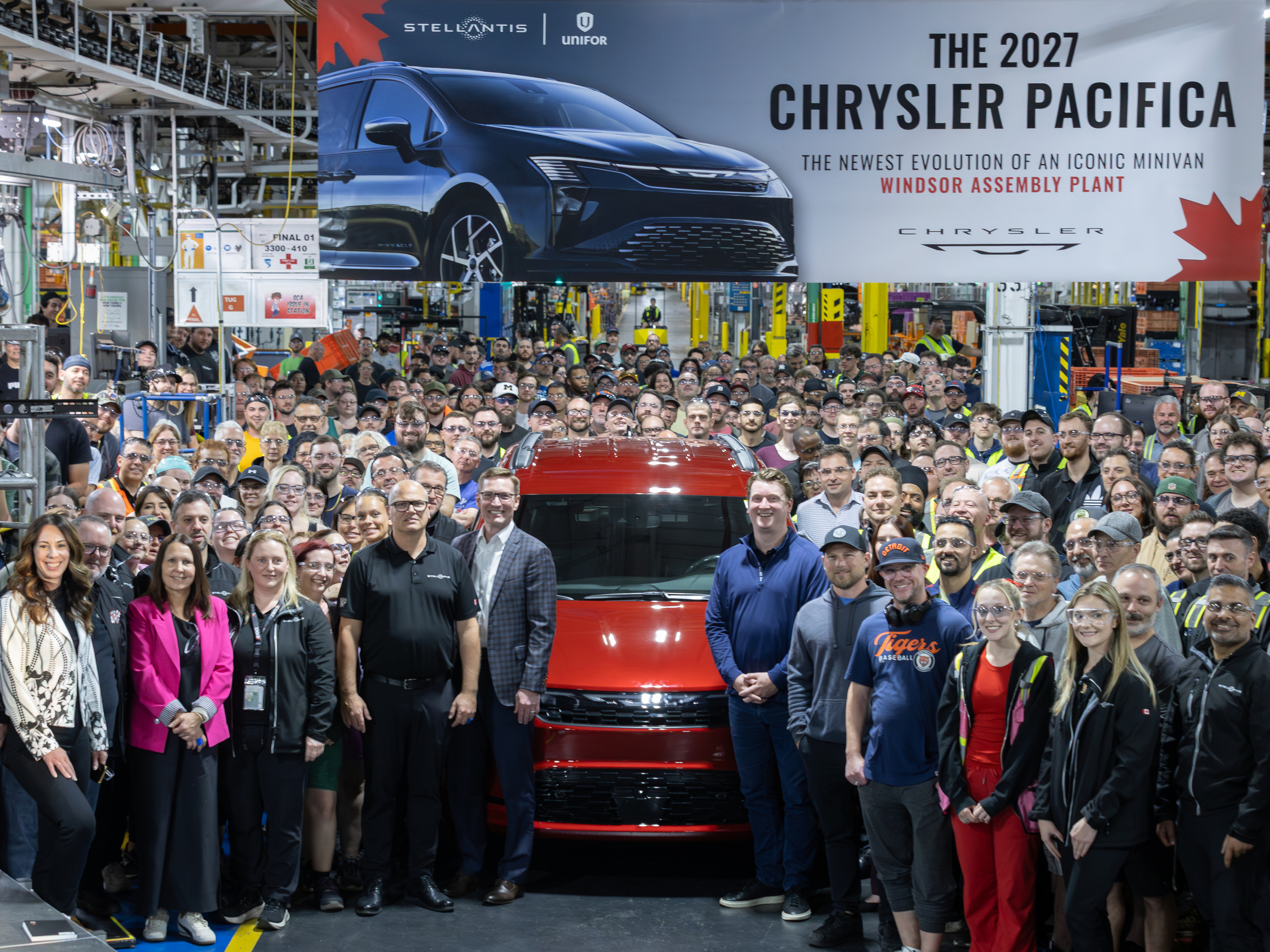
Reuters went on to suggest the United States could effectively negotiate the revised trade rules with Mexico and “then present them to Canada as a take-it-or-leave-it proposition.” On top of that, the administration reportedly wants to leave some tariffs on Canada and Mexico even with the new agreement.
It sounds like a lose-lose situation for Canada and Mexico, but the latter could benefit if our neighbors to the North take the biggest hit. However, it’s too early to say how things will pan out.
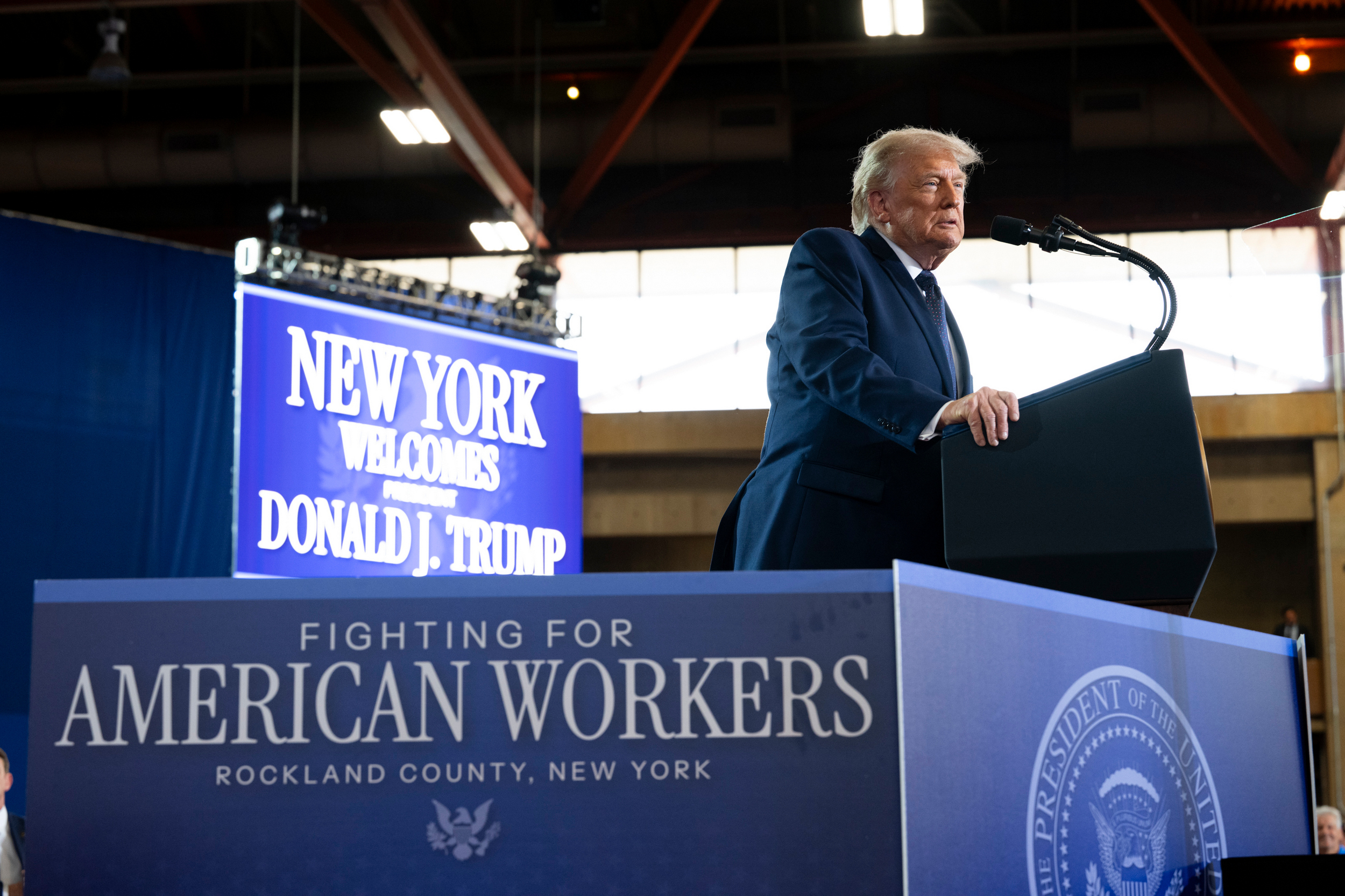
White House
That being said, automakers are likely concerned about drastic changes and consumers should be too. The Detroit News spoke to AutoForecast Solutions’ Sam Fiorani, who pointed out that increasing US parts content would likely drive up prices and limit options.
As he explained, “Mexico supplies a lot of vehicles that are price-sensitive. Raising the cost of those vehicles by requiring more expensive U.S. labor to be included would eliminate their competitiveness in the U.S. market.”