









- Chinese brands already want to sell more cars in Canada than quotas allow.
- Canada’s industry minister says any newcomers must follow labor laws.
- Several Japanese automakers, including Honda and Mitsubishi, are concerned.
Chinese carmakers that want to move more electric vehicles in Canada than the current quota permits will have to start screwing them together on Canadian ground first, Industry Minister Melanie Joly has made clear.
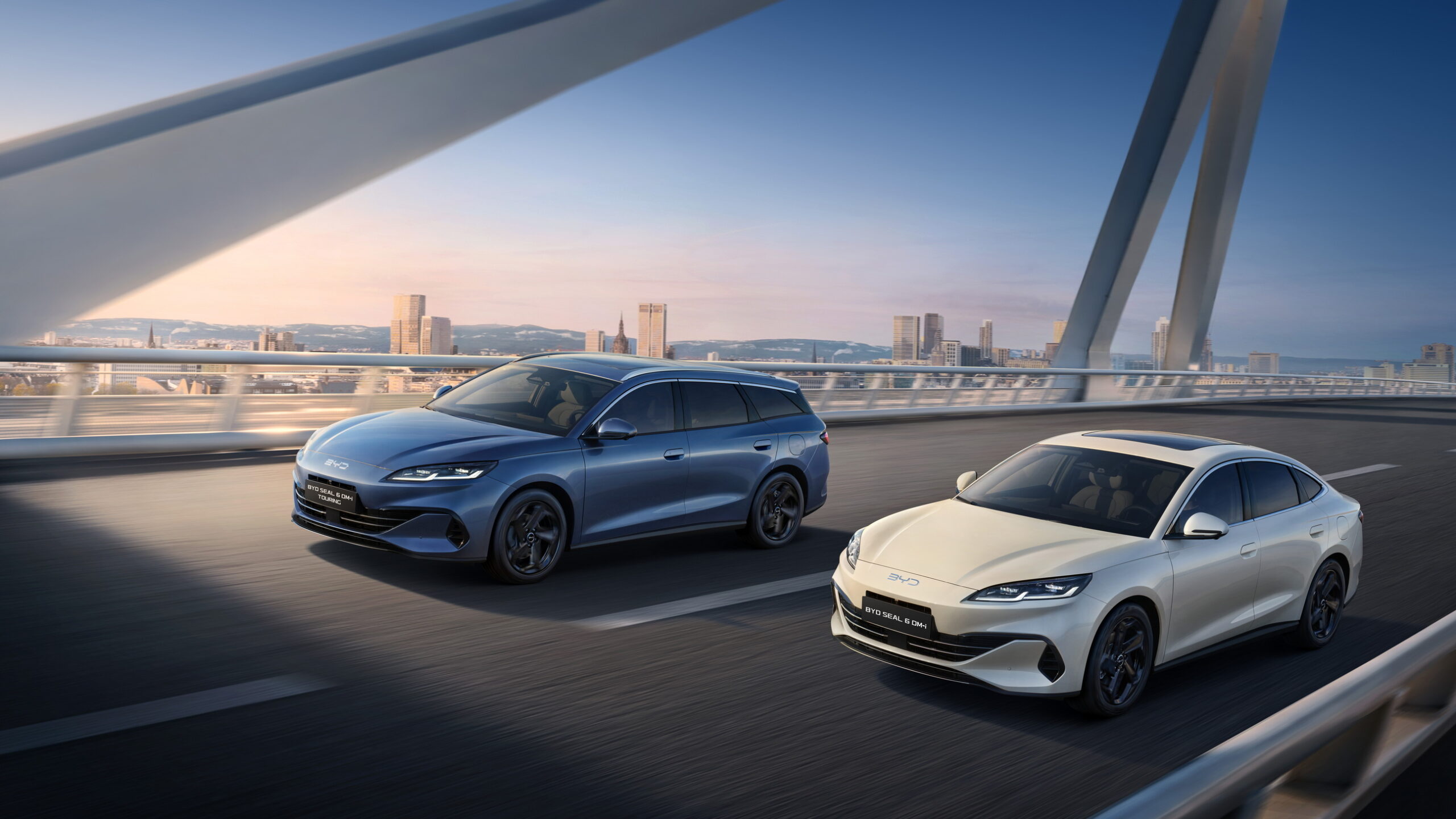
That doesn’t mean Ottawa is throwing the doors open and letting Chinese brands plant factories wherever they please, though. During a recent trip to China, Joly sat down with executives from BYD, Geely, Chery, and the R&D outfit Shanghai Launch Automotive Technology, and laid out a firm condition: any assembly plant built on Canadian soil has to take the form of a joint venture with majority Canadian ownership.
Read: China’s No. 2 Automaker Is Making A Play For Canada
Speaking with CTV News, went further, saying the plants would have to draw on Canadian suppliers and abide by local labor laws. On top of that, Chinese manufacturers would be on the hook for safeguarding the personal data of the Canadians who buy their cars.
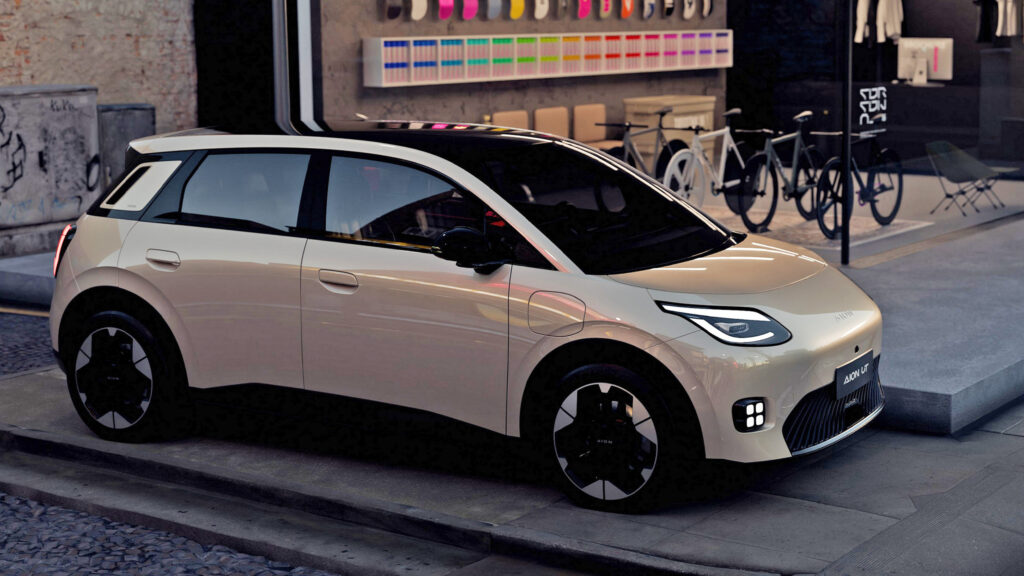
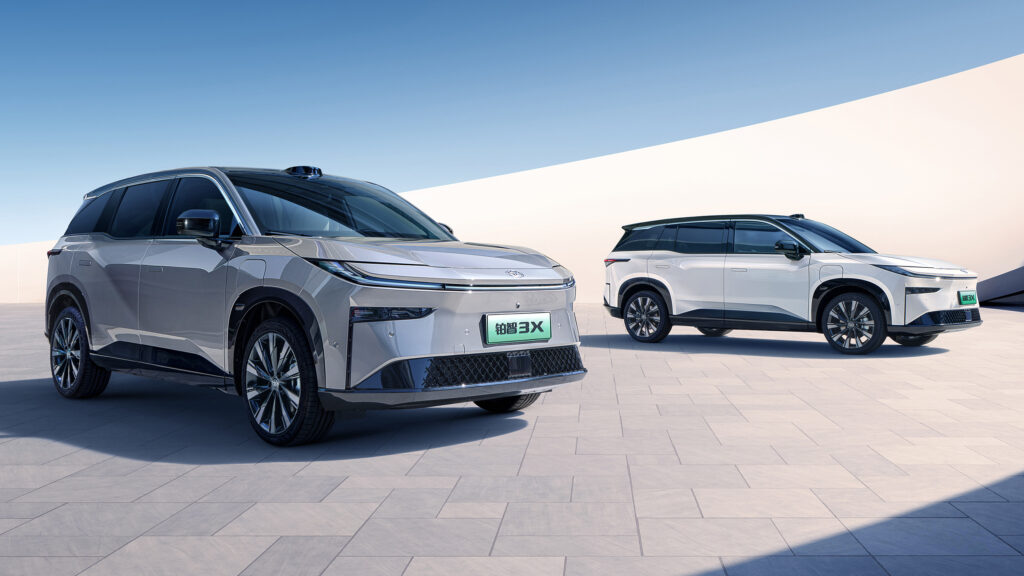
By Joly’s account, the big names already in the mix, BYD, Chery, and Geely, have all expressed interest in selling more cars at reduced tariff rates beyond the current annual quota of 49,000. Despite the strict conditions that must be met for these brands to build their cars locally, Joly says progress has been made, noting “there can be positive conversations leading potentially to decisions in future months.”
Japanese Brands Are Very Worried
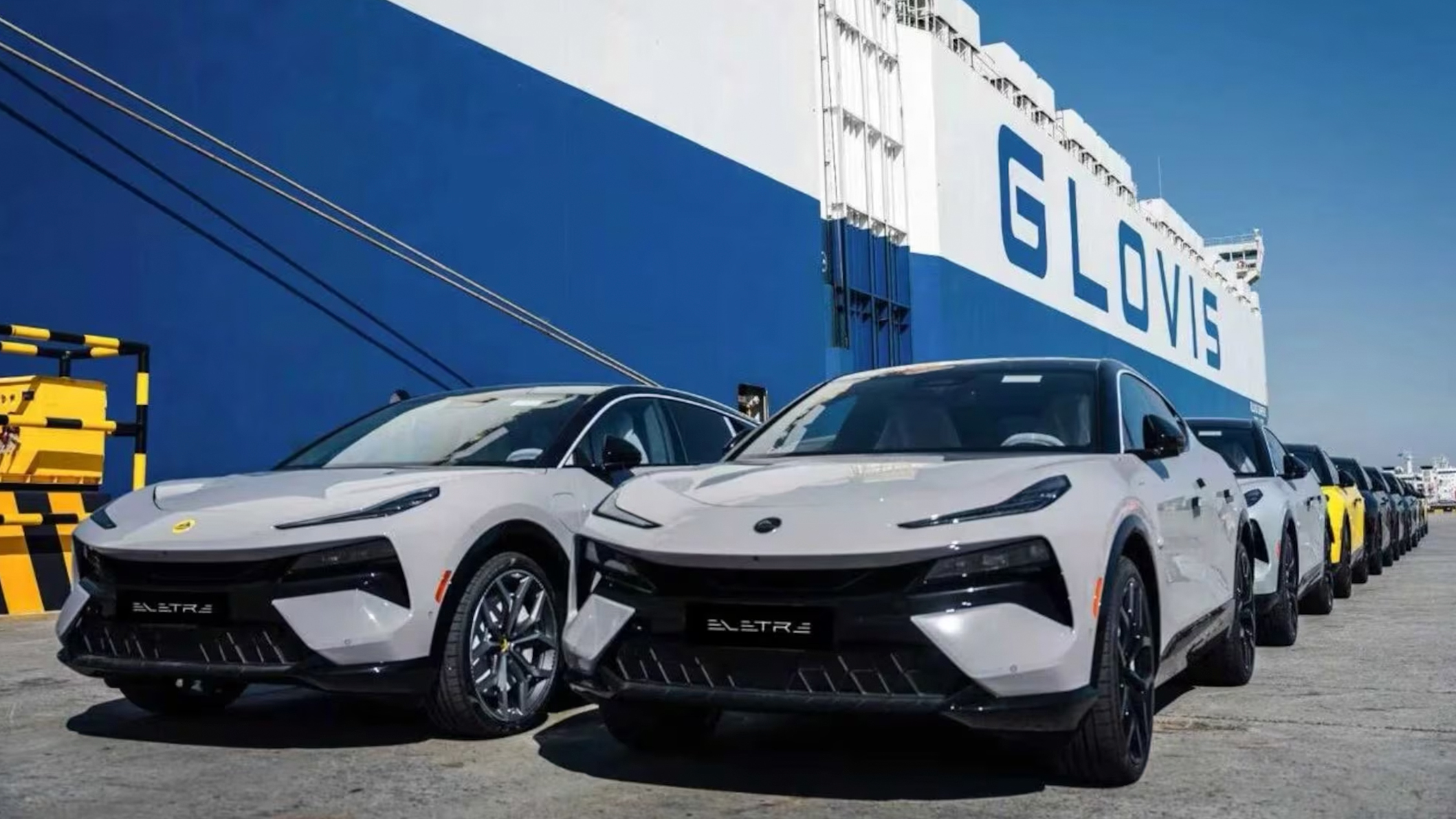
Not everyone is comfortable with the prospect of Chinese brands setting up shop close to home, and some of the loudest unease is coming from Japan. Mitsubishi Canada chief executive Kenichi Kawaji acknowledged “it will be difficult to fight” the Chinese, noting their “EVs are very nice,” adding their “exterior and interior technology is amazing, with a good price.”
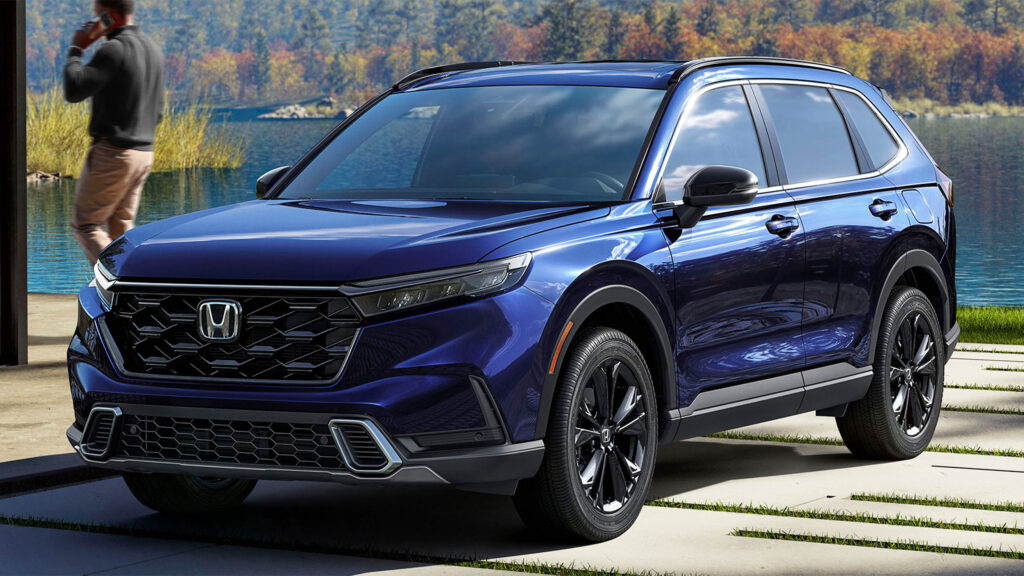
Similarly, Honda Canada president Dave Jamieson recently suggested that policies allowing Chinese EVs into the market “are actively making Canada less competitive,” adding that “Canadian automakers face rising competition from low-cost, state-subsidized, non-market-oriented producers.”
“We’re not putting any businesses in jeopardy,” Joly responded. “I reject that premise. We’re offering the best technology for Canadians while protecting 500,000 workers. We want to make sure we’re increasing our manufacturing footprint in Canada.”