









- Waymo’s new Ojai robotaxi now runs with Gemini AI onboard.
- Gemini lets riders adjust the climate with natural voice commands.
- Built in China, the Ojai gains its Waymo hardware after reaching the US.
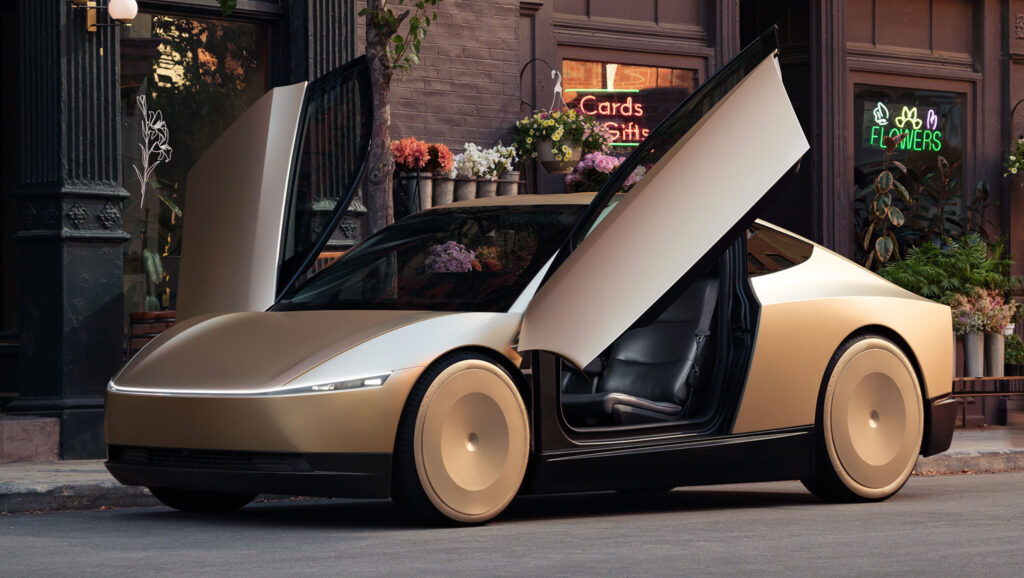
Waymo’s fleet of robotaxis in the United States is getting a big upgrade, although the Jaguar I-Paces you’re probably familiar with will be missing out. Instead, the self-driving company is focusing its updates on the Zeekr-built Ojai, now allowing riders to speak with Google’s Gemini AI assistant.
The Ojai is still a relatively new addition to Waymo’s fleet and, unlike the I-Pace, which the firm has converted into a robotaxi, the Ojai was designed from the outset to autonomously ferry passengers around. Now with Gemini included, riders will be able to effortlessly interact with the vehicle.
Read: Waymo Crashes 68% Less Than Humans, Then You Reach Austin
You can now ask an Ojai to adjust the climate control, not that reaching over and doing it yourself was ever a struggle. The assistant can also reel off facts about local landmarks and even help you pick up a new language, along with just about anything else you might throw at it.
Waymo has also updated how the Ojai’s three in-car screens operate. If a rider is sitting in the rear right of the robotaxi, they will be shown dedicated controls on the closest screen, while the other two screens will show a simplified overview of the trip. In addition to the screen offering climate control adjustments, riders can also use it to change what media is playing.
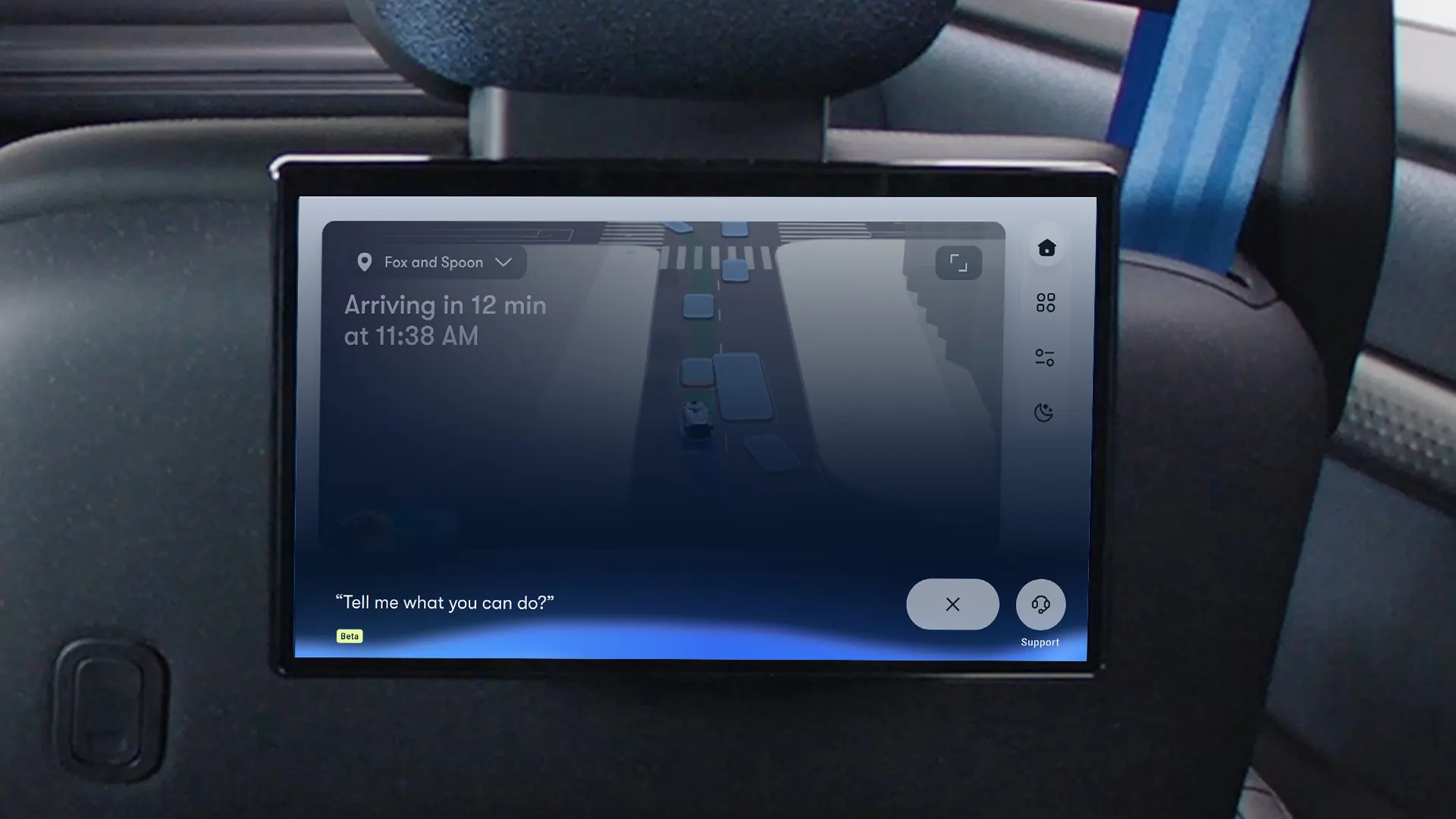
If speaking with a Google-run, AI-powered assistant while being driven around in a Google-owned self-driving taxi sounds a little too much like starring in an eerie episode of Black Mirror for you, Waymo says Gemini remains inactive unless a rider begins to interact with it.
The introduction of Waymo’s new Ojai robotaxi hasn’t been without issue. Earlier this year, one of the robotaxis swerved off the side of a road and crashed into multiple parked vehicles in California. While some were quick to point blame at the vehicle’s autonomous driving systems, it was quickly determined that a person was behind the wheel.