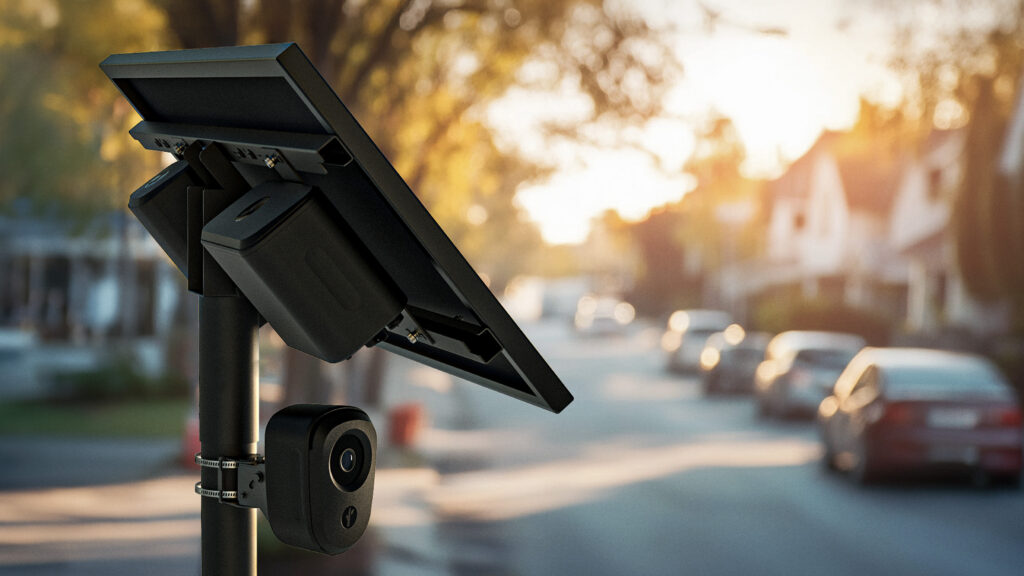



- Roseville found 71 percent of Flock alerts stemmed from license plate misreads.
- Internal emails show Flock engineers worked to fix recurring camera accuracy issues.
- Police still use the system, citing crime-solving benefits despite documented errors.
Automated license plate readers have become one of the hottest flashpoints in modern policing. The arguments usually focus on privacy, surveillance, and whether the cameras should exist at all. But before any of that, there’s a more fundamental question worth asking. How well do they actually work? In one California city, police found their Flock Safety cameras were wrong far more often than they were right.
According to records obtained by Business Insider, police in Roseville, California analyzed 1,427 Flock alerts generated during 2023 and 2024. Their review found that 71 percent stemmed from incorrect license plate reads, with the cameras confusing similar-looking characters, capturing blurry images, or simply missing vehicles altogether. In one case, the same innocent driver’s plate was repeatedly mistaken for that of a stolen vehicle because the software kept reading a “9” as an “8.”
More: Florida Sheriff Pulls County’s Flock Cameras Over One Detective
The records also reveal growing frustration inside the department. Emails show supervisors documenting repeated missed reads and “blatant misreads,” while one Flock product manager admitted he was “writing code as we speak” to improve the system and acknowledged the company was working on tools to automatically detect when vehicles had been missed.
Flock’s Defense
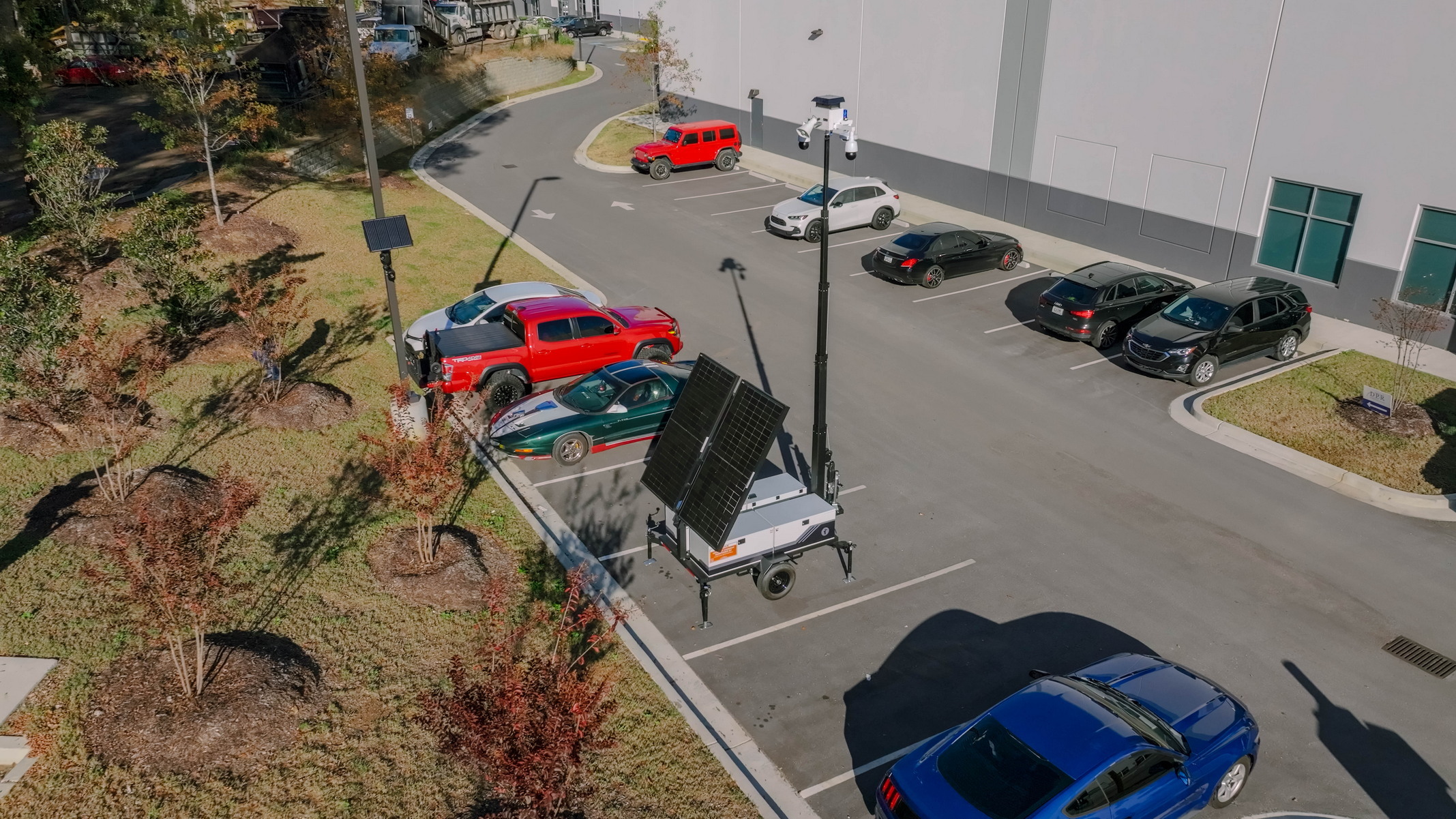
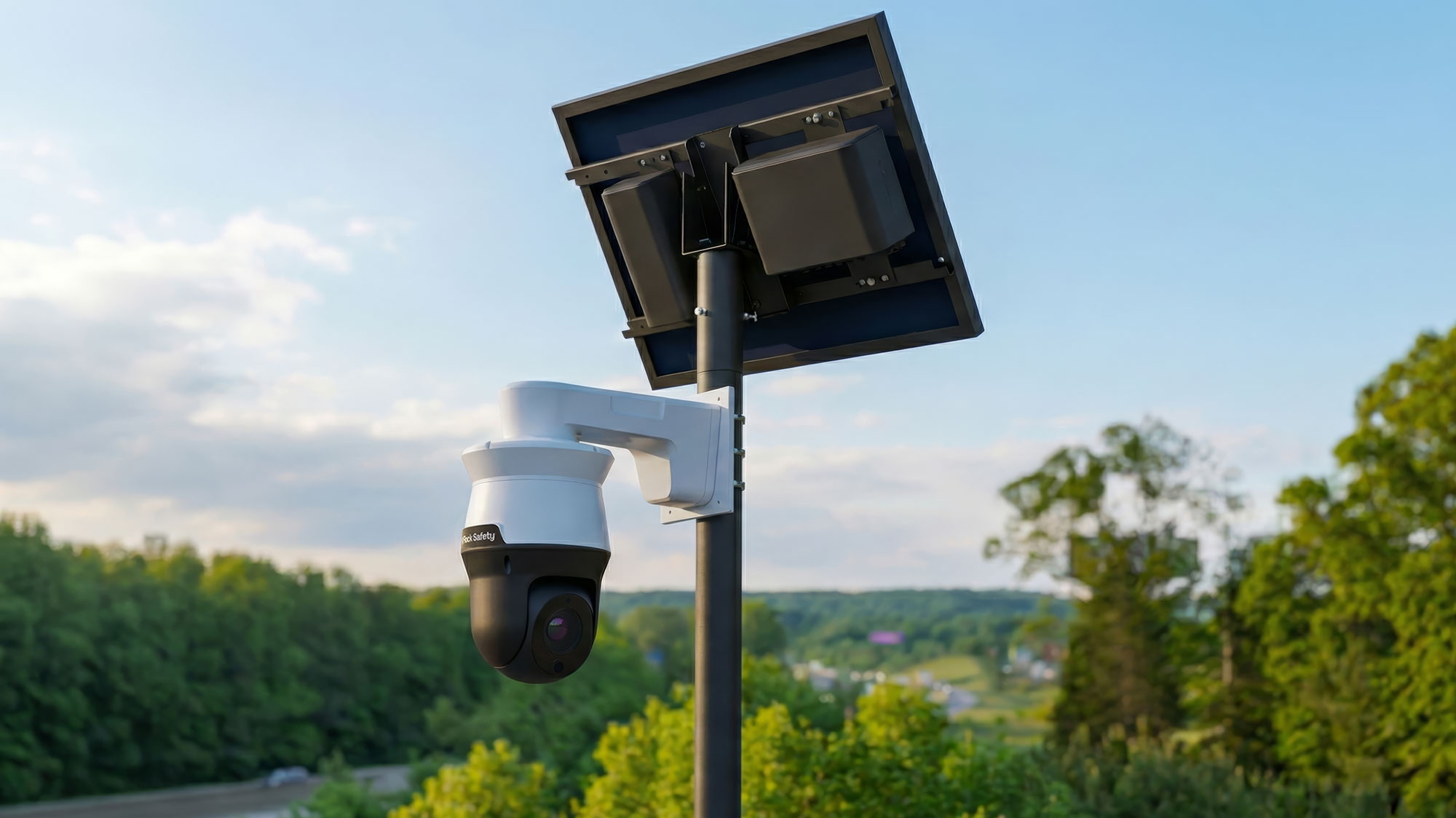
To be fair, Flock doesn’t dispute that Roseville experienced problems, but says the city represents an unusual deployment. According to the company, Roseville requested rear-facing cameras mounted higher and farther from traffic than typically recommended while also using older hardware, creating more challenging conditions than its standard installations. You see, ALPR companies like Flock want as many cameras as they can get on the ground from as many angles as possible.
There’s another important wrinkle here. Despite the high error rate, Roseville says none of the incorrect alerts resulted in a traffic stop or arrest because officers are required to independently verify a plate before taking action. The city also continues using Flock’s system, saying the cameras have helped solve crimes that otherwise might have remained unsolved.
This isn’t evidence that every Flock camera is unreliable, nor does it prove automated license plate readers are inherently flawed. It does, however, highlight the importance of treating AI-generated alerts as investigative leads rather than unquestionable facts. We’ve reported on plenty of cases where officers didn’t catch the errors generated by an ALPR. Thankfully, none have proven fatal, but only time will tell if that record continues.