


- Police reports recorded cellphone use in less than 1 percent of nearly 17,000 crashes studied.
- Telematics data detected phone activity in roughly 7 to 8 percent of crashes.
- The findings also highlight just how much information safe-driving apps can collect.
Accidents happen all across the globe every single day at every single hour. Decades ago, marking the “distracted by device” box wasn’t an option for police because devices didn’t exist. Today, those same devices are all too often the issue, and a new study reveals something even more worrying. Police don’t realize just how often those devices might play a role. But in a potentially sticky manner, your insurance provider might.
A new Insurance Institute for Highway Safety study compared police reports with anonymized data collected through safe-driving apps powered by Cambridge Mobile Telematics (CMT). The difference was enormous.
Read: Used EVs Look Like A Steal, Until You Pay Repairs And Insurance Premiums
Researchers linked nearly 17,000 crashes in four states between 2021 and 2024. Police reports identified cellphone use in less than 1 percent of them. Telematics showed phone activity within 30 seconds of impact in 7 percent of single-vehicle crashes and 8 percent of two-vehicle crashes. That’s at least seven times what police recorded.
A Detailed Breakdown
First, let’s acknowledge what the data does and doesn’t say. This is nearly 17,000 crashes over several years, not every crash nationwide. And considering how much attention distracted driving gets today, perhaps the surprising thing is that the telematics figure is still only 7-8 percent. Then there’s what counts as “phone activity.”
Phone Use Before Crashes: Telematics vs. Police Reports
CMT’s system can distinguish between handheld calls, hands-free calls, and physical manipulation such as tapping or swiping. It can also determine whether a phone’s screen was unlocked, although that could mean anything from running navigation to watching YouTube. More importantly, researchers couldn’t determine whether phone use actually caused any particular crash.
Privacy Vs. Safety
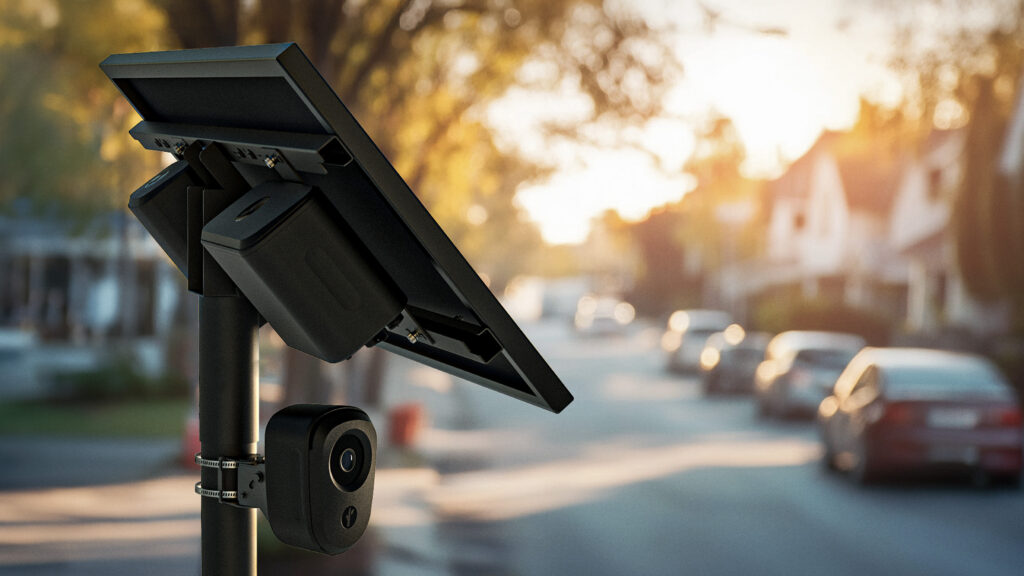
That’s where things get interesting. The drivers voluntarily enrolled in programs using CMT technology, and IIHS analyzed anonymized data. CMT also says it doesn’t sell driving data. Nevertheless, consider what the underlying technology knows. It can record location and movement, detect a crash, and determine whether you were handling your phone, making a call, or simply had the screen unlocked beforehand.
In insurance programs, CMT says the insurer offering the program is generally the controller of that data. Its privacy policy also allows disclosure of personal information when required by law or legal process.
None of that means police can simply request your driving history without the appropriate legal authority. But this study inadvertently demonstrates something beyond the shortcomings of crash reports. Telematics could give researchers a far better picture of distracted driving. It also creates an extraordinarily detailed record of what drivers were doing before something went wrong. Whether the insurance discount is worth creating that record is something drivers might want to consider before tapping “Agree.”