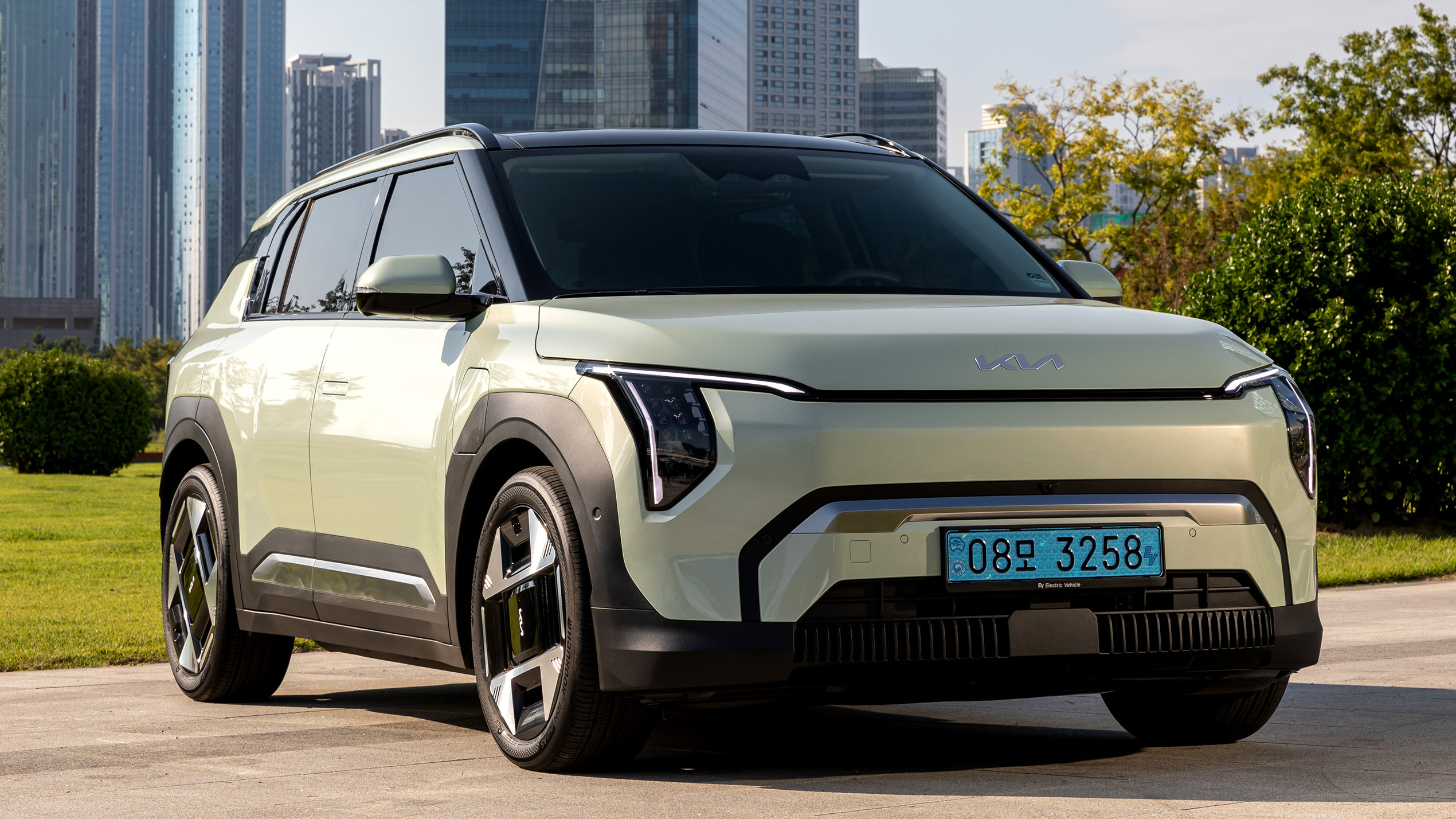


- Canada may allow more imports from Europe, Japan, and Korea by shifting safety regulations.
- Dealers want regulatory independence to access models Americans can’t currently buy or import.
- Aligning with EU standards could sidestep U.S. tariffs and weaken American market control.
Canadians may soon find themselves shelling out more for new vehicles, and they have tariffs from Donald Trump to thank for it. The ripple effects of U.S. trade policies are about to wash over the auto market, and now the Canadian Automotive Dealers Association (CADA) is floating some bold, if unconventional, ideas to soften the blow.
Chief among them? Changing the rules of the game altogether by opening the doors to cars from Europe, Japan, and Korea, vehicles currently locked out by Canada’s alignment with U.S. regulations. That kind of move could not only reshape the Canadian car market but also throw a wrench into Trump’s tariff strategy.
Read: Trump Gets His Win As Honda Shifts Civic Hybrid To The US
At present, Canada’s vehicle safety and environmental standards are tightly synced with those of the United States. This regulatory mirroring makes sense for streamlining trade and manufacturing, but it comes with a big downside: it blocks the import of vehicles built to different standards, even if those cars are otherwise road-ready in markets like the EU or Japan. In practice, if a car isn’t designed for the American market, Canadians probably won’t see it on local lots.
A Limited Menu of Options

“This means that Canadians only get those vehicles and brands that Americans consider affordable and attractive, because Canada’s [sales] volume alone doesn’t justify the cost involved in making the vehicles compliant to North American standards,” said Tim Reuss, president of the CADA.
Reuss suggests this regulatory shake-up would expand Canada’s trade horizons, and he points out that most manufacturers, including many based in the USA, would actually support it.
“This measure would represent an expansion of Canada’s trade horizons, is supported by almost all manufacturers, including American ones, and would not be seen as a retaliation for any U.S. activity. It is something we can do additionally,” he said.
More: Canada Halts Musk’s $43M Tesla EV Rebate Claim After Rapid-Fire Sales, Bans Future Subsidies
Essentially, Canada would open up its ability to import cars that Americans can’t. Rather than pay tariffs on American vehicles, it would leverage its free trade agreements with other nations and could sidestep American cars.
Could the U.S. Be Forced to Follow?
The drastic measure could also force the U.S. to align itself with EU safety standards in the future. As Reuss rightly pointed out, “Do you really believe a vehicle that has been environmentally certified and deemed safe enough to be driven on a German autobahn … is not safe enough to be driven in Canada?” The same would likely be true of American roads, too, then. If Canada does move forward with this idea, it could have many Americans clamoring for cars that they don’t have access to.
Other Ideas on the Table
As pointed out by Auto News, the CADA also had other ideas for reducing the effect of tariffs. They include ending EV mandates, keeping big banks out of the vehicle leasing business, scrapping the tax on luxury vehicles, and paying back dealers who missed out on the iZEV incentives that recently dried up faster than some dealers expected.
What happens next will depend on how the Canadian government chooses to respond. But if even a few of these proposals gain traction, they could take the sting out of U.S. tariffs and give Canadian consumers more choice in the process.