












- Hyundai aims for 1.44 million North American sales by 2030 with heavy localization.
- New US built hybrids, pickups and commercial vehicles are key to the expansion.
- GM partnership brings five co-developed models and big scale for both companies.
Hyundai has recorded three consecutive annual sales records and is currently America’s sixth biggest-selling automaker. But CEO Jose Munoz isn’t satisfied. He’s hungry for growth and has revealed plans for a sweeping overhaul of how Hyundai builds cars and where it builds them, and is targeting a crazy 73 percent jump to 1.44 million North American sales by 2030.
The foundation of this wildly ambitious plan is localization. Hyundai wants 80 percent of its US vehicles built in the country and 80 percent of parts sourced from within America.
Related: Gas Or EV? Hyundai N Embraces Both With Two New Models For America
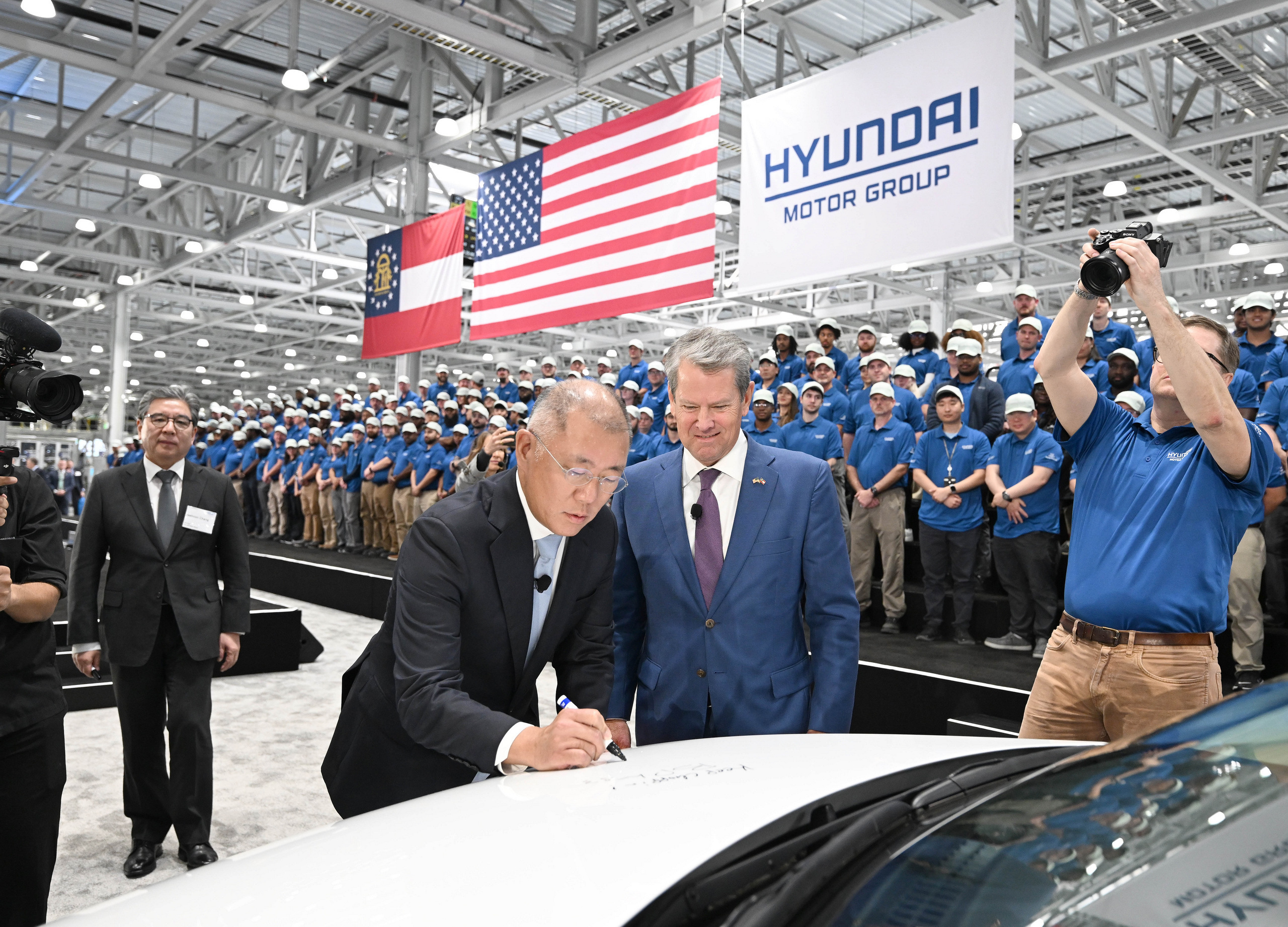
To make that happen the huge Metaplant in Georgia is ramping up fast. A second phase is adding 200,000 units of annual capacity from 2028 and will allow the plant to produce up to 10 hybrid and electric models. Meanwhile Alabama gets an extra dose of production muscle for good measure.
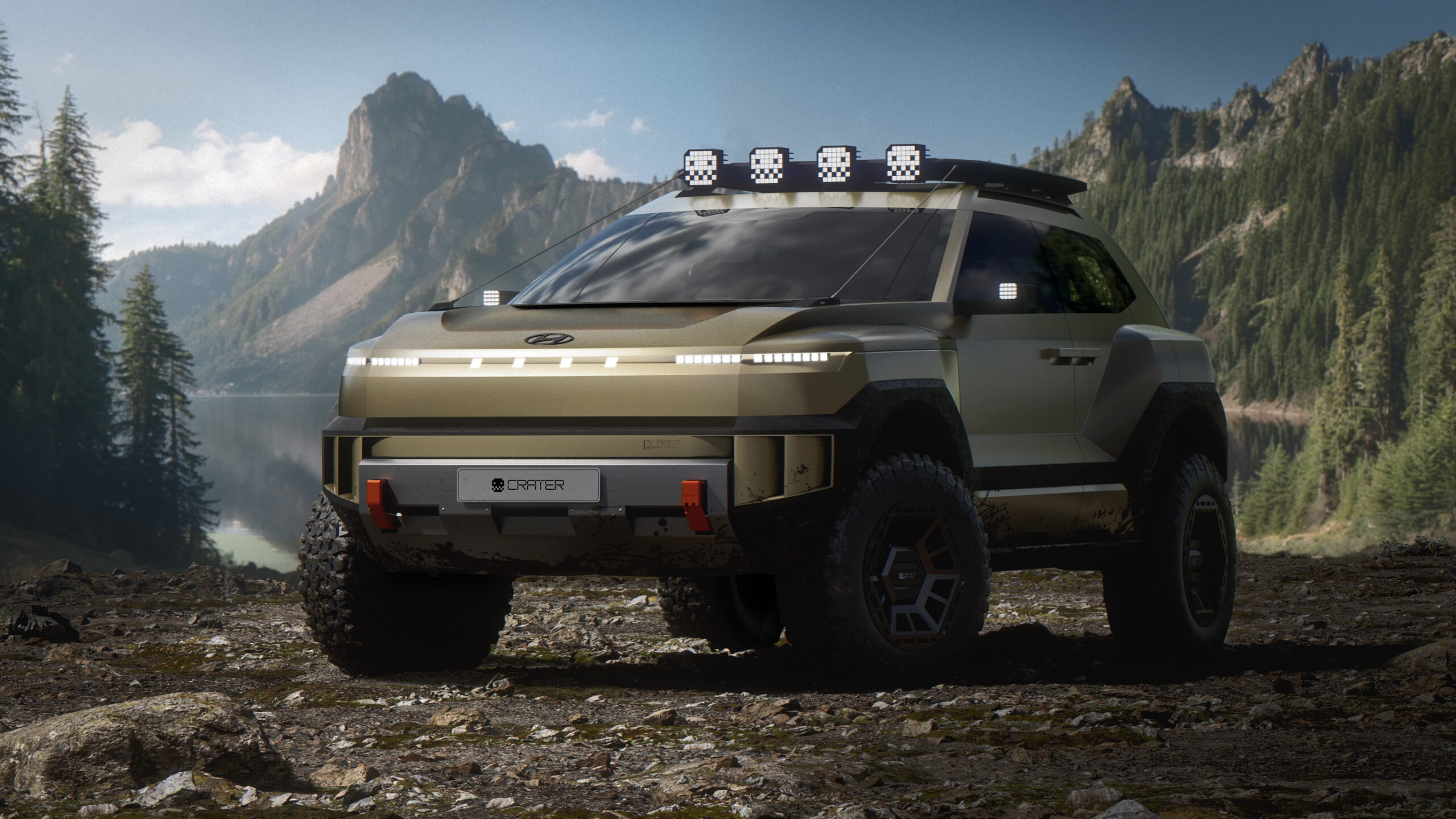
New product is the second pillar, and Hyundai is not holding back, Munoz made clear in an extensive interview with Auto News. A body on frame midsize pickup is coming “before 2030” to take on the Toyota Tacoma and the brand is even mulling an SUV cousin on the same bones that would rival the hugely popular 4Runner.
The company also wants to go big in commercial vehicles from electric vans to medium duty trucks. Genesis gets its own toys too, including upcoming performance models and fresh luxury segments designed to pull the brand deeper into high margin territory.
Better together
The third pillar is partnerships. Hyundai says its link-up with General Motors gives it the chance to scale faster. Five vehicles are in the pipeline, including electric vans for North America and a mix of compact and midsize models for Central and South America.
Hyundai also leans into tech collaborations with Amazon Autos for digital retail, and Waymo for future autonomous ambitions.
Hyundai’s broader electrification strategy is equally aggressive. Expect more than 18 hybrid models by 2030, a new extended range EV platform with over 600 miles of range and next generation batteries offering more density and shorter charge times.
“Our extended range EV platform launches in 2027 with over 600 miles of range,” said Munoz. “Unlike conventional EREVs, we use in-house, high-performance batteries, achieving full EV power with less than half the battery capacity.”
“By 2027, our next-generation batteries deliver 30 percent cost reduction, 15 percent higher energy density and 15 percent shorter charging times — game-changers for EV adoption,” he told Auto News.
Munoz insists the company will not choose between hybrids and EVs and instead will offer everything from fuel cells to plug-ins.
More N models
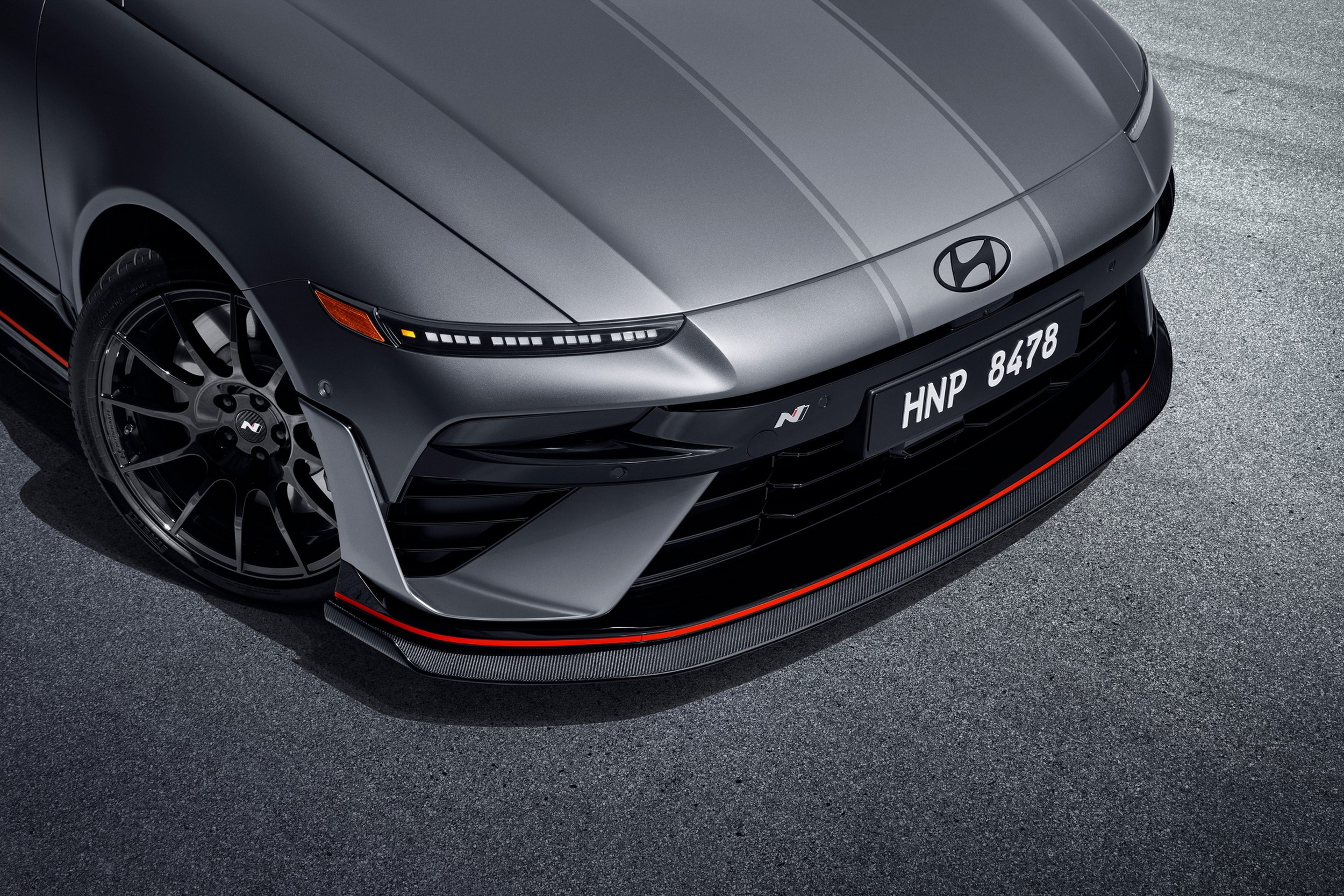
The brand will also offer plenty of choice for enthusiasts looking for a N performance model, at least at the global level. We recently reported that the i30 N could be resurrected with hybrid power.
“By 2030, we’re targeting over 100,000 global N sales with more than seven models,” Munoz told AN. “The business case is compelling, with significant brand premium over base models, plus N parts and accessories that create additional profit through the ownership life cycle. Could N become 200,000 units? Absolutely, if we execute well.”
Genesis Steps Forward

Genesis plays a role here too. It’s part of the long-range plan, and with the right models, Munoz clearly sees it contributing more than just showroom presence.
“Genesis exceeded our boldest expectations: 1 million sales in less than eight years, faster than any luxury competitor in history, with double-digit margins across more than 20 markets,” he said.
“We’re moving deeper into high-margin segments with our One of One bespoke program, flagship vehicles like the concepts we showed, and Genesis Magma. We need to complete powertrain diversification — EREV, hybrid and BEV — across the complete lineup. U.S.-based production starting soon helps us compete more effectively. By 2030, we’re targeting 350,000 annual sales, up from approximately 225,000 this year,” he added.
It is an audacious roadmap, but when you look at how far the brand has come in the past 10 years, who’d bet against it? If Hyundai hits every target the American business will be the powerhouse of the company’s entire operation.
