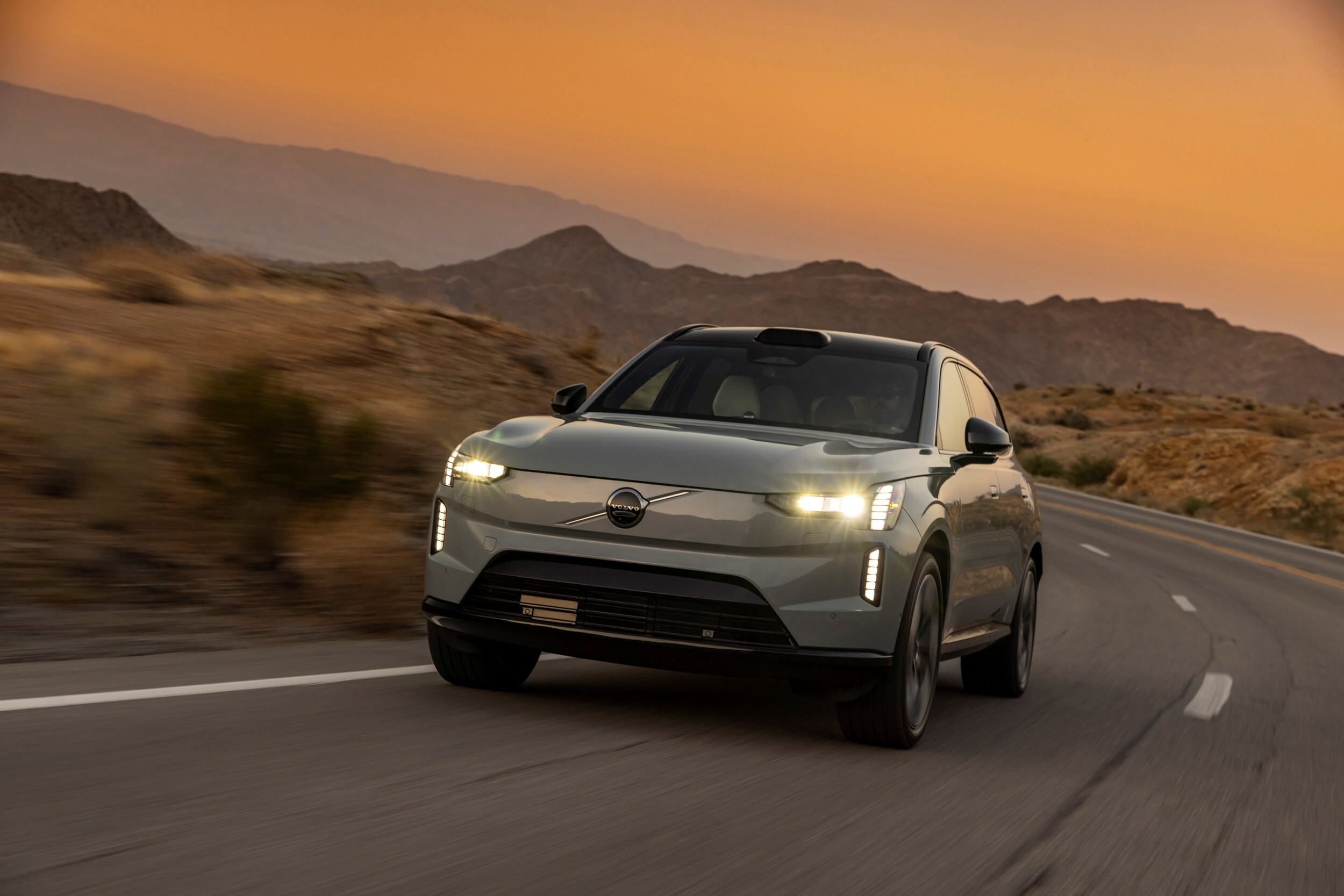
- Luminar filed for Chapter 11 with $500M to $1B in liabilities.
- The company will sell its LiDAR unit during bankruptcy.
- It will keep operating and pay employees through the case.
Less than a month after losing a crucial supply deal with Volvo, Luminar, once considered a frontrunner in the race to commercialize LiDAR technology, has filed for bankruptcy, marking a dramatic shift in fortunes for the high-profile tech firm.
The company’s abrupt downturn follows the departure of founder Austin Russell as CEO just seven months ago, and comes five years after Luminar went public with a valuation north of $3 billion.
Read: Volvos Are Losing Their LiDAR Roof Bump For Good And Luminar Isn’t Happy
Earlier this week, the firm filed for Chapter 11 protection in the Southern District of Texas. Court documents show Luminar’s assets fall between $100 million and $500 million, while its liabilities range from $500 million to $1 billion.
As part of the bankruptcy process, Luminar intends to sell off its LiDAR business. A deal is already in place to offload its Luminar Semiconductor subsidiary for $110 million in cash.
“After a comprehensive review of our alternatives, the board determined that a court-supervised sale process is the best path forward,” Luminar chief executive Paul Ricci said. “As we navigate this process, our top priority is to continue delivering the same quality, reliability and service our customers have come to expect from us.”
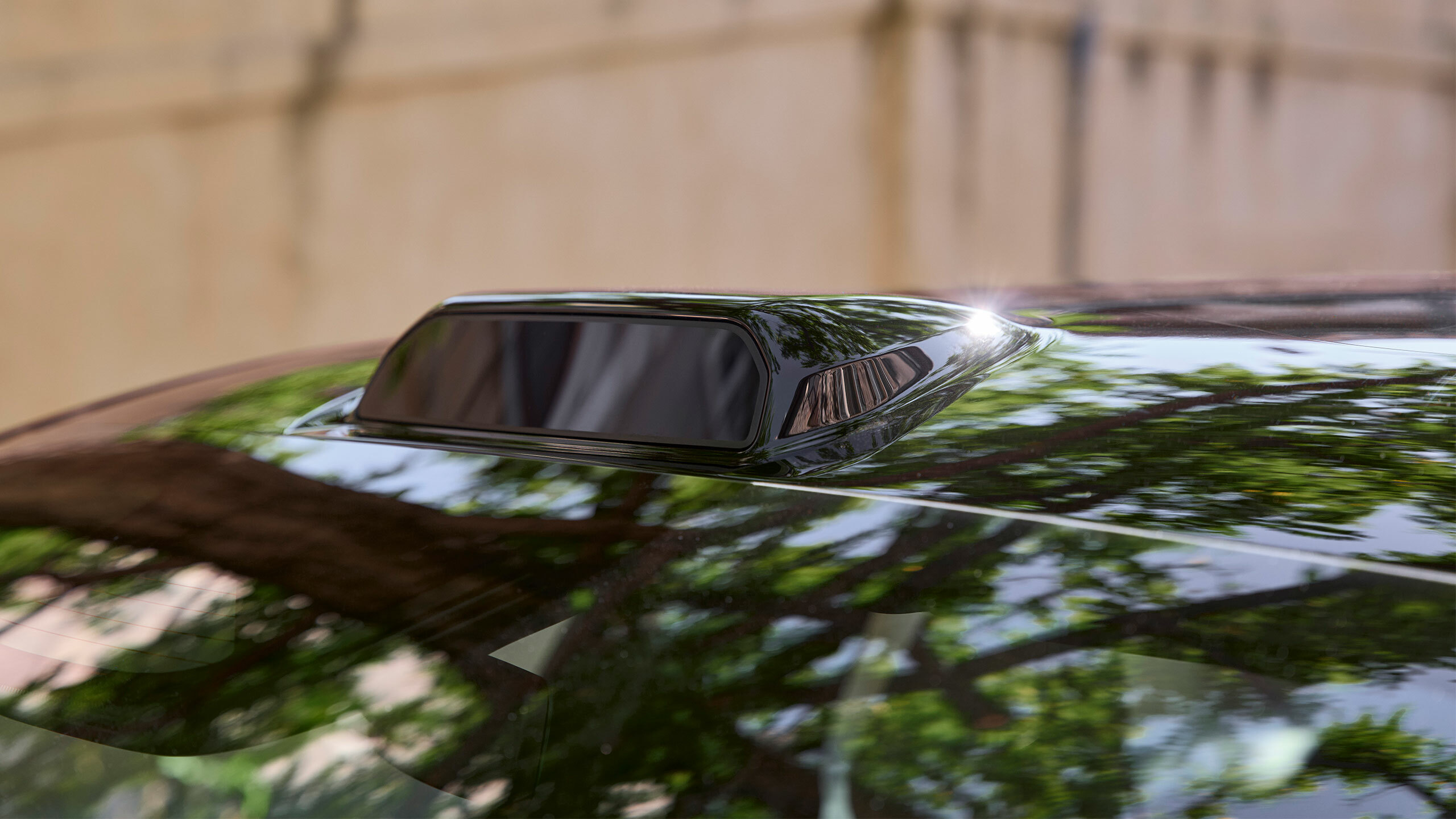
Interestingly, Luminar says it will continue operating its business and continue delivery its LiDAR hardware and software to customers during the bankruptcy. It will also continue to pay employee wages and benefits.
“Over the past six months, we have taken meaningful steps to drive operational discipline, streamline our cost structure, and sharpen our strategic direction, but our legacy debt obligations and the pace of industry adoption have challenged our ability to operate the business in a sustainable way,” added Ricci.
In November, Volvo made the sudden announcement that it the 2026 ES90 and EX90 models would no longer be offered with a LiDAR sensor, attributing the decision to customer demand and “due to limited supply of the lidar hardware.” It also claimed that Luminar had failed to meet its contractual obligations.