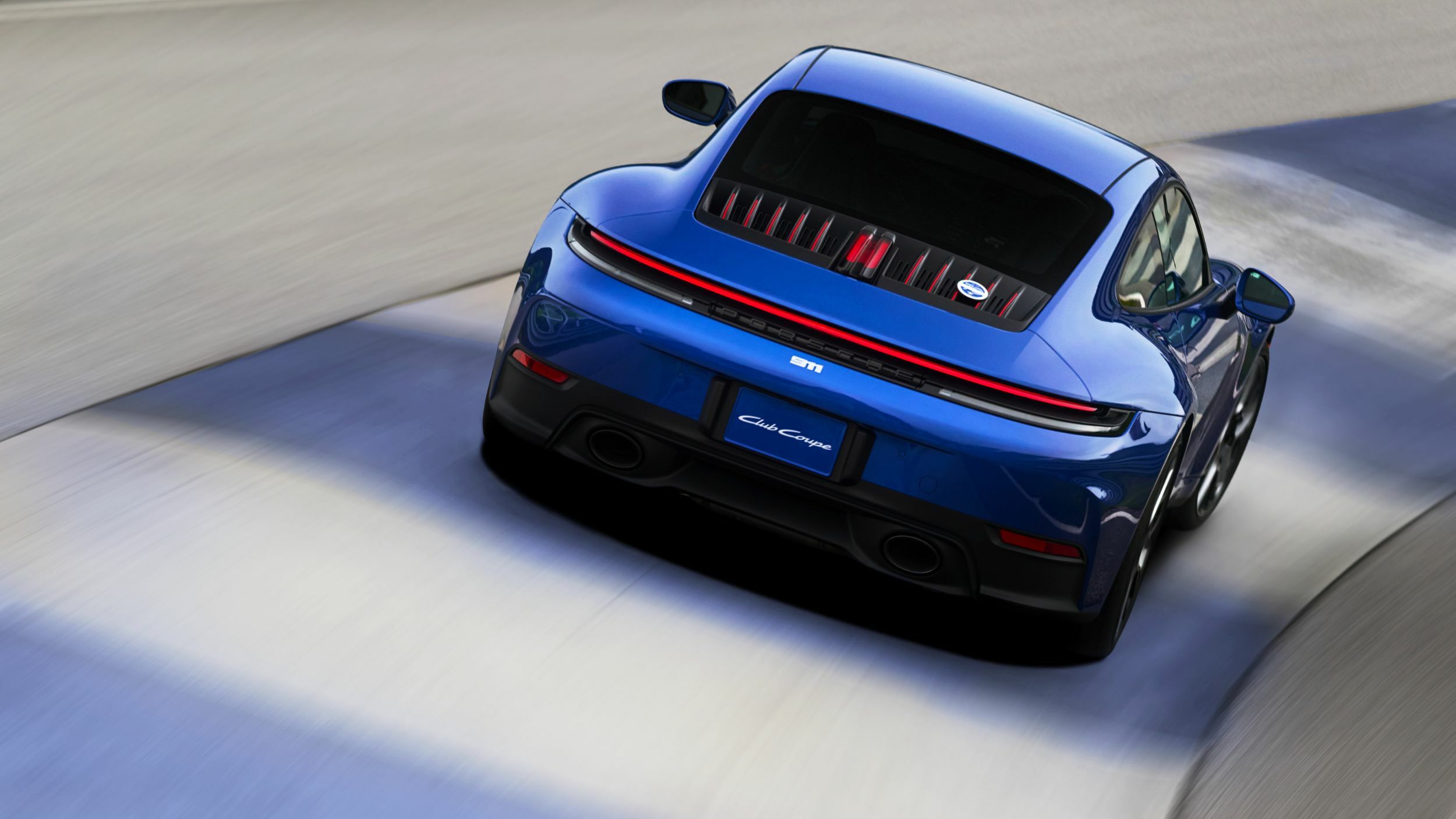









- Porsche confirms a third price hike in less than 12 months.
- Most models will rise between 1.2 and 2.9 percent in January.
- Buyers must take delivery by January 5 to avoid the increase.
Porsche is gearing up for another round of price increases across its lineup starting in January, signaling the third such adjustment within the past few months. The move comes as the automaker continues to absorb the financial impact of trade tariffs originally imposed during the Trump administration, which remain a costly burden.
US dealerships were alerted to the planned price increases on December 10. In a statement, a Porsche spokesperson later confirmed that the move will “affect most, but not all, vehicles and will range from a 1.2 to 2.9 percent rise, depending on the vehicle.”
Read: Porsche Quietly Raises 911 Prices Again And It’s Not Just A Few Bucks
Porsche has not yet shared the updated pricing structure for its 2026 model-year vehicles, leaving some uncertainty around which models will see the largest increases and which might be spared altogether.
What the brand did say is that customers must take delivery of their new vehicle before January 5, 2026, if they want to keep the current pricing. Porsche had already signaled the incoming price revision during its third-quarter earnings call in late October, giving a hint of what was to come.
This isn’t a US-only development either. Price increases are now affecting all 2026 models globally, with adjustments applied across all markets and regions.
The Tariff Cost
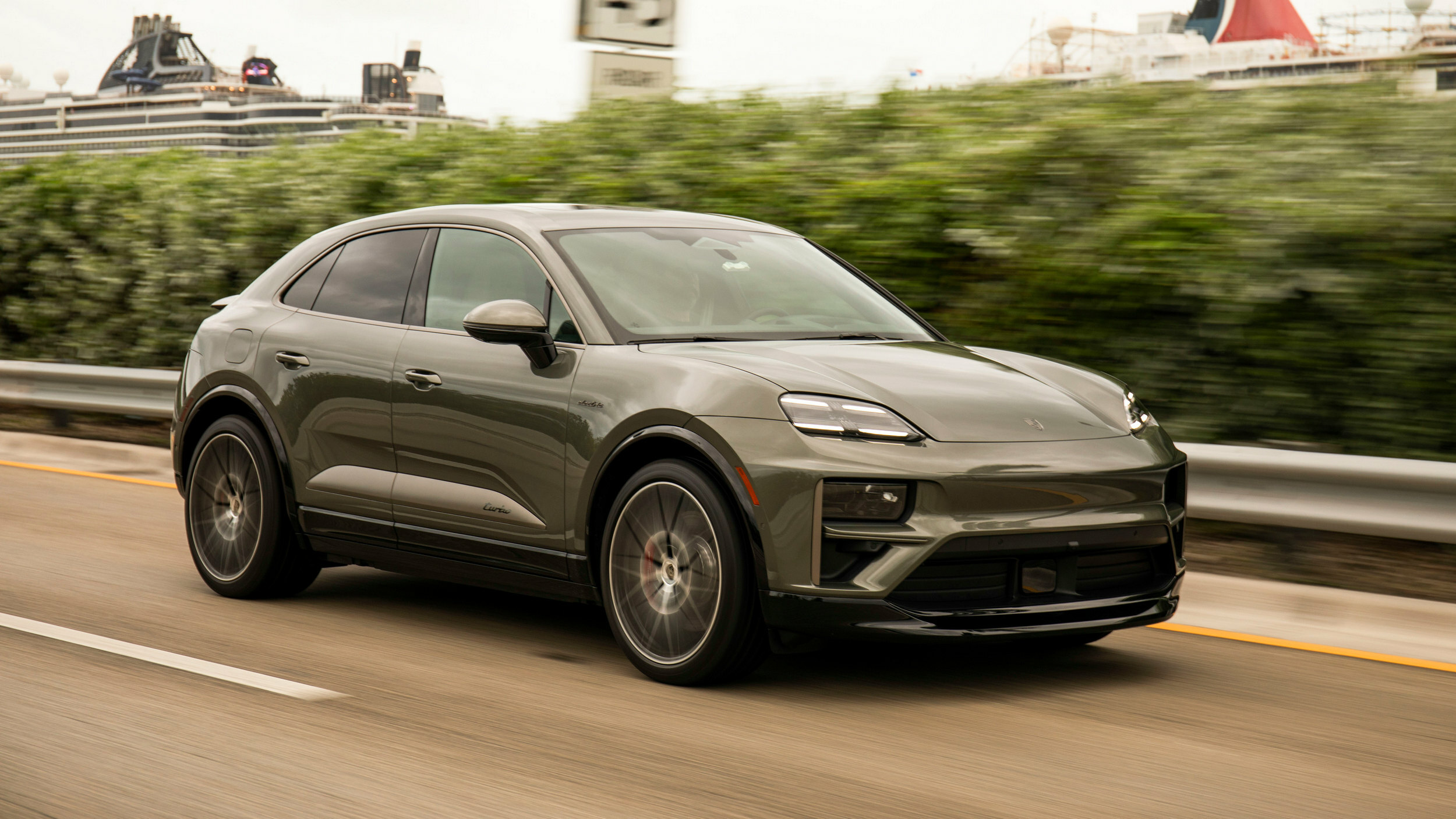
Porsche chief executive Jochen Breckner told Auto News that the continued US tariffs are expected to cost the company $813 million over the course of this year. That figure remains substantial even after the tariff rate on vehicles imported from the European Union was lowered to 15 percent.
Porsche’s position is made more difficult by the fact that, unlike BMW or Mercedes, it doesn’t produce any vehicles in the United States. Without any domestic manufacturing footprint, there’s no buffer against the added cost of import duties.
Testing the Ceiling
The first price hike took place in late March as Porsche shifted into the 2026 model year. A second increase followed in July, attributed at the time to prevailing market conditions. That round saw some models, including the 911 Turbo S, jump by as much as $8,300.
Interestingly, despite all this, customer demand appears to be holding steady. US sales for Porsche are up 5.6 percent year to date, suggesting that premium buyers remain undeterred by the upward trajectory in pricing.